Key Takeaways
- Use pre-emergents in early spring before the soil reaches 55°F to block crabgrass.
- Target broadleaf weeds with selective post-emergents while growth is active.
- Improve long-term weed resistance with fertilizing, aeration, overseeding, and proper mowing.
- Identify weeds early so you can choose the correct herbicide category.
- Combine herbicides with cultural turf improvements for the strongest results.
The Essentials of Keeping Weeds Out of Cumming Lawns
Weeds can take over a lawn faster than most homeowners expect, stealing nutrients, crowding out grass, and making the yard look patchy and tired. In Cumming, where clay-heavy soils and warm, humid summers create ideal conditions for weeds, controlling these invaders requires a blend of well-timed herbicides and smart lawn-care practices. This guide breaks down the most common weeds in North Georgia, the difference between pre-emergent and post-emergent weed control products, best-practice timing, and the cultural steps that help your lawn naturally fight back.
Common Weeds in Cumming Lawns
Many Cumming lawns face the same repeat offenders year after year. Knowing what’s growing—and when it typically shows up helps you choose the right treatment strategy.
Top Weeds to Watch For
- Crabgrass – Low-growing annual that thrives in thin turf; germinates as soil warms.
- Dandelion – Perennial with a deep taproot and bright yellow flowers.
- Nutsedge – Fast-spreading sedge with shiny leaves and triangular stems.
- Clover – Low-growing broadleaf weed common in nitrogen-poor lawns.
- Other broadleaf weeds – Various species that respond best to selective herbicides.
Seasonal Appearance: When Weeds Typically Emerge
Understanding timing prevents wasted applications and maximizes control.
- Crabgrass: Late spring through summer (soil hits 55°F+)
- Dandelion & broadleaf weeds: Early spring and fall
- Nutsedge: Summer during hot, wet periods
- Clover: Spring through fall, especially in low-fertility lawns
These windows help you decide whether to deploy pre-emergents or reach for a post-emergent spray.
How Pre-Emergent and Post-Emergent Herbicides Work
Most homeowners use both types just at different times and for different weeds.
Herbicide Comparison Chart
| Herbicide Category | Target Weeds / Mechanism | Timing / Notes |
| Pre-emergent herbicides | Stops seedling development; effective against crabgrass and other annuals | Apply before soil temps reach ~55°F at 2″ depth; follow reapply intervals on the label |
| Post-emergent selective | Systemic or contact action on broadleaf weeds; generally safe on many turf species | Apply when weeds are actively growing and temperatures are moderate for best uptake |
| Post-emergent non-selective | Fast contact burn of green tissue; used for driveways, sidewalks, or isolated patches | Use only as a spot treatment; protect nearby turf and follow buffer guidance |
Why Timing Matters
- Pre-emergents fail if applied after germination.
- Post-emergents work best when weeds are actively growing.
- Heat, rainfall, and mowing schedules all affect results.
Best Timing for Pre-Emergent Applications in Cumming
Pre-emergents are your first line of defense against crabgrass and other annual grassy weeds.
In Cumming, apply when:
- Soil temperature at 2 inches consistently hits ~55°F
- Forsythia shrubs begin blooming (a classic visual cue)
- Before multiple warm, rainy weeks set in
Lightly water in granular products for activation.
Most Effective Post-Emergent Options for Cumming Lawns
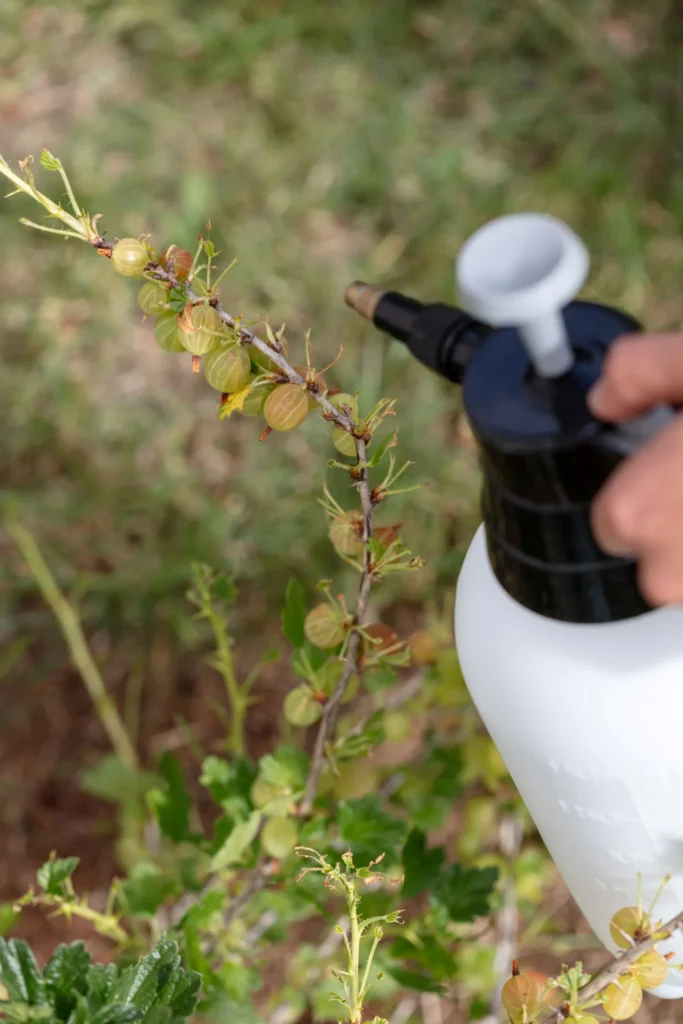
Post-emergents step in when weeds break through or show up in patches.
Most effective categories
- Broadleaf selective herbicides: Dandelion, clover, chickweed
- Grassy post-emergents: Crabgrass escapes
- Sedge killers: Nutsedge
- Non-selective spot sprays: Hardscapes or isolated clusters
When to Apply
- Moderate temperatures
- No rain within 24 hours
- Turf is not drought-stressed
Early spot treatment helps reduce chemical use.
| Weed Pro Lawn Care: Local Lawn & Outdoor Pest Experts Reliable Service Backed by Results You Can See Choose the Right Lawn Care Solution for Your Property: –Complete Lawn Care Programs: Ongoing, customized lawn care plans designed to strengthen turf, improve soil health, and reduce weeds. –Targeted Weed & Pest Control: Focused solutions for persistent lawn weeds, invasive pests, and seasonal pressures such as mosquitoes and surface insects. –Irrigation & Lawn Health Support: Professional support for irrigation efficiency, aeration, overseeding, and soil conditioning to improve water absorption, reduce runoff, and help lawns recover from compaction, disease, or environmental damage. Customer Praise:“I started services here in Lawrenceville, GA with Weedpro 2 years ago and the services provided has been excellent. Jay, provided me with details of the recommended services to get rid of the dallis grass and other weeds. I will continue services with Weedpro and I recommend anyone with weed problems to give Jay a call.” – Nikeita R. Why Homeowners Choose Weed Pro Lawn Care: -Locally owned and operated, serving North Georgia communities -Experienced technicians trained in region-specific lawn and pest challenges -Customized service plans based on property conditions, not one-size-fits-all programs -Environmentally responsible treatments with a focus on long-term lawn health -Clear communication, reliable scheduling, and service you can trust Schedule your Service Today! |
Integrated Turf Practices That Prevent Future Weeds
A thick lawn makes weed control dramatically easier. These practices strengthen turf and crowd out invaders.
Key Practices and Benefits
| Practice | Benefit | When to Apply / Frequency |
| Aeration | Relieves compaction and encourages deeper roots | Late spring or early fall, once per year |
| Overseeding | Restores turf density and fills bare spots | Early fall for cool-season overseed; spring for warm-season transitions |
| Fertilization | Supports thicker growth that crowds out weeds | Follow a soil test; typically several light applications through the season |
Why These Practices Matter
Healthy grass shades weed seedlings and outcompetes them for space, water, and nutrients, resulting in fewer herbicide applications each year.
Safer, More Environmentally Responsible Weed Control Options
For homeowners focused on reduced-risk solutions:
- Spot-treat instead of blanket-spraying.
- Use selective products instead of broad-spectrum chemicals.
- Follow buffer zones near hardscape and water areas.
- Improve soil health to reduce long-term herbicide use.
- Calibrate sprayers for precise application.
These steps support effective control while avoiding unnecessary chemical exposure.
Professional Help: When a Local Expert Makes the Biggest Difference
Cumming’s soil types, steep slopes, rainy summers, and warm-season grasses all affect how herbicides should be timed and applied. Many homeowners prefer professional help because:
- Treatments are precisely timed to local soil temperatures.
- Products are stronger and more targeted than retail options.
- Follow-up inspections catch weed breakthroughs early.
- Integrated plans reduce chemical use over time.
- Professionals understand Georgia weed cycles and turf varieties.
Local technicians also tune treatments to your lawn’s current condition, something DIY programs can rarely match.
Professional Weed Control for Cumming Lawns
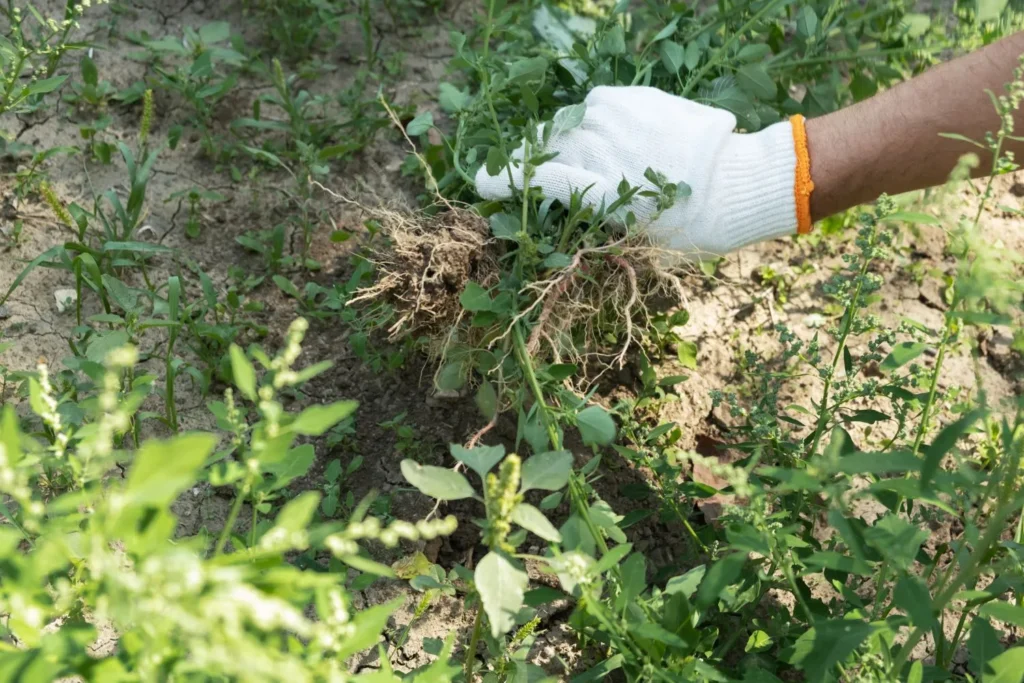
If you’re ready to get ahead of weeds instead of constantly chasing them, now is the perfect time to bring in expert help. Weed Pro Lawn Care offers seasonally timed treatments, targeted herbicide applications, and integrated lawn-health strategies that keep Cumming yards thick, green, and weed-free. Our Weed Eliminator Program is designed specifically for Georgia soils and growing cycles, giving your lawn stronger protection with less guesswork. Contact us today to request a custom quote, schedule a site visit, or ask about building a long-term plan that finally gets your weeds under control. Let our team take the stress out of lawn care so you can enjoy a cleaner, healthier yard year-round.
Frequently Asked Questions
How long does it take to see results after a weed control treatment?
Most homeowners start noticing visible improvement within 7–14 days, especially with selective post-emergent treatments. Persistent weeds or heavy infestations may require several visits across the season, but results become more consistent as turf density improves and pre-emergents build a stronger barrier.
Can weed control treatments harm your grass?
When applied correctly and at the right time, selective herbicides target weeds while leaving healthy turf unharmed. Problems only arise when products are applied at the wrong rate, wrong temperature range, or on stressed grass, which is why many homeowners prefer professional application to avoid mistakes.
Do you still need to fertilize if you’re treating for weeds?
Yes, fertilization is essential for building dense turf that naturally suppresses weed growth. Weed control removes unwanted plants, but fertilization helps your grass fill in thin areas, crowding out future weed seeds. A soil test can help you pick the right nutrient balance.
Affordable vs. Premium Irrigation Repair Cost Comparison for Atlanta Lawns
Next, read Affordable vs. Premium Irrigation Repair Cost Comparison for Atlanta Lawns