Key takeaways
- Drip works best in Stone Mountain-area yards when you design around clay soil, short storms, and uneven sun exposure
- Filters and pressure regulators prevent the most common failures: clogs, leaks, and uneven output
- Zone design matters more than “which emitter you buy” because mixed plant needs create constant schedule problems
- Slow, longer runs are usually safer for clay; shorter, more frequent cycles fit sandier pockets
- A quick monthly walk-through during summer catches most issues before plants start declining
Why Choose Drip Irrigation for Your Lawn in Stone Mountain?
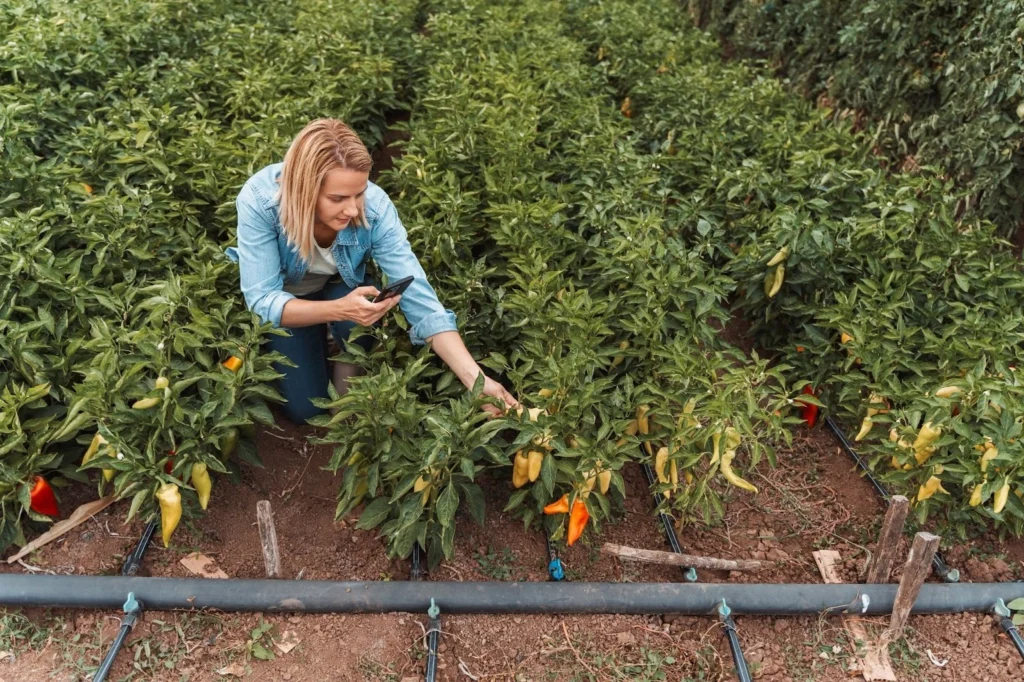
Drip irrigation delivers water at low pressure directly to the root zone, reducing water loss from evaporation, overspray, and runoff. That is a big deal in Stone Mountain, where compacted clay, sloped areas, and fast summer thunderstorms can make sprinkler watering uneven. With drip, you control exactly where water lands and how quickly it soaks in, which helps reduce puddling, keep foliage drier, and support deeper rooting.
If your lawn and landscape deal with dry patches, soggy low spots, or plants that struggle during hot stretches, drip can give you more consistent results with fewer wasted gallons.
What Makes Drip a Strong Fit for Georgia Yards?
Drip tends to shine locally because it solves common Georgia problems practically.
- Water savings that come from putting moisture in the soil instead of the air
- Healthier plants because roots get steady moisture and leaves stay drier
- Better slope performance because low-volume delivery reduces runoff and erosion
- Fewer disease-friendly conditions because you are not spraying the canopy
For many properties, drip also pairs well with mulch and bed plantings, where traditional spray heads often waste water on hardscapes, fences, and driveways.
Planning a Drip System That Works in Stone Mountain
Good drip performance starts before you buy parts. A quick plan keeps you from overloading zones, dealing with pressure issues, or watering the wrong plants at the wrong time.
Start with a simple walk-through and notes:
- Identify what you are watering (beds, shrubs, trees, garden rows, narrow side yards)
- Note sun and shade patterns, especially in the afternoon
- Mark low spots where water sits after storms
- Decide what should be in separate zones based on water need, not distance
A practical zoning rule: if two areas should not run for the same amount of time, they should not be in the same zone.
| Weed Pro Lawn Care: Local Lawn & Outdoor Pest Experts Reliable Service Backed by Results You Can See Choose the Right Lawn Care Solution for Your Property: –Complete Lawn Care Programs: Ongoing, customized lawn care plans designed to strengthen turf, improve soil health, and reduce weeds. –Targeted Weed & Pest Control: Focused solutions for persistent lawn weeds, invasive pests, and seasonal pressures such as mosquitoes and surface insects. –Irrigation & Lawn Health Support: Professional support for irrigation efficiency, aeration, overseeding, and soil conditioning to improve water absorption, reduce runoff, and help lawns recover from compaction, disease, or environmental damage. Customer Praise:“Weed Pro Lawn Care has treated my yard for years and it looks better than ever. Happy with the job Brandon and the rest of the team has done with my lawn, shrubs, fungicide and aeration.” – Chris N. Why Homeowners Choose Weed Pro Lawn Care: -Locally owned and operated, serving North Georgia communities -Experienced technicians trained in region-specific lawn and pest challenges -Customized service plans based on property conditions, not one-size-fits-all programs -Environmentally responsible treatments with a focus on long-term lawn health -Clear communication, reliable scheduling, and service you can trust Schedule your Service Today! |
Choosing Emitters for Clay, Loam, and Sandy Pockets
Soil type controls how water spreads after it leaves the emitter. In clay-heavy areas near Stone Mountain, water moves slowly downward and tends to spread sideways. That usually means slower flow and longer runtimes are safer. In sandier or very loose soils, water moves down quickly, so plants may need shorter, more frequent cycles.
General emitter guidance that works well for local conditions:
- Clay soil: lower-flow emitters, longer runtimes, avoid blasting water too fast
- Loam: moderate-flow emitters or inline drip tubing, balanced runtimes
- Sandy soil: closer spacing or slightly higher flow, shorter cycles to reduce leaching
If you see puddling or water running across the surface, the flow rate is too high for that soil, or the runtime is too long without pulsing.
Components You Should Not Skip
Clogs and pressure fluctuations are the main causes of drip issues in Georgia. The right basic hardware prevents both.
Key components:
- Filter to keep sediment and debris from clogging emitters
- Pressure regulator to keep output stable and protect tubing and fittings
- Backflow prevention is installed properly to protect the water supply
- Quality tubing and fittings rated for sun exposure and irrigation use
- Flush points or end caps so you can clear debris from lines
If you only upgrade one thing, upgrade filtration. It prevents a long list of problems that appear to be “bad emitters” but are really just dirty water or trapped sediment.
Step-by-Step Installation Workflow That Avoids Rework
A clean install is mostly about doing things in the right order and testing before you cover anything with mulch.
A reliable install flow:
- Map zones and measure your water supply so you do not overload a line
- Connect at the source with shutoff, backflow prevention, filter, then pressure regulation
- Run your mainline in a simple route with minimal fittings and gentle bends
- Stake laterals so they do not move, kink, or get damaged by foot traffic
- Flush lines before installing emitters, so debris does not clog them immediately
- Install emitters, then run the zone and check the output at the far end
- Fix leaks and weak spots before burying or mulching
If the far end is weak during testing, do not “solve it” by adding runtime. Fix the pressure or zone design first.
Seasonal Maintenance That Keeps Drip Efficient in Georgia
Drip irrigation systems are low-maintenance, not no-maintenance. A basic routine prevents the common mid-summer failure where everything looks fine until plants suddenly start stressing.
Spring start-up
- Clean filters
- Flush lines
- Run every zone and check for even output
Summer checks
- Monthly walk-through while zones are running
- Look for leaks, clogged emitters, and crushed tubing from yard work
- Adjust runtimes based on heat and rainfall patterns
Fall and winter prep
- Reduce watering frequency as demand drops
- Inspect and repair damage before it becomes next spring’s leak
- Protect exposed components if freezing weather is a concern
Design and Maintain a Drip System That Works With Local Conditions

Stone Mountain landscapes present unique challenges, from compacted clay soils to slopes that increase runoff risk. Drip irrigation systems perform best when designed with local factors in mind, including proper zoning, emitter selection, and run times. Weed Pro Lawn Care helps homeowners plan, install, and maintain drip systems that match property conditions and plant needs, improving water efficiency and long-term reliability.
Contact us today to schedule an on-site consultation and ensure your drip system is working as efficiently as possible.
FAQ
Is drip irrigation effective in clay soil?
Yes, drip irrigation works well in clay soil when applied at a slow rate over longer run times. This allows water to soak in rather than run off the surface. Proper emitter selection and scheduling are key to success in heavier soils.
How often should drip irrigation zones run?
Most drip zones perform best with deep, infrequent watering rather than short daily cycles. The exact schedule depends on plant type, soil conditions, and seasonal weather. Adjustments throughout the year help maintain consistent moisture without overwatering.
Can existing irrigation systems be converted to drip irrigation?
Many traditional sprinkler systems can be partially converted to drip, especially in garden beds and around trees. Turf areas usually remain on spray or rotor systems. A professional evaluation helps determine what conversions make sense for your property.
Learn About Weed Control
Next, read Weed Control Cumming: Effective Herbicide Techniques