Key Takeaways
- Drip irrigation delivers water directly to plant roots, reducing runoff and evaporation
- Proper design depends on emitter choice, pressure control, filtration, and zoning
- Georgia soils benefit from slower, deeper watering rather than high-volume spray systems
- Planning flow rate and zones prevents uneven watering and system failure
- Regular maintenance is essential to prevent clogs and protect long-term efficiency
- Professional design reviews can help avoid costly layout and performance mistakes
What Is Drip Irrigation and Why Is It Water-Smart?
Drip irrigation is a low-volume watering method that slowly and precisely delivers water to the root zone through emitters and tubing. Unlike traditional sprinklers that spray large areas, drip systems reduce water loss caused by evaporation, wind drift, and runoff.
This targeted delivery makes drip irrigation especially effective for garden beds, shrubs, trees, and landscaped areas where precise moisture control improves plant health while conserving water. In Georgia’s warm climate and compacted soils, drip irrigation helps maintain consistent soil moisture without oversaturating the surface.
What Are the Key Components of an Effective Drip Irrigation System?
A drip irrigation system relies on several core components working together to deliver a consistent water flow. Choosing quality parts and installing them correctly is critical for long-term performance.
The most important components include:
- Emitters that control how much water reaches each plant
- Tubing that carries water through the system with minimal pressure loss
- Filters that prevent debris from clogging emitters
- Pressure regulators that keep the water flow within the proper range
- Timers or controllers that automate schedules and reduce waste
- Backflow protection to keep irrigation water from contaminating the household supply
Each part protects the system from uneven watering, premature wear, and maintenance issues.
How Do Emitters and Tubing Affect Water Distribution?
Emitters determine how much water is released at each point, while tubing size and length influence pressure and flow consistency. Low-flow emitters are best for trees and shrubs that benefit from deep, slow watering. Higher-flow emitters work better for dense plantings with greater water demand.
Pressure-compensating emitters help maintain even flow across long runs or uneven terrain. Tubing diameter matters because narrow lines limit total flow, while oversized lines increase cost without benefit. Matching emitter type and tubing layout prevents dry spots and reduces the need for frequent adjustments.
| Weed Pro Lawn Care: Local Lawn & Outdoor Pest Experts Reliable Service Backed by Results You Can See Choose the Right Lawn Care Solution for Your Property: –Complete Lawn Care Programs: Ongoing, customized lawn care plans designed to strengthen turf, improve soil health, and reduce weeds. –Targeted Weed & Pest Control: Focused solutions for persistent lawn weeds, invasive pests, and seasonal pressures such as mosquitoes and surface insects. –Irrigation & Lawn Health Support: Professional support for irrigation efficiency, aeration, overseeding, and soil conditioning to improve water absorption, reduce runoff, and help lawns recover from compaction, disease, or environmental damage. Customer Praise:“I’ve used WeedPro for many years. Great service. Jay and the team handles all the seasonal treatments, I don’t think about it. To top it off WeedPro costs less than doing it myself. My yard looks great, I highly recommend Jay and WeedPro to care for your lawns needs.” – Scott H. Why Homeowners Choose Weed Pro Lawn Care: -Locally owned and operated, serving North Georgia communities -Experienced technicians trained in region-specific lawn and pest challenges -Customized service plans based on property conditions, not one-size-fits-all programs -Environmentally responsible treatments with a focus on long-term lawn health -Clear communication, reliable scheduling, and service you can trust Schedule your Service Today! |
Why Are Filtration and Pressure Regulation So Important?
Filtration protects emitters from clogging caused by sediment, organic matter, or mineral buildup. Even small debris can reduce flow over time, leading to uneven watering that is hard to detect until plants show stress.
Pressure regulators keep water pressure within the range that drip components are designed for. Too much pressure can damage fittings or cause emitters to over-deliver water, while low pressure results in weak or uneven output. Together, filtration and regulation stabilize the system and reduce long-term maintenance.
How Do You Plan a Drip Irrigation Layout?
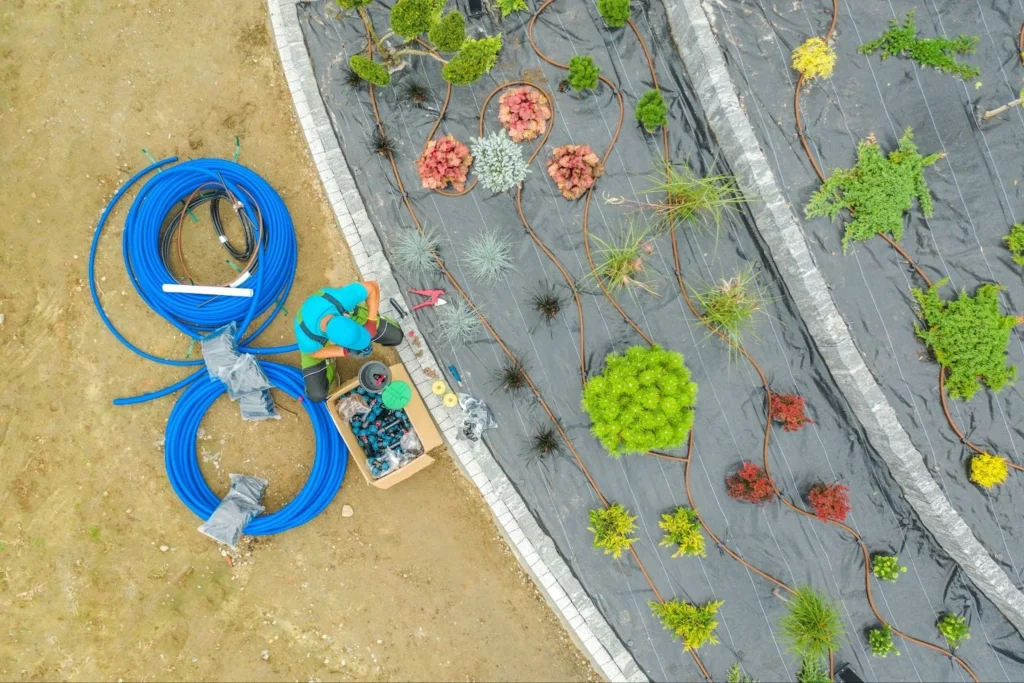
Good planning starts with understanding your water supply and grouping plants with similar needs. Drip systems perform best when zones are designed around plant type, soil conditions, and sun exposure rather than convenience.
Key planning steps:
- Sketching the landscape and identifying planting areas
- Grouping plants with similar water requirements into the same zones
- Measuring water flow and pressure at the source
- Ensuring total emitter demand in each zone stays available flow below
- Keeping tubing runs short enough to maintain even pressure
This approach helps avoid overloaded zones and makes scheduling more predictable.
How Do Soil Type and Climate Affect Drip Irrigation Design?
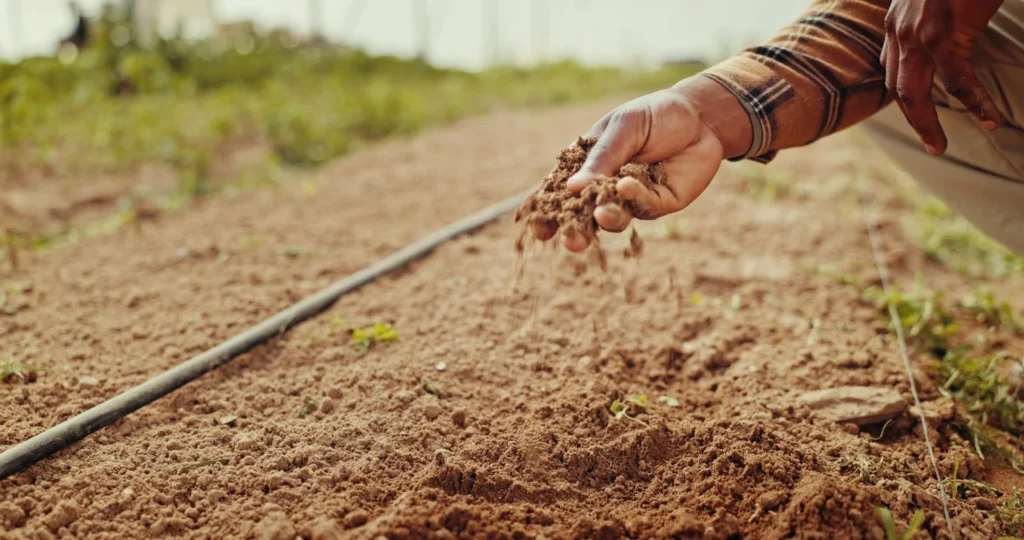
Georgia soils often contain heavy clay that absorbs water slowly. Applying water too quickly can lead to runoff rather than deep infiltration. Drip irrigation works well in these conditions when emitters are spaced appropriately, and runtimes are longer but less frequent.
Clay soils typically benefit from:
- Lower emitter flow rates
- Wider spacing to allow lateral water movement
- Pulsed or split irrigation cycles that prevent surface pooling
Designing with soil texture in mind improves root growth and reduces water waste.
What Are the Best Practices for Installing a Drip Irrigation System?
Installation quality directly affects system efficiency and lifespan. Careful placement and testing prevent future leaks and uneven coverage.
Recommended installation practices:
- Installing backflow protection and pressure regulation at the water source
- Securing tubing to prevent movement and kinks
- Placing emitters near root zones rather than directly at stems
- Testing each zone before covering lines with mulch or soil
- Adjusting emitter placement after observing initial watering patterns
Taking time during installation saves significant troubleshooting later.
How Do You Prevent Leaks and Uneven Watering?
Leak prevention starts with proper fittings and thorough testing. After pressurizing the system, walk the site and look for drips, weak flow, or pooling. Fixing minor issues early prevents water loss and plant stress.
Consistent output across all emitters indicates correct pressure, clean filters, and balanced zones. Documenting zone layouts and runtimes also simplifies future maintenance and seasonal adjustments.
How Do You Maintain a Drip Irrigation System Over Time?
Drip systems require routine, but manageable, maintenance to remain effective. Most problems develop gradually, which makes regular checks important.
Basic maintenance tasks:
- Flushing lines periodically to remove sediment
- Cleaning or replacing filters during peak use
- Inspecting emitters for clogs or damage
- Checking tubing for UV or animal damage
- Reviewing controller schedules as seasons change
Seasonal maintenance is essential in North Georgia, where temperature swings and occasional freezes can stress exposed components.
Design a System That Saves Water and Supports Healthy Plants
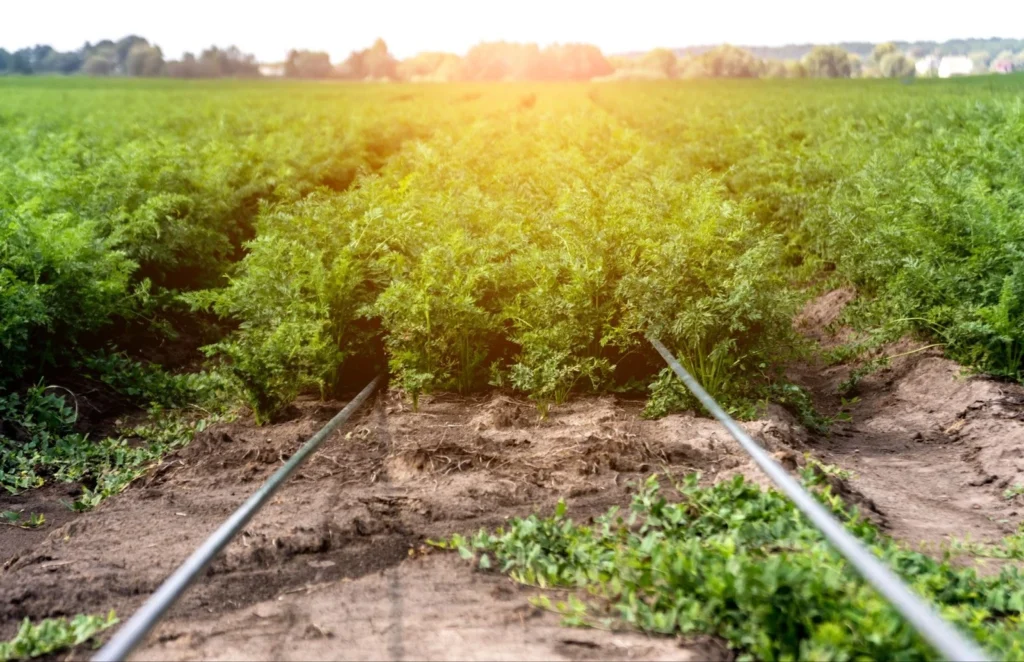
Drip irrigation can significantly reduce water waste when properly designed and installed. Factors like pressure, filtration, and layout determine long-term performance. Weed Pro Lawn Care offers professional drip irrigation design, installation, and maintenance tailored to Georgia landscapes.
Contact us today to request an assessment or irrigation quote.
FAQ
Is drip irrigation better than sprinklers?
Drip irrigation is more efficient for beds, shrubs, and trees. Sprinklers are often better for turf areas. Many landscapes benefit from using both systems together.
Do drip systems clog easily?
Clogging is usually caused by poor filtration or a lack of maintenance. With proper setup and routine care, drip systems are reliable. Regular inspections help prevent issues.
Can drip irrigation be automated?
Yes, drip systems work well with timers and smart controllers. Automation improves consistency and water efficiency. Proper programming is essential for the best results.