Key Takeaways
- Turf density depends heavily on consistent sunlight exposure.
- Seasonal changes in light alter photosynthetic output and grass thickness.
- Gradual expansion of the tree canopy can cause turf thinning.
- Shade patterns shift throughout the year, even if trees don’t move.
- Managing light awareness is critical in Atlanta’s tree-heavy neighborhoods.
Turf Density Isn’t Static, It Responds to Light
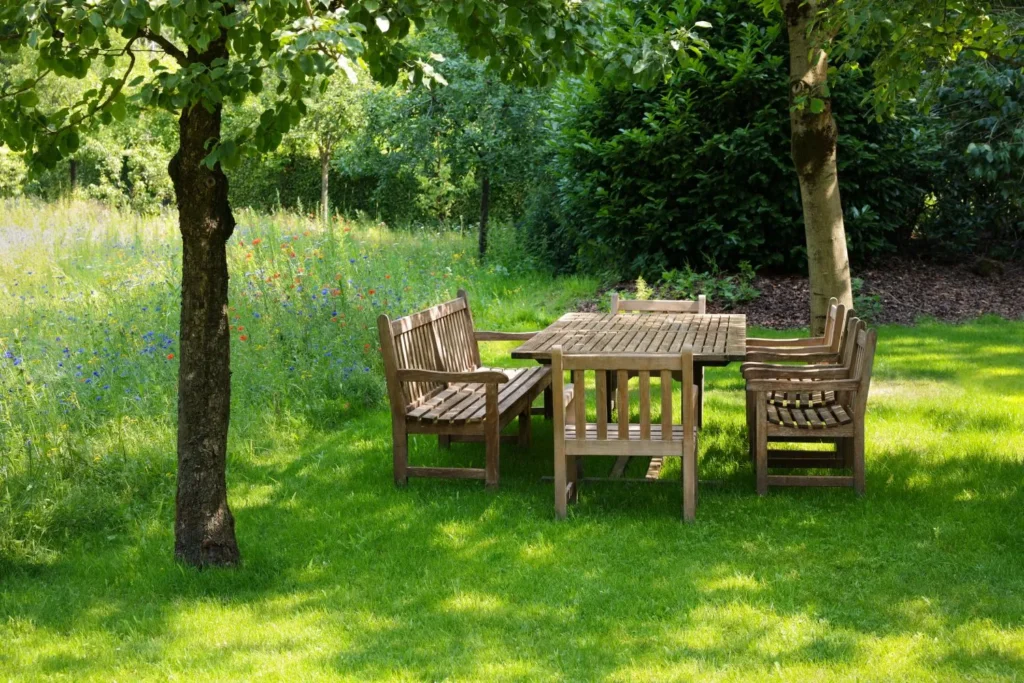
In tree-lined Atlanta neighborhoods, lawns don’t just grow. They adjust.
Turf density, or how tightly packed your grass appears, changes throughout the year. And often, the biggest driver isn’t fertilizer, irrigation, or mowing. It’s light. More specifically, it’s seasonal light.
At Weed Pro, we regularly see homeowners confused when a lawn looks full in May but thinner by late summer, even though care routines haven’t changed. The missing piece is often shifting shade patterns caused by expanding tree canopy and subtle seasonal changes in sun angle. Light isn’t constant. And neither is turf.
How Seasonal Light Changes in Atlanta
Atlanta’s latitude creates noticeable shifts in the angle of sunlight between spring, summer, and fall. Even if your trees stay the same size, the sun’s position changes:
- In spring, sunlight sits lower in the sky.
- In summer, it moves higher and more directly.
- In the fall, angles soften and daylight hours shrink.
That shift affects how long your lawn receives direct sunlight exposure, especially in yards surrounded by mature oaks and maples.
The result? Changing shadow lines. And those shadow lines directly influence Turf Density.
Why Tree Canopy Growth Matters More Than You Think
Now let’s talk about growth overhead. A mature tree canopy doesn’t stay static year after year. Branches expand. Leaves grow denser. Even minor increases in canopy cover can reduce the amount of available light reaching the turf below. Here’s what that does to grass:
- Lowers the overall photosynthetic rate
- Reduces carbohydrate production
- Slows vertical and lateral expansion
- Encourages turf thinning
Grass requires light to produce energy. When leaf blades don’t receive enough sunlight, they can’t sustain maximum density. And the effect builds slowly over time.
| Weed Pro Lawn Care: Local Lawn & Outdoor Pest Experts Reliable Service Backed by Results You Can See Choose the Right Lawn Care Solution for Your Property: –Complete Lawn Care Programs: Ongoing, customized lawn care plans designed to strengthen turf, improve soil health, and reduce weeds. –Targeted Weed & Pest Control: Focused solutions for persistent lawn weeds, invasive pests, and seasonal pressures such as mosquitoes and surface insects. –Irrigation & Lawn Health Support: Professional support for irrigation efficiency, aeration, overseeding, and soil conditioning to improve water absorption, reduce runoff, and help lawns recover from compaction, disease, or environmental damage. Customer Praise:“We have a dog that loves her bones. Over the past few days we gave our dog two bones and promptly forgot to pick them up before the lawn was treated. Jimmy saw the bones and put them up on the deck so they would not be contaminated. It is that level of service that has become very rare these days. Thank you Jimmy for your attention to the health of our dog.” – Scott W. Why Homeowners Choose Weed Pro Lawn Care: -Locally owned and operated, serving North Georgia communities -Experienced technicians trained in region-specific lawn and pest challenges -Customized service plans based on property conditions, not one-size-fits-all programs -Environmentally responsible treatments with a focus on long-term lawn health Clear communication, reliable scheduling, and service you can trust Schedule your Service Today! |
Turf Density and Photosynthetic Rate: The Direct Link
The connection between turf density and light is biological. Grass captures sunlight through leaf blades. That light fuels photosynthesis, which generates sugars used for growth and root development. When sunlight exposure drops:
- Energy production decreases
- New shoots form more slowly
- Lateral spreading weakens
- Ground coverage becomes inconsistent
Reduced photosynthetic rate doesn’t always kill turf immediately. Instead, it gradually reduces grass thickness. The lawn still grows; just not as tightly.
Signs Seasonal Light Is Affecting Your Lawn
Not all density changes are obvious at first. Watch for these indicators:
- Areas that look thinner near tree lines
- Patchy ground coverage beneath a heavy canopy
- Slower fill-in after summer stress
- Increased moss or shade-tolerant weeds
- Uneven turf density between the front and the backyard
Often, these issues develop without dramatic discoloration. The lawn simply becomes less full. That’s seasonal light influence in action.
Why Warm-Season Turf Struggles More in Shade
Atlanta lawns are typically composed of warm-season grasses such as Bermuda and Zoysia. These grasses evolved for high-light environments. While they tolerate partial shade, prolonged reductions in sunlight exposure directly impact growth habits. In shaded conditions, warm-season turf may:
- Produce longer but thinner leaf blades
- Reduce lateral spread
- Increase spacing between shoots
- Shift energy toward survival instead of expansion
This adaptation prevents collapse; but it lowers overall turf density. Grass prioritizes staying alive over staying thick.
How Shade Patterns Shift Throughout the Year
One of the most overlooked aspects of turf management in tree-heavy neighborhoods is moving shade. Shade doesn’t stay in one place. Because of Earth’s rotation and seasonal tilt, shadow lengths and directions shift month to month.
In spring:
- Lower sun angles create longer shadows.
In summer:
- A higher sun angle reduces shadow length but intensifies canopy filtering.
In fall:
- Shorter days limit total light duration.
Even small shifts in shade patterns can change daily light accumulation by hours. Over time, those lost hours reduce overall turf performance.
Grass Thickness vs. Ground Coverage: What Changes First?
When turf density begins declining due to light limitations, you’ll notice subtle structural changes. First, grass thickness declines. Individual plants grow thinner. Then:
- Lateral spread slows
- Bare soil becomes visible
- Root competition increases
- Weed intrusion becomes easier
The lawn doesn’t collapse overnight. Instead, it transitions from tightly woven to loosely spaced. That’s how turf thinning begins.
The Compounding Effect of Expanding Canopy Cover
Tree growth happens gradually, but turf response accumulates season after season. Consider this pattern:
Year 1: Slight reduction in sunlight exposure
Year 2: Minor thinning near trunk lines
Year 3: Noticeable reduction in ground coverage
Year 4: Persistent low-density patches
Homeowners often blame fertilizer or watering. However, light availability may be the true driver. As canopy cover increases, the lawn below must adapt. And adaptation sometimes means reduced density.
How Turf Attempts to Compensate for Reduced Light
Grass isn’t passive. When light decreases, it attempts several adjustments:
- Elongating leaf blades
- Stretching toward light gaps
- Slowing root expansion
- Reducing the overall growth rate
These adjustments help turf survive; but they don’t maintain peak density.
Over time, these compensations lower structural strength. That’s why shaded lawns often feel softer or less resilient underfoot.
Why Turf Density Changes Can Be Misinterpreted
A thinner lawn doesn’t always signal disease or poor care. Sometimes, it’s simply a matter of responding to altered light conditions. In tree-heavy Atlanta neighborhoods, seasonal fluctuations in light are part of the environment.
However, misdiagnosing the cause leads to incorrect solutions. Over-fertilizing to “boost growth” won’t solve shade limitations. In fact, forcing top growth under low-light conditions may further weaken turf structure.
Understanding the role of light prevents unnecessary intervention.
When Turf Thinning Becomes Structural Decline
There’s a difference between seasonal thinning and structural breakdown.
Seasonal thinning:
- Occurs gradually
- Improves slightly during brighter months
- Remains localized
Structural decline:
- Expands year over year
- Persists despite seasonal changes
- Reduces overall plant vigor
The key distinction lies in duration. If turf density rebounds when light increases, seasonal shifts are likely the cause. If not, canopy impact may be permanent.
How Atlanta’s Climate Amplifies Shade Effects
Atlanta’s humidity compounds the impact of reduced light. Lower airflow beneath dense canopy cover can increase moisture retention. That combination reduces evaporation and lowers turf resilience. Additionally:
- Warm-season grass prefers strong sunlight
- Reduced light weakens carbohydrate production
- Humidity increases competition from shade-tolerant species
Together, these factors accelerate turf thinning. Shade alone may not cause failure; but shade plus humidity often does.
Protect Your Turf Density with Smart Evaluation
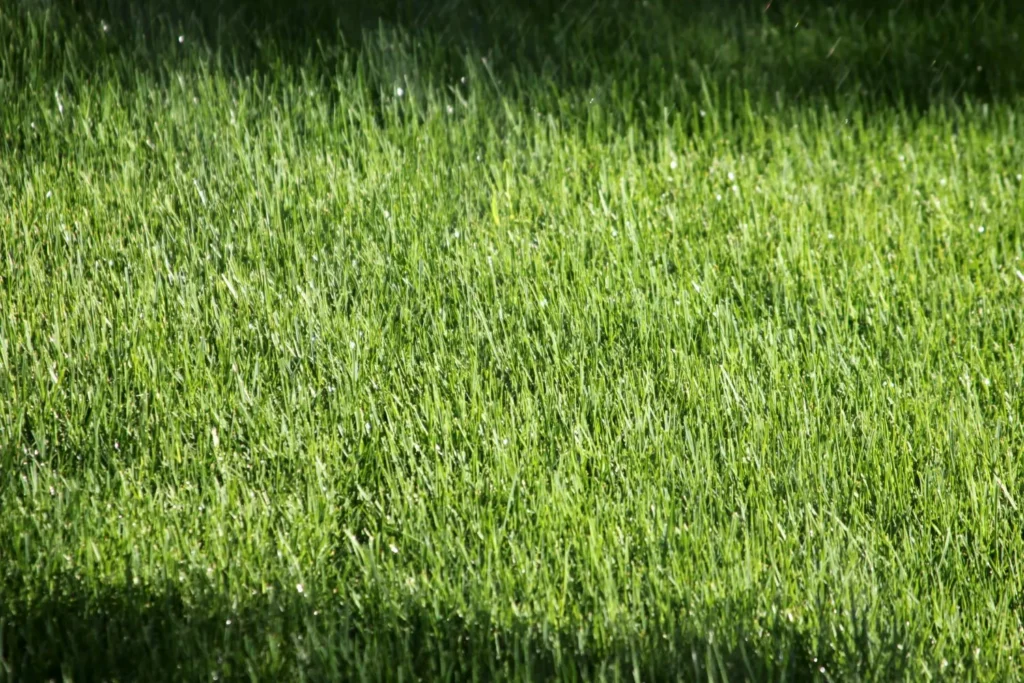
If your lawn’s density changes throughout the year, light may be the missing variable.
At Weed Pro, we evaluate how shade patterns, canopy cover, and seasonal shifts in sun interact with turf growth. Because density issues don’t always start in the soil; sometimes, they start overhead.
Contact us today so we can evaluate your turf.
Frequently Asked Questions
Does pruning trees immediately restore Turf Density?
Not always. While pruning can increase sunlight exposure, grass may need multiple growth cycles to rebuild thickness. Recovery depends on how long the shade suppression lasted.
Are some warm-season grasses better adapted to partial shade?
Yes. Certain Zoysia cultivars tolerate filtered light better than Bermuda cultivars do. However, even shade-tolerant varieties require minimum sunlight thresholds to maintain consistent density.
Can reflective surfaces improve sunlight exposure in shaded lawns?
In limited cases, reflective surfaces such as light-colored fencing or nearby structures can slightly increase light diffusion. However, they rarely compensate for heavy canopy cover.
Up Next: When Green Doesn’t Mean Healthy
Now that you understand how Turf Density shifts with seasonal light changes, it’s time to explore another misconception. A lawn can look green; yet still be under stress. Next Read: Why a Green Lawn Isn’t Always a Healthy Lawn in Atlanta’s Humid Climate