Key Takeaways:
- Lawn repair is about rebuilding systems, not just fixing bare spots
- Many repairs focus on appearance instead of root recovery
- Soil conditions determine whether repairs last or fail
- Timing mistakes can undo otherwise good work
- Long-term recovery requires correcting underlying stress
Why Lawn Repair Looks Successful Before It Fails
One of the most frustrating things for homeowners is watching a repaired lawn look great for a few weeks, only to thin out, discolor, or die back again. This pattern is common and usually leads to repeated reseeding, patching, or sodding that never seem to stick.
The reason is simple: most lawn repair mistakes don’t show up immediately. Grass can germinate, green up, and even fill in temporarily while deeper problems continue below the surface. When heat, traffic, or moisture stress returns, the repaired area collapses again.
Mistake #1: Repairing the Surface Without Fixing the Soil
Soil is the foundation of every successful lawn repair. When soil conditions are poor, turf cannot develop the root strength needed to survive stress. Many repairs fail because:
- Compacted soil limits oxygen
- Poor structure traps excess moisture
- Weak roots never establish deeply
Seed or sod placed on unhealthy soil may grow initially, but it won’t last.
Mistake #2: Over-Seeding Without Proper Site Preparation
Throwing seed at a problem is one of the most common lawn repair habits and one of the least effective when done alone. Successful seeding requires:
- Seed-to-soil contact
- Adequate oxygen and drainage
- Reduced competition
When seed is applied over compacted or thatchy areas, germination may occur, but root establishment remains weak.
Mistake #3: Ignoring Why the Lawn Was Damaged in the First Place
Every damaged lawn has a cause. Repairs that don’t address the cause are almost guaranteed to fail. Some of the most common underlying issues include:
- Poor drainage
- Heavy foot traffic
- Excess shade
- Improper watering habits
If these conditions remain unchanged, repaired turf is returned to the same stressful environment that caused the damage in the first place.
Mistake #4: Repairing at the Wrong Time of Year
Timing matters more than most homeowners realize. Even well-executed lawn repair can fail if it’s done during the wrong season. Poor timing often means:
- Repairs done during peak heat stress
- Seeding during low germination windows
- Insufficient recovery time before seasonal extremes
Grass needs a favorable growth window to establish roots before stress returns.
Mistake #5: Overwatering After Lawn Repair
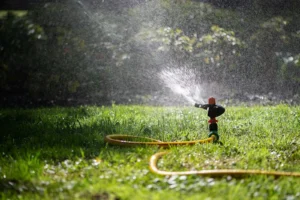
Water is essential for repair, but too much of it can undo the entire process. Overwatering causes:
- Oxygen deprivation in soil
- Increased fungal pressure
- Weak root development
Many homeowners mistakenly believe constant moisture equals better establishment. In reality, roots need cycles of moisture and oxygen to grow strong.
Mistake #6: Fertilizing Too Aggressively After Repair
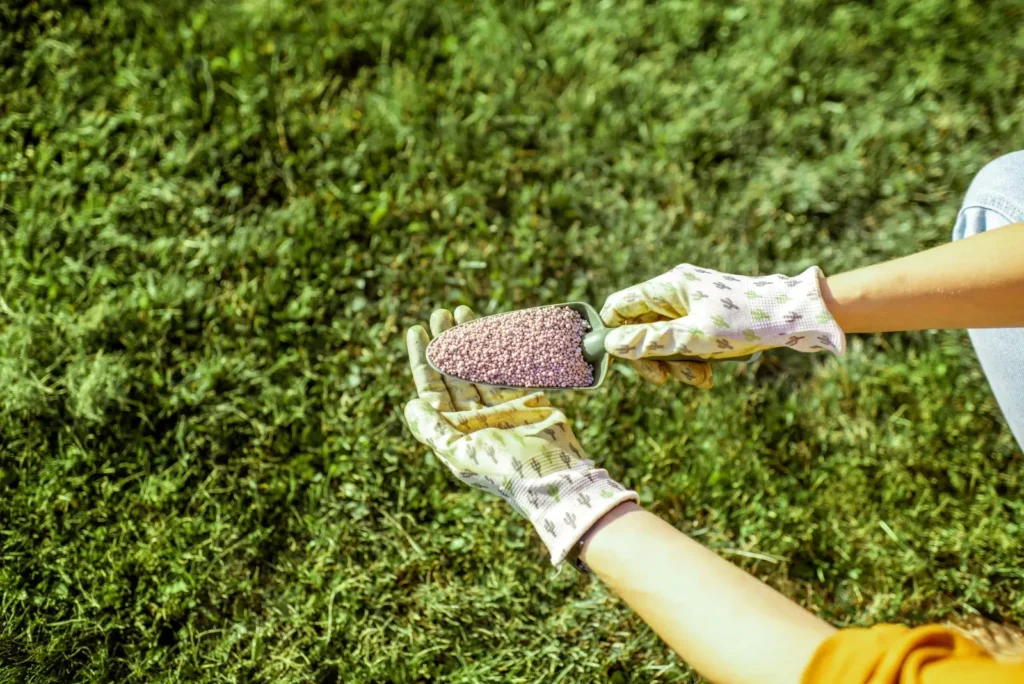
Fertilizer misuse is another hidden lawn repair killer. While nutrients are important, excess fertilizer, especially nitrogen, can create more problems than it solves. Over-fertilization leads to:
- Rapid top growth with weak roots
- Increased disease susceptibility
- Burn or stress in the new turf
Balanced nutrition supports recovery. Overstimulation undermines it.
| Weed Pro Lawn Care: Local Lawn & Outdoor Pest Experts Reliable Service Backed by Results You Can See Choose the Right Lawn Care Solution for Your Property: –Complete Lawn Care Programs: Ongoing, customized lawn care plans designed to strengthen turf, improve soil health, and reduce weeds. –Targeted Weed & Pest Control: Focused solutions for persistent lawn weeds, invasive pests, and seasonal pressures such as mosquitoes and surface insects. –Irrigation & Lawn Health Support: Professional support for irrigation efficiency, aeration, overseeding, and soil conditioning to improve water absorption, reduce runoff, and help lawns recover from compaction, disease, or environmental damage. Customer Praise: “Weed Pro Lawn Care provides weed control and fertilization for my property. They do a wonderful job. Not only are they kind, but they provide flexibility and wonderful customer service to ensure all needs are met. I have been a customer with them for just under a year now, and I will continue using them!” – Angela M. Why Homeowners Choose Weed Pro Lawn Care: -Locally owned and operated, serving North Georgia communities -Experienced technicians trained in region-specific lawn and pest challenges -Customized service plans based on property conditions, not one-size-fits-all programs -Environmentally responsible treatments with a focus on long-term lawn health -Clear communication, reliable scheduling, and service you can trust Schedule your Service Today! |
Mistake #7: Treating All Lawn Damage the Same Way
Not all lawn damage requires the same repair strategy. Bare areas caused by compaction require different solutions than those caused by disease or shade.
When homeowners apply one-size-fits-all fixes, results are inconsistent and often short-lived.
Mistake #8: Overlooking Root Health During Recovery
Most lawn repair efforts focus on what’s visible. Root recovery is rarely monitored, even though it determines long-term success. Signs that roots haven’t recovered include:
- Turf pulling up easily
- Rapid wilting during heat
- Patchy regrowth
Without healthy roots, repaired areas remain fragile.
Mistake #9: Returning to Normal Traffic Too Quickly
Newly repaired turf needs time to stabilize. Foot traffic, pets, and equipment can undo weeks of progress in minutes. Early stress:
- Compacts the soil again
- Damages immature roots
- Creates new bare spots
Traffic management is often overlooked; but it’s essential for recovery.
Mistake #10: Expecting Repair to Be a One-Time Event
Healthy lawns are systems. Repair isn’t a single action; it’s a process. Long-term recovery usually requires:
- Follow-up care
- Ongoing soil improvement
- Adjusted maintenance habits
When repair is treated as a one-and-done task, results fade quickly.
How Long-Term Lawn Repair Actually Works
Lasting lawn repair focuses on rebuilding resilience, not just restoring color. Effective recovery includes:
- Improving soil structure
- Supporting deep root growth
- Reducing stress triggers
- Allowing adequate establishment time
This approach turns repair from a recurring chore into a durable solution.
Build a Lawn That Recovers Not One That Repeats Repairs
If you’re stuck repairing the same areas year after year, the issue isn’t effort, it’s strategy. Long-term lawn repair requires more than seed and water. It requires understanding what weakened the turf in the first place and correcting those conditions before damage repeats.
Weed Pro helps homeowners move beyond temporary fixes by addressing soil health, moisture balance, and turf stress as part of a complete repair plan. Contact us today to schedule an evaluation and take the guesswork out of lawn repair for good.
FAQ
Why does a lawn look repaired at first, but then thin out again?
Because surface growth occurred without proper root establishment or soil correction.
Can you fix lawn repair issues without starting over?
In many cases, yes, correcting soil and maintenance practices can stabilize existing turf.
How long should lawn repair take before it’s considered successful?
True recovery often takes several months and spans at least one full growing cycle.
Continue Learning About Lasting Lawn Recovery
Next, explore how turf appearance can be misleading in Why Lawn Color Can Improve While Turf Health Declines.