Proactive weed control agents (commonly known as pre-emergent weed killers) create a chemical barrier within your soil to try to halt or prevent weed seeds from germinating into weed plants. The downside of pre-emergent agents is that they may persist in soil and introduce potential latent risks to your family, your animals, beneficial organisms in your soil, and, of course, to the vegetation you want to support and thrive. Knowing about the potential risks of using pre-emergent herbicides on your home or commercial property in Atlanta, GA, is significant for all property owners and managers of commercial property. This will help you understand what these chemicals are, how they work, and where they pose health and environmental risks, while highlighting those that are effective and beneficial for the earth. Additionally, you will see what Weed Pro Lawn Care can do for you to make your family safe, your pets safe, and your grass and vegetation thrive.
What Exactly Are Pre-Emergent Weed Killers and How Do They Impact Your Yard?
Pre-emergent weed killers are chemically designed to prevent weed seeds from germinating into weeds by creating a barrier in the soil that stops cell division. While pre-emergent agents work for weeks, months, or even years, they can alter the nature and composition of soil and vegetation, leading to unintended consequences.
What Are the Typical Active Ingredients Found in Pre-Emergent Weed Killers?
- Prodiamine: A dinitroaniline that interferes with the formation of microtubules.
- Pendimethalin: A benzenedinitrile that inhibits root tip development.
- Trifluralin: A nitroaniline that stops cell division.
These active components differ in how long they remain effective and how they bind to soil, influencing when and how often they should be applied.
How Long Do Pre-Emergent Weed Killers Stay Active in the Soil?
These residues will generally remain active for 6-12 weeks, depending on soil type, precipitation, and microbial activity. In more solid clay soils, the barrier may be longer, providing increased delay in weed emergence, while also allowing for increased duration of exposure. Understanding the duration of activity will directly correlate to how you schedule re-entry and when alternative control can be attempted.
What Are the Health Risks of Pre-Emergent Weed Killers for People and Pets?
Pre-emergent weed killers can pose public health risks from their active ingredient properties. Children play on treated lawns, and pets walk through them; therefore, the likelihood of skin contact and/or ingestion increases. Recognition of these hazards can have meaningful impacts on how you handle products and comply with the re-entry time. Studies indicate that while some pre-emergent weed killers may provide effective control for weeds, their toxicity can be a concern for human health and pets when exposure time is extended.
How Can Pre-Emergents Impact Children’s Health?
Because children’s skin is developing, it may be more sensitive, and there is a possibility of respiratory irritation from spray mist. Some initial studies suggest that long-term exposure may predispose some children to certain allergic or inflammatory conditions. This is yet another reason to maintain safety protocols and be aware of waiting periods.
Are Pre-Emergent Weed Killers Safe for Pets?
Hair/fur may provide a means for pets to intake residues, or they may also chew on blades of grass that have been pre-emergently treated. Some products can cause digestive upset or skin irritation in pets. To minimize risk, limit pet access to treated areas until the product has been fully incorporated.
What Safety Precautions Should Gardeners Take When Using Pre-Emergents?
- Wear protective gear like gloves, long sleeves, and a respirator to minimize contact.
- Keep children and pets away from treated areas until the product has dried or been watered in.
- Strictly follow the manufacturer’s instructions for re-entry and watering.
These precautions promote safer usage and pave the way for adopting eco-friendly alternatives.
Minimizing health risks goes hand-in-hand with understanding the broader impacts on soil and the environment, which we will explore next.
How Do Pre-Emergent Weed Killers Affect Soil Health and the Environment?
As pre-emergents accumulate in a soil medium, the microbial communities involved in nutrient cycling will shift, leading to lower organic matter levels and more fragile soils. The action of pre-emergents can be harmful to beneficial fungi and bacteria, making these organisms less effective in supporting plants. Awareness of these impacts is essential to stress the need for sound stewardship of soil.
Pre-emergents are often persistent and can greatly alter the delicate balance of soil ecosystems, impacting microbial populations, soil health, and sometimes even water quality.
In What Ways Do Pre-Emergents Harm Beneficial Soil Microorganisms?
Here’s a comparison of soil conditions with and without pre-emergent application:
| Soil Condition | Microbial Activity | Organic Matter Levels |
|---|---|---|
| Untreated Garden Soil | High biodiversity | Stable and rich |
| Chemically Treated Soil | Reduced microbial diversity | Noticeable decline |
Disrupting microbial life hinders nutrient availability and plant vitality, encouraging a shift towards natural maintenance methods.
How Does Weed Killer Runoff Impact Water Quality and Local Ecosystems?
Contaminated stormwater, containing residual chemicals from the runoff of a pre-emergent, can flow into storm drains and waterways, where the chemicals may settle into sediments, potentially harming aquatic biotic groups. Even residual chemicals in low concentrations can hinder fish reproduction and negatively affect aquatic invertebrate populations, thus impacting the biodiversity.
What Impact Can Pre-Emergent Weed Killers Have on Non-Target Plants and Gardens?
Pre-emergents do not distinguish between weeds and the seeds of your desired plants. Their disruption of cell division may limit the yield of young vegetables or the establishment of ornamental plants. Knowledge about this unintended damage helps gardeners to push towards selective control methods that promote all plant life.
The indiscriminate impact of pre-emergent weed killers can undermine yields, compromising both garden aesthetics and produce potential.
What Signs Indicate Weed Killer Damage in Desirable Plants?
Common indicators include:
- Stunted seedling growth with misshapen leaves
- Yellow or brown patches on new foliage
- Underdeveloped root systems observed during transplanting
These symptoms help distinguish chemical stress from nutrient deficiencies.
What are some safe and effective alternatives to pre-emergent weed killers?
Outside a synthetic barrier, gardeners can use a technique that more naturally encourages their turf to thrive and compete against weed proliferation. Integrated weed management incorporates cultural, mechanical, and biological techniques to build resiliency while lessening the reliance on chemicals.
How Do Aeration, Overseeding, and Proper Irrigation Help Prevent Weeds Naturally?
Essential practices include:
- Aeration to alleviate soil compaction and boost microbial activity.
- Overseeding to fill in bare spots and outcompete weeds.
- Consistent, deep watering to encourage robust root systems.
These methods strengthen lawn health and create conditions less favorable for weeds.
Weed-Free Isn’t Always Worry-Free—Choose Smarter Lawn Care with Weed Pro
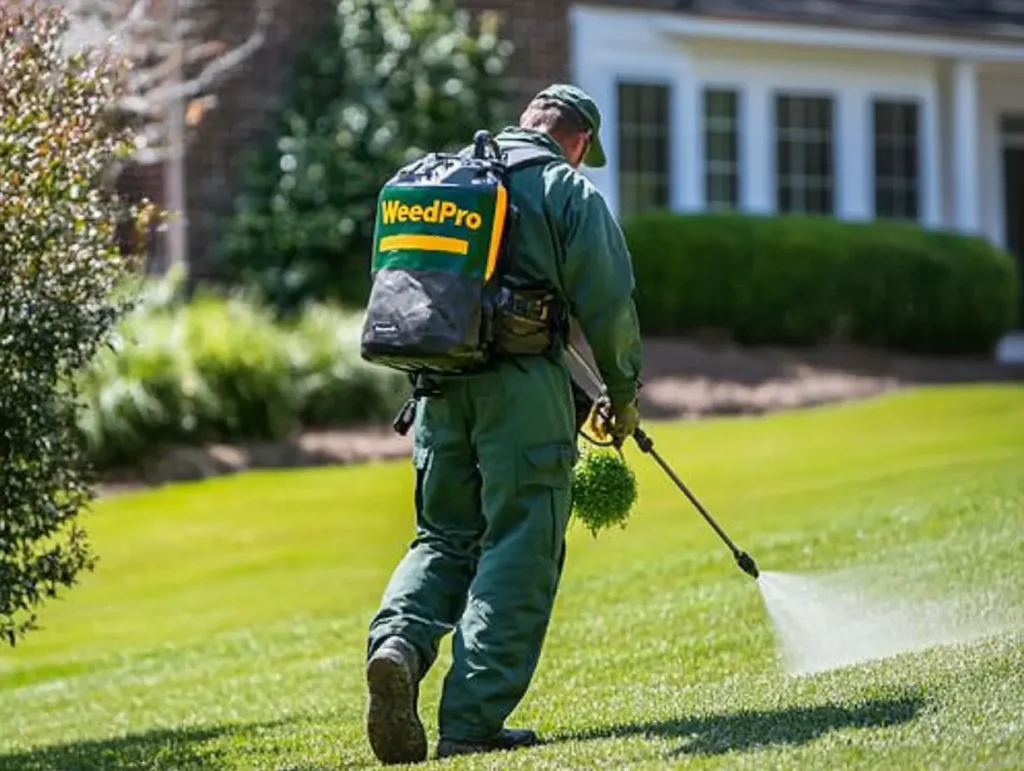
Pre-emergent herbicides are effective, but some come with hidden risks—from soil imbalance to potential health concerns for kids, pets, and pollinators. At Weed Pro, we believe a healthy lawn shouldn’t come at the expense of your peace of mind. That’s why we offer safer, eco-conscious alternatives that get great results without harsh chemicals. We also educate our clients on application timing, safety zones, and long-term soil health. Want results that feel as good as they look?
Contact us now and ask about our lawn care options designed for Georgia families.
❓ FAQ
Are pre-emergent herbicides toxic to pets or kids?
Some can be if applied incorrectly. Weed Pro uses safe practices and offers alternative options for families with safety concerns.
What are some greener alternatives to pre-emergents?
Corn gluten meal and natural mulching techniques can help suppress weeds. Weed Pro can build a custom plan based on your goals.
👉 Up Next:
Want more expert insights, seasonal tips, and lawn care advice straight from the pros? Don’t stop here—head over to the Weed Pro Blog to explore our full library of guides and tutorials. Whether you’re battling weeds, fine-tuning your irrigation, or planning next season’s aeration, you’ll find everything you need to keep your Georgia lawn healthy, green, and thriving year-round.