Having your sprinkler system installed correctly can reduce your water bill by up to 50% and give your lawn the deep, healthy roots it needs. Unfortunately, many homeowners face patchy coverage, water pooling in unwanted areas, and shockingly high utility bills because the system was not designed or installed properly. This article contains real cost information for Cumming and Atlanta, common DIY mistakes to avoid, water-efficient parts and smart controllers, smart design features such as hydrozoning and backflow prevention, and keeping your system operational for years. By using this approach and contacting a professional like Weed Pro Lawn Care’s Sprinkler Services and Irrigation Service & Repair, you can be good stewards of water usage, maintain a lush landscape, and get a quote to save money now.
What’s the Damage? Sprinkler Installation Costs in Cumming and Atlanta, GA
In Cumming and Atlanta, you will usually spend between $2,271 and $3,058 to install your sprinkler system. Factors such as your lawn size—whether smaller or larger —soil conditions, and the number of different watering zones you would like addressed can adjust your price up or down. These averages typically cover digging trenches for the main pipes, installing valves and controllers, sprinkler heads, backflow preventers, and an automatic timer. Knowing these costs will help you plan accordingly and see the long-term financial benefits from water savings and reduced manual watering. An experienced installation provides a return on your investment with higher efficiency, fewer breakdowns, more consistent moisture applications, and assurance that you’re not over-watering your lawn.
Here’s a look at how the costs stack up against the savings for a typical residential yard:
| Installation Step | Average Price (USD) | Yearly Water Savings (USD) |
|---|---|---|
| Standard System | 2,271 | 180 |
| Smart Controller Upgrade | 350 | 260 |
| Drip Line Addition | 450 | 220 |
These numbers show how smart upgrades, like controllers that adjust to the weather, can speed up how quickly you recoup your investment and highlight the real value of a system designed just for you.
What Makes Sprinkler Installation Prices Go Up or Down?
Several integrated factors drive the final installation price up or down. Things like your yard’s square footage, soil type (heavy clay or loose sand), watering zones, pipe size, and quality of sprinkler head will all complicate the final installation task and cost. For instance, sites with rocky terrain or dense clay soil take longer to dig trenches for pipe installation. Therefore, it is tough to price your yard with no site inspection. Smart sensors and rain detection will drive the initial costs up, but they will increase water efficiency and payback faster than expected. Some other variable installation costs might include scheduled seasonal adjustments, pre-season tune-ups, and warranty coverage.
How Does Hiring Pros for Installation Save You Money Down the Road?
Certified professionals will ensure your water pressure is calibrated correctly, construct watering zones based on sunlight exposure for the specific site, and install backflow preventers to protect your drinking water. It is better to hire an expert to prevent costly emergency repairs and delays in obtaining parts.
DIY Sprinkler Installation Fails That Burn a Hole in Your Wallet
Often, when a homeowner attempts to install their own sprinkler system, it leads to uneven irrigation patterns, pipe leakage, and/or pressure issues that reduce efficiency and increase bills. If the irrigation system is not designed properly, water spraying on the driveways and sidewalks means you have wasted water and guaranteed higher utility bills. Putting sprinkler heads in the wrong locations or just not having enough watering zones causes dry patches and wet areas, which stress plants and contribute to disease outbreaks. If you decide to bypass installing a backflow preventer, you’re not just breaking local laws, but are risking contamination of your drinking water.
DIYers often overlook soil compaction. Compacted soil makes it impossible for the soil to absorb water well, which results in more runoff. If the pipe flow conversions are inaccurate, the pressure on the sprinkler heads will be low, creating dry spots, or high pressure on lines will lead to additional stress on fittings, potentially causing cracks in the pipes.
How Water-Wise Sprinkler Systems Keep More Cash in Your Pocket
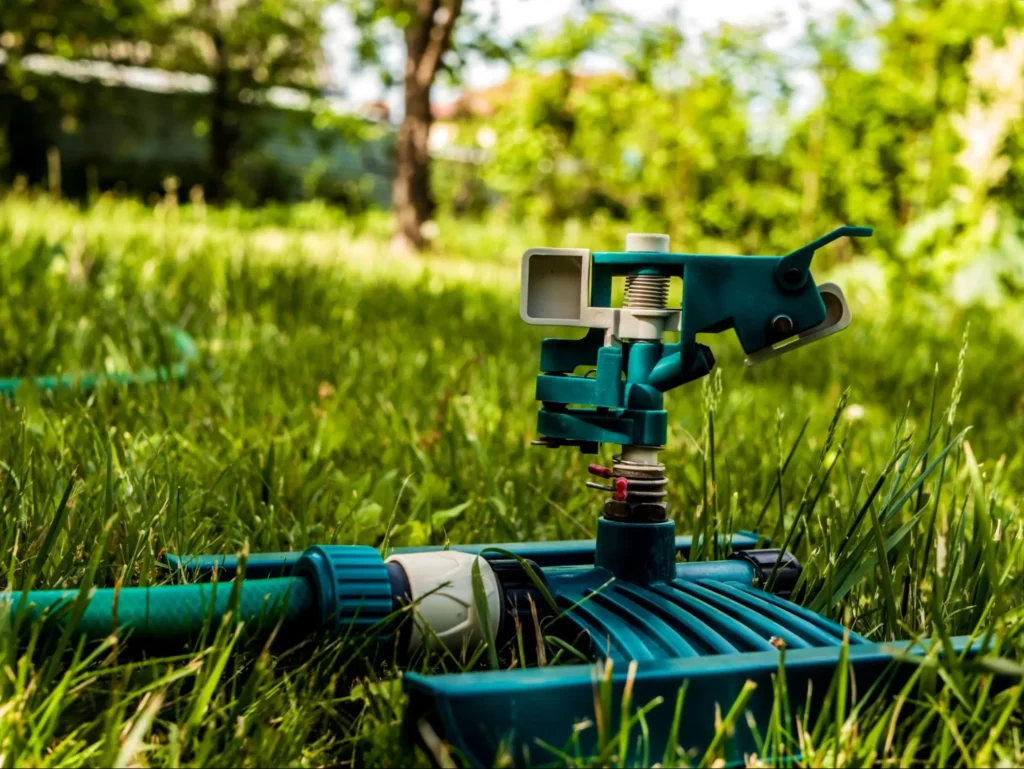
Water-efficient systems combine advanced sprinkler heads, drip irrigation, and smart controllers to cut down on water use without making your lawn look sad. Rotary nozzles spin slowly, reducing mist and wind drift, while drip lines deliver water right to the plant roots, cutting down on evaporation. Controllers that adjust based on the weather use real-time rain and soil moisture data to stop overwatering. Together, these components can cut your outdoor water use by 30–50%, saving you hundreds of dollars every year.
Here’s a comparison of different water-saving system types:
| System Type | Main Feature | Estimated Water Savings |
|---|---|---|
| Rotary Nozzles | Slow-moving, low-drift streams | 20% |
| Drip Irrigation | Water delivered straight to roots | 30% |
| Smart Weather-Based Controller | Automatic schedule adjustments | 40% |
These options show how each technology adds up to bigger savings and healthier grass. Using a smart mix of these methods means top efficiency and a faster return on your investment.
What’s New in Smart Irrigation Tech?
Innovations will come to the market, such as AI-driven controllers that learn how often you water your lawn, predictive weather models for smarter schedules, IoT soil sensors providing real-time moisture maps, and built-in check valves with drains to prevent water from draining out of low-head sprinklers. The implementation of retractable risers or pressure-regulating heads also increases efficiency, and the use of cloud-based analytics optimizes water delivery based on plant types/their microclimates.
Smart Sprinkler System Design Secrets for Saving Money
A great sprinkler design comes down to smart hydrozoning, choosing the right heads, regulating pressure, and installing backflow prevention. Hydrozoning groups plants with similar watering needs and sun exposure, ensuring they receive the exact amount of water they need, which prevents overwatering in shady spots and underwatering in sunny areas. Pressure regulation makes sure each sprinkler head works at its best flow rate, avoiding misting or creating puddles. Backflow preventers protect your drinking water and keep you compliant with regulations.
- Map out your yard’s sun, shade, and plant types to create hydrozones for custom watering schedules.
- Pick the right sprinkler heads—rotary, spray, or drip—based on the size of the area, its slope, and how long you need to water.
- Install pressure-regulating valves and flow sensors to ensure water is distributed evenly across all zones.
- Put backflow prevention devices on the main water line to protect the public water supply.
Following these steps leads to a balanced system that conserves water, cuts down on waste, and meets local code requirements.
How Does Zoning Make Watering Better and Save You Money?
Organizing locations based on watering requirements can provide an accurate watering schedule and ensure that inconsistent moisture levels do not damage plants.
How Should You Pick and Place Sprinkler Heads for Peak Efficiency?
Consider the type of head (rotors for larger spaces and sprays for smaller garden beds, drip for landscaping near the house) and the necessary spacing of heads so that the spray radius from one head reaches approximately halfway to the next head. By doing so, the coverage will be achieved evenly and without over-application.
Why Are Water Pressure and Flow Rate Crucial in System Design?
Pressure is essential to ensure that water droplets land in the appropriate place and do not quickly evaporate into mist. Proper flow routing will keep pressure balanced to all sprinkler heads across zones, preventing unintended shutdowns and leaks between sprinkler heads.
What’s the Deal with Backflow Prevention and Protecting Your Investment?
Backflow devices prevent hazardous contaminants from entering your irrigation system into existing drinking water lines. It protects your system from contamination and also prevents expensive fines and repairs due to code violations.
Regular Sprinkler System Tune-Ups: The Key to Longevity and Savings
Determining a schedule for proper maintenance will ensure that a sprinkler system operates at capacity, is regularly checked for leaks, and has longer-lasting parts. Seasonal tune-ups reinforce replacing worn-out components and maintenance for clogs and pressure issues before the conditions lead to a significant breakdown.
Before each season, check the valves, adjust sprinkler heads, and clear out any debris to make sure water is spread evenly. Winterize your pipes to prevent freeze damage and schedule a spring startup to confirm everything is working right. Catching leaks early through visual checks and pressure tests means less water wasted and lower repair bills.
- Clean and flush each zone to remove sediment and keep heads from getting clogged.
- Check for leaks at pipe joints and fittings, and fix them right away to stop water loss.
- Replace worn-out seals and filters to keep pressure consistent and spray patterns sharp.
Slash Water Waste with Smart Sprinkler Tech

At Weed Pro, we believe lawn care should be smart, sustainable, and cost-effective. If you’re still relying on outdated watering systems, you’re probably wasting both water and money. With smart sprinkler systems, we tailor irrigation to your lawn’s exact needs—down to the zone and season. We’ll help you reduce runoff, prevent overwatering, and keep your landscape green year-round. Let our team upgrade your system and save you from those shockingly high water bills.
Contact us now for a water-wise lawn care solution that pays off in more ways than one.
❓ FAQ
Are smart sprinkler systems compatible with existing setups?
Yes, most smart systems can be integrated into existing irrigation layouts with minimal upgrades, especially if your current valves and heads are in good shape.
Do you need Wi-Fi for a smart sprinkler system?
Yes, most systems require a Wi-Fi connection to operate via smartphone apps and weather-based adjustments. It’s what enables real-time scheduling and efficiency.
Can smart sprinklers help prevent lawn diseases?
Definitely. Overwatering is a leading cause of turf disease. Smart systems help avoid this by watering only when necessary, improving overall plant health.
👉 Next Up: Your Guide to Conquering Lawn Weeds
Now that your lawn is hydrated and healthy, let’s keep it that way. Check out the next article: “Conquer Lawn Weeds: Essential Weed Control Techniques for Every Homeowner.”