Key Takeaways
- Turfgrass roots need oxygen to grow, repair, and absorb nutrients; without it, even well-fertilized lawns struggle.
- Compacted, waterlogged, or poorly structured soils limit oxygen movement, leading to shallow roots and stress.
- Many common lawn problems blamed on nutrient deficiencies or disease actually stem from low soil oxygen.
- Practices like aeration, proper watering, and soil structure improvement help restore oxygen flow and root function.
- Healthier roots mean better drought tolerance, color, density, and long-term lawn resilience.
Why Oxygen Is Essential for Turfgrass Root Systems
Grass roots don’t just sit in soil; they breathe. Oxygen fuels root respiration, the process that allows roots to convert stored sugars into usable energy. That energy drives everything from root growth to nutrient uptake and recovery from stress.
When oxygen is plentiful, turfgrass roots grow deeper and stronger. When limited, roots shrink, weaken, and become less efficient. The lawn above ground responds quickly, often with thinning turf, poor color, or slow recovery after heat or traffic.
Unlike leaves, roots can’t access oxygen from the air. They rely entirely on oxygen moving through soil pore spaces, which makes soil condition just as important as fertilizer or watering.
How Turfgrass Roots Use Oxygen Below the Surface
Roots constantly respire, even when the lawn looks dormant. Oxygen is required to:
- Power root cell division and elongation
- Support nutrient absorption and transport
- Maintain root tissue health and resistance to decay
- Fuel regrowth after mowing, stress, or damage
When soil oxygen levels drop, roots shift to inefficient anaerobic processes that produce far less energy. Over time, this leads to root dieback, even if the lawn is receiving water and nutrients.
This is why lawns can fail even when homeowners “do everything right” on the surface.
What Happens When Lawn Soil Lacks Oxygen?
Low-oxygen soils quietly undermine turf health before obvious symptoms appear. As oxygen declines, root function slows, beneficial microbes disappear, and stress compounds.
Common signs of oxygen-starved turf include:
- Shallow or brittle root systems
- Poor response to fertilization
- Increased disease pressure
- Water pooling or slow drainage
- Thinning grass despite regular care
In severe cases, roots begin to rot, opening the door for fungal pathogens and long-term decline.
The Link Between Soil Structure and Oxygen Availability
Soil structure determines how easily oxygen can move through the soil. Healthy soils contain a balance of solid particles, water, and air-filled pore spaces. When that balance shifts, oxygen flow suffers.
Clay-heavy soils, common in many Georgia lawns, naturally have smaller pore spaces. When those soils become compacted or saturated, oxygen movement slows dramatically. Over time, this creates a hostile environment for roots, even if the lawn looks fine on top.
Good structure allows oxygen to move freely, water to drain properly, and roots to explore deeper soil layers.
| Weed Pro Lawn Care: Local Lawn & Outdoor Pest Experts Reliable Service Backed by Results You Can See Choose the Right Lawn Care Solution for Your Property: – Complete Lawn Care Programs: Ongoing, customized lawn care plans designed to strengthen turf, improve soil health, and reduce weeds. – Targeted Weed & Pest Control: Focused solutions for persistent lawn weeds, invasive pests, and seasonal pressures such as mosquitoes and surface insects. – Irrigation & Lawn Health Support: Professional support for irrigation efficiency, aeration, overseeding, and soil conditioning to improve water absorption, reduce runoff, and help lawns recover from compaction, disease, or environmental damage. Customer Praise:“Easy and quick set-up. Immediate results. I have been trying and failing little by little to maintain my yard over the past three years. Weed pro came in and turned the yard around in 6 months. Thank you Weed Pro Lawn care for excellent and affordable lawn care.” – Antonio Rizzo Why Homeowners Choose Weed Pro Lawn Care: – Locally owned and operated, serving North Georgia communities – Experienced technicians trained in region-specific lawn and pest challenges – Customized service plans based on property conditions, not one-size-fits-all programs – Environmentally responsible treatments with a focus on long-term lawn health – Clear communication, reliable scheduling, and service you can trustSchedule your Service Today! |
Why Compacted Soil Is a Major Oxygen Blocker
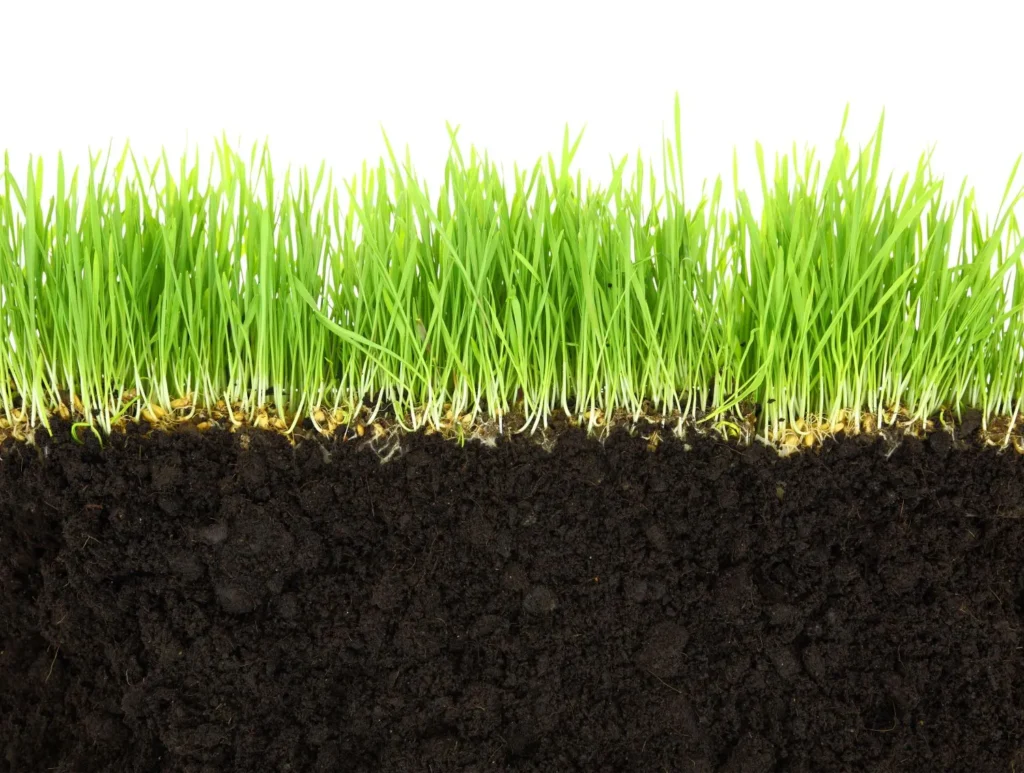
Compaction compresses soil particles together, squeezing out air pockets that roots depend on. It’s one of the fastest ways to cut off oxygen below the surface.
Compaction commonly develops from:
- Foot traffic and pets
- Construction activity or utility work
- Heavy equipment or repeated mowing patterns
- Natural settling in older lawns
Once soil is compacted, water fills the remaining spaces first, leaving little room for oxygen. Roots then stay shallow, and the lawn becomes increasingly sensitive to heat, drought, and disease.
How Overwatering and Poor Drainage Reduce Root Oxygen
Water and oxygen compete for the same soil space. When soil stays saturated, oxygen gets pushed out and roots suffer.
This doesn’t require flooding. Frequent shallow watering, poorly drained areas, or irrigation run times exceeding soil infiltration rates can all create chronic low-oxygen conditions.
Ironically, lawns that are overwatered often show symptoms similar to drought stress because roots can’t function properly without oxygen.
Why Oxygen Stress Is Often Mistaken for Nutrient Problems
Yellowing grass, slow growth, or weak density are often blamed on nitrogen or micronutrient deficiencies. But if roots can’t respire efficiently, they can’t absorb nutrients effectively, even when those nutrients are present.
That’s why adding more fertilizer to oxygen-deprived soil rarely fixes the issue. In some cases, it makes things worse by stimulating top growth that the root system can’t support.
Before chasing nutrient solutions, it’s critical to evaluate soil oxygen and structure.
Lawn Practices That Improve Oxygen Flow to Roots
Improving oxygen availability doesn’t require drastic measures, but it does require the right approach.
Effective oxygen-supporting practices include:
- Core aeration to relieve compaction and open pore space
- Watering deeply but less frequently to encourage drainage and root depth
- Managing traffic patterns to prevent repeated compaction
- Improving soil structure with organic matter when appropriate
These steps work together to restore airflow, microbial balance, and root efficiency over time.
Why Aeration Plays a Key Role, but Isn’t the Only Fix
Aeration is one of the most effective ways to reintroduce oxygen into compacted soil. Removing soil cores creates direct channels for air, water, and nutrients to reach the root zone.
However, aeration works best when paired with good watering habits and realistic expectations. It improves oxygen access, but long-term soil health depends on consistent management rather than one-time treatments.
In heavily compacted or stressed lawns, professional evaluation helps determine whether aeration alone is enough or if deeper soil correction is needed.
When Professional Lawn Care Helps Restore Root Oxygen
Some lawns struggle to get enough oxygen year after year due to soil type, slope, shade, or past disturbance. In those cases, professional services help identify underlying limitations and correct them systematically.
A professional approach focuses on:
- Diagnosing compaction and drainage patterns
- Timing aeration for maximum root recovery
- Adjusting watering and fertility to support oxygen use
- Preventing recurring stress that collapses soil structure again
This targeted care helps lawns recover faster and stay healthier longer.
Ready to Help Your Lawn Breathe Again?
If your lawn struggles despite regular watering and fertilization, the issue may be below the surface. At Weed Pro Lawn Care, we evaluate soil conditions, compaction, and root health to determine what’s limiting oxygen flow in your turf. Our team builds targeted plans that support healthier roots and stronger lawns over the long term. If you’re ready to stop guessing and start improving your lawn from the ground up, contact us today to schedule a professional assessment and get expert guidance tailored to your property.
Frequently Asked Questions About Oxygen and Lawn Roots
How deep do turfgrass roots need oxygen?
Most turfgrass roots rely on oxygen in the top 6–8 inches of soil, where active growth occurs. If oxygen movement is restricted in this zone, roots stay shallow and become less effective at supporting the lawn.
Can a lawn get too much oxygen?
In natural soils, excess oxygen is rarely a problem. Issues usually arise from insufficient oxygen due to compaction, poor drainage, or waterlogged conditions, rather than from overexposure.
How quickly does aeration improve oxygen levels?
Oxygen movement improves immediately after aeration, but root response takes time. Visible improvements often appear over several weeks as roots grow into newly opened soil spaces.
Continue Learning About Lawn Soil Health
Understanding oxygen is just one piece of building a resilient lawn. To learn why even healthy-looking lawns struggle when soil prep is skipped, check out our next article: Why Overseeding Fails Without Proper Soil Preparation.