Key Takeaways
- Tree roots compete with turf for water, nutrients, and soil space.
- Root competition often happens underground before symptoms appear above ground.
- Moisture competition and nutrient depletion gradually weaken grass.
- Shallow turf roots increase vulnerability near large trees.
- Early detection prevents long-term turf thinning and structural decline.
The Hidden Battle Beneath Your Lawn
In many Cumming neighborhoods, mature trees define the landscape. They offer shade, character, and curb appeal. However, beneath that beauty lies a quiet competition. Tree roots compete with turf every day, even when the surface looks perfectly normal.
This conflict doesn’t start with a dramatic dieback. Instead, it begins underground, where root zones overlap, and soil resources become limited. At Weed Pro, we frequently see lawns that appear adequately watered and fertilized but still struggle due to an absorption conflict happening beneath the surface.
The grass isn’t failing randomly. It’s competing.
Root Competition Happens Gradually
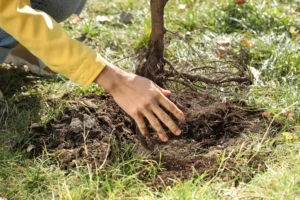
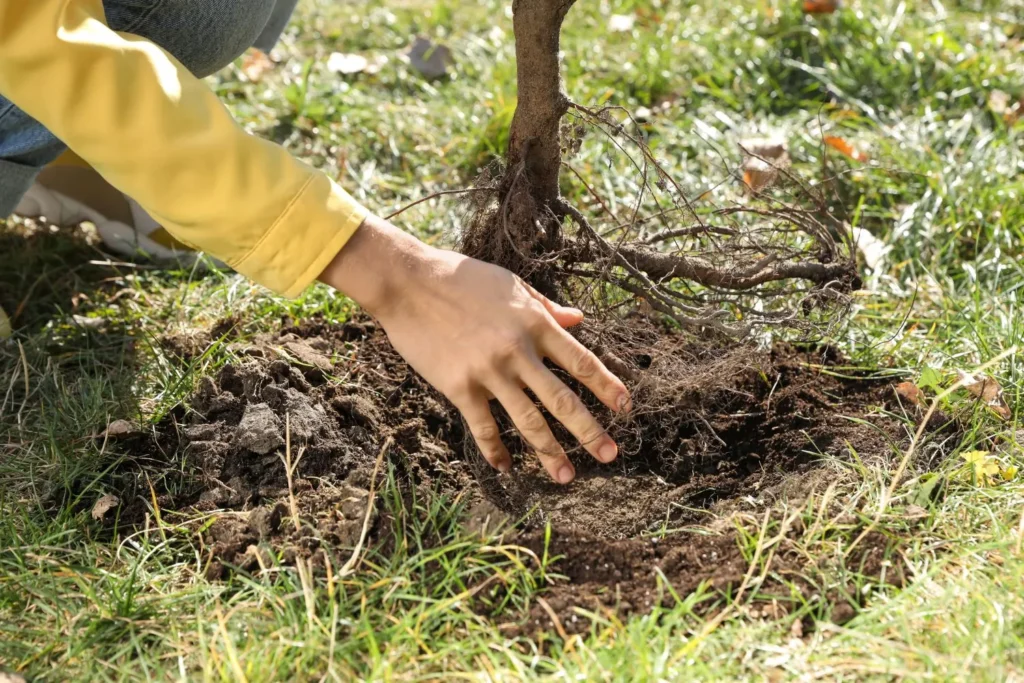
Unlike drought or disease, root competition doesn’t announce itself loudly. Trees expand their underground spread year after year. As those roots extend outward, they infiltrate soil previously dominated by turf roots.
This overlap creates soil resource drain. Trees, with their stronger and more established systems, often win the contest for moisture and nutrients. Over time, grass adapts by developing shallower turf roots, which reduces long-term resilience.
Because the process unfolds slowly, homeowners rarely connect thinning grass to expanding tree root zones.
Why Trees Often Win the Underground Battle
Trees possess structural advantages in soil competition. Their root systems are thicker, more expansive, and capable of penetrating deeper soil layers. Grass, by comparison, relies on finer, shallower roots designed for rapid but less aggressive absorption.
When moisture competition intensifies, trees draw water first. During dry spells, this priority access limits turf hydration even when irrigation appears sufficient. Similarly, nutrient depletion occurs when tree roots absorb available nitrogen and micronutrients before grass can take them up.
The imbalance grows over time.
| Weed Pro Lawn Care: Local Lawn & Outdoor Pest Experts Reliable Service Backed by Results You Can See Choose the Right Lawn Care Solution for Your Property: –Complete Lawn Care Programs: Ongoing, customized lawn care plans designed to strengthen turf, improve soil health, and reduce weeds. –Targeted Weed & Pest Control: Focused solutions for persistent lawn weeds, invasive pests, and seasonal pressures such as mosquitoes and surface insects. –Irrigation & Lawn Health Support: Professional support for irrigation efficiency, aeration, overseeding, and soil conditioning to improve water absorption, reduce runoff, and help lawns recover from compaction, disease, or environmental damage. Customer Praise:“Expert service and the price is very reasonable. Communication is exceptional with full details of the monthly service that was performed and any follow-up treatments that are needed to keep my lawn in tip top shape.” – Dewey E. Why Homeowners Choose Weed Pro Lawn Care: -Locally owned and operated, serving North Georgia communities -Experienced technicians trained in region-specific lawn and pest challenges -Customized service plans based on property conditions, not one-size-fits-all programs -Environmentally responsible treatments with a focus on long-term lawn health -Clear communication, reliable scheduling, and service you can trust Schedule your Service Today! |
Canopy Interference Adds Another Layer
The conflict isn’t limited to soil. Canopy interference above ground influences the same competition below. As tree canopies expand, they alter shade patterns and reduce evaporation beneath them.
Reduced sunlight lowers turf photosynthesis. Slower energy production weakens root development. Meanwhile, tree roots continue their underground spread.
This dual pressure, light limitation above and absorption conflict below, accelerates turf thinning in affected zones.
Early Signs That Tree Roots Are Competing With Turf
Often, the earliest symptoms appear subtle and localized. Watch for the following indicators near tree lines or under mature canopy:
- Gradual turf thinning despite consistent watering
- Soil that feels dry even after irrigation
- Patchy growth radiating outward from tree bases
- Grass that struggles during mild heat stress
- Areas where shallow turf roots dominate
These signs suggest that tree roots compete more intensively with turf in those zones.
Why Watering Alone Doesn’t Fix Moisture Competition
Many homeowners respond to thinning by increasing irrigation. While understandable, this approach rarely resolves the issue. Moisture competition favors trees because their roots extend deeper and absorb water more aggressively.
Adding more water may temporarily hydrate grass, but it also fuels tree uptake. As a result, turf may remain at a disadvantage. Excess watering can even reduce oxygen availability in the upper soil layers, further weakening grass.
Addressing competition requires understanding absorption conflict, not simply increasing supply.
Nutrient Depletion Happens Quietly
Fertilizer application might seem like a straightforward solution to thinning grass. However, when nutrient depletion occurs due to root overlap, added nutrients may still favor trees.
Tree roots often extend far beyond the canopy’s visible edge. That underground spread allows them to quickly intercept applied nutrients. Grass, with shallower systems, may receive only a portion of what’s available.
Repeated imbalance reinforces shallow turf roots and reduces long-term viability.
The Structural Impact of Root Zones Overlapping
When tree root zones expand into lawn areas, physical soil structure changes, thick roots occupy space, compress surrounding soil, and reduce pore space available to turf roots.
Compaction from root expansion increases soil resource drain and restricts grass expansion. Even with nutrients and water available, limited root space constrains turf development.
Structural limitation compounds moisture competition.
How Turf Thinning Develops Over Time
Turf thinning caused by root competition rarely appears dramatic at first. Instead, density declines slowly near the bases of trees and spreads outward. The pattern may mimic drought or minor stress.
As thinning expands, bare patches become more common. Weed intrusion may increase because weakened turf cannot crowd out opportunistic growth. Over time, grass dieback in heavily affected zones may prompt consideration of larger interventions.
Recognizing the source early prevents escalation.
When Shallow Turf Roots Signal Deeper Issues
Healthy turf roots should extend several inches into the soil. However, when tree roots dominate deeper layers, grass adapts by concentrating roots near the surface. These shallow turf roots become more vulnerable to temperature swings and moisture fluctuations.
Shallow systems also struggle during dry conditions. Even brief heat periods may trigger visible decline. The root cause remains underground competition rather than surface neglect.
Strengthening turf requires acknowledging this imbalance.
Long-Term Effects of Absorption Conflict
Persistent absorption conflicts between trees and turf gradually alter soil chemistry. As trees draw consistent nutrients, surrounding turf areas may show slower recovery year after year. This shift affects long-term density and stability.
Eventually, maintenance efforts may plateau. Fertilizer and watering no longer deliver visible improvement. When this plateau aligns with expanding canopy interference, root competition is likely to play a significant role.
Understanding this pattern reframes the issue.
Get a Professional Evaluation of Underground Competition
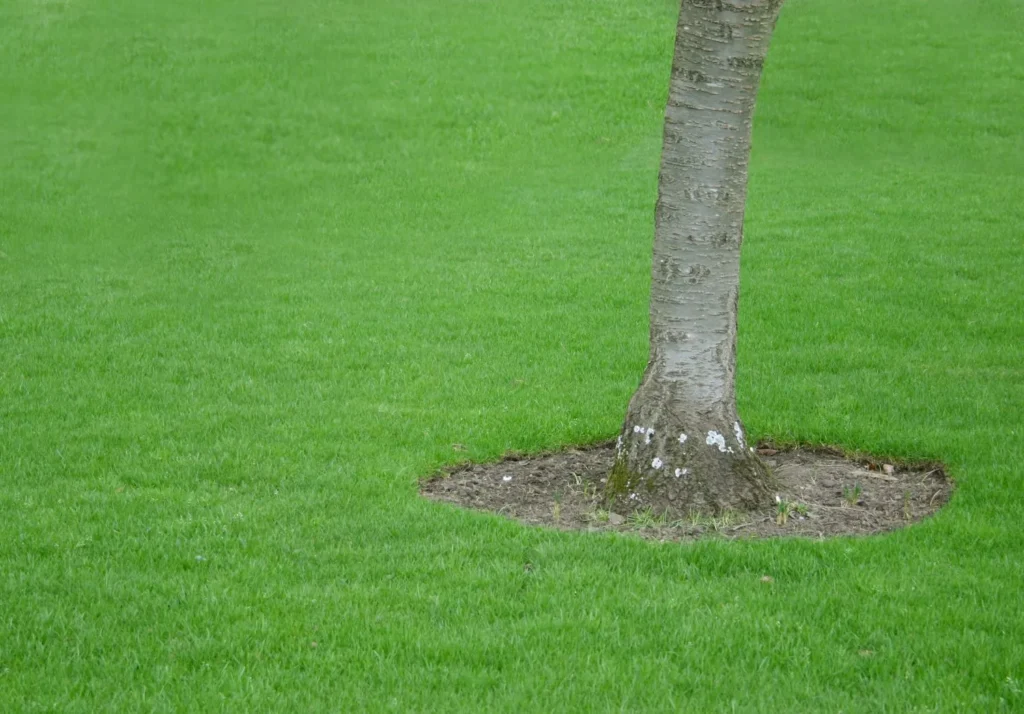
If your lawn near mature trees shows unexplained thinning or persistent stress, it may be time to investigate how tree roots compete with turf in your yard. At Weed Pro, we evaluate root zones, moisture patterns, and canopy interference to determine whether absorption conflict is limiting growth.
Contact us today for a professional assessment of your Cumming property. Identifying underground spread early can prevent ongoing turf thinning and protect long-term lawn performance.
Frequently Asked Questions
Do all tree species compete equally with turf?
No. Some species develop more aggressive surface roots than others. Fast-growing trees often create stronger moisture competition compared to slower-growing varieties.
Can installing root barriers solve turf competition issues?
Root barriers may reduce underground spread in certain cases, but installation requires careful planning. Improper placement can damage tree stability or redirect roots unpredictably.
Does removing a tree immediately restore turf health?
Not always. Soil structure and nutrient balance may remain altered after removal. Turf recovery often requires additional soil preparation and stabilization.
Up Next: Why Lawn Edges Dry Faster Than the Center
Now that we’ve uncovered how tree roots compete with turf, let’s shift focus to another subtle issue affecting Alpharetta lawns. Next Read: Why Lawn Edges Dry Faster Than the Center in Alpharetta Yards