Key Takeaways:
- Compacted soil traps heat near the surface, raising root-zone temperatures faster than healthy soil.
- Higher soil temperatures reduce oxygen availability and increase turf stress during warm weather.
- Lawns with compacted soil are more vulnerable to thinning, disease, and poor recovery.
- Heat buildup in compacted soil often goes unnoticed until visible damage appears.
- Correcting compaction improves temperature regulation, root health, and long-term turf resilience.
Why Soil Temperature Matters More Than Most Homeowners Realize
Soil temperature plays a quiet but powerful role in turf health. While air temperature gets most of the attention, roots experience stress based on what’s happening below the surface. When soil heats up too quickly, grass roots struggle to function efficiently, even if watering and fertilization appear adequate.
Healthy soil moderates temperature by allowing airflow, moisture movement, and biological activity. Compacted soil does the opposite. It creates dense layers that trap heat, restrict oxygen, and push turfgrass closer to stress thresholds, especially during Georgia’s long, warm growing seasons.
What Happens When Soil Becomes Compacted?
Soil compaction occurs when particles are pressed tightly together, reducing pore space. This often happens gradually and goes unnoticed until performance issues appear in the lawn. Common contributors to compaction include:
- Foot traffic and vehicle traffic over the same areas
- Construction or utility work
- Heavy clay content is common in many Georgia soils
- Repeated mowing without soil recovery
- Excessive rainfall followed by surface sealing
Once soil structure collapses, the physical environment around roots changes dramatically.
Why Compacted Soil Heats Up Faster Than Healthy Soil
Compacted soil absorbs and retains heat more efficiently than loose, well-structured soil. With fewer air pockets and reduced moisture movement, heat builds rapidly near the surface and lingers longer throughout the day. Several factors contribute to this accelerated warming:
- Reduced airflow prevents heat from dissipating
- Limited moisture movement decreases evaporative cooling
- Dense soil conducts heat downward more efficiently
- Shallow root systems remain closer to the hot surface layers
Healthy soil acts like insulation with ventilation. Compacted soil behaves more like pavement, absorbing heat quickly and releasing it slowly.
How Heat Stress Affects Turfgrass Roots
Roots are extremely sensitive to temperature. As soil temperatures rise, roots begin to lose efficiency long before grass blades show visible stress. In compacted soil, this stress compounds quickly. As root-zone temperatures increase:
- Root growth slows or stops entirely
- Oxygen availability decreases
- Water uptake becomes less efficient
- Nutrient absorption declines
- Disease organisms gain an advantage
Even with regular irrigation, turf growing in overheated soil struggles to recover because the problem isn’t moisture alone; it’s the physical environment around the roots.
Why Compacted Soil Stays Hot Longer After Sunset
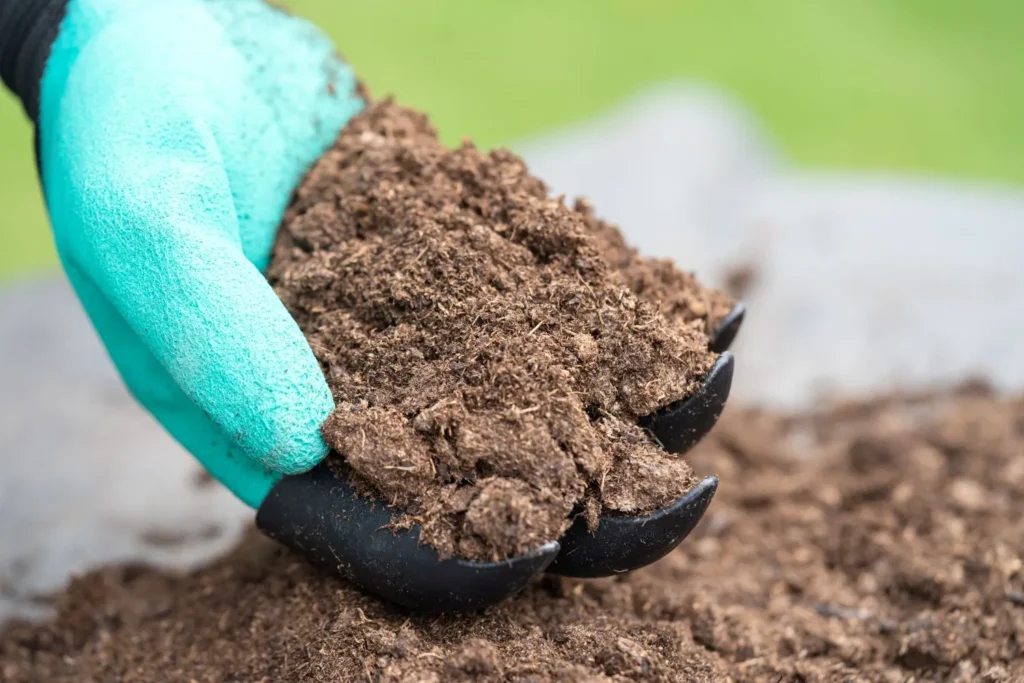
One overlooked issue is how compacted soil behaves overnight. Healthy soil cools relatively quickly as air moves through pore spaces and moisture redistributes. Compacted soil retains heat well into the evening.
This extended heat exposure means roots get less recovery time between hot days. Over weeks and months, this chronic stress weakens turf density, reduces resilience, and increases susceptibility to disease and thinning.
| Weed Pro Lawn Care: Local Lawn & Outdoor Pest Experts Reliable Service Backed by Results You Can See Choose the Right Lawn Care Solution for Your Property: –Complete Lawn Care Programs: Ongoing, customized lawn care plans designed to strengthen turf, improve soil health, and reduce weeds. –Targeted Weed & Pest Control: Focused solutions for persistent lawn weeds, invasive pests, and seasonal pressures such as mosquitoes and surface insects. –Irrigation & Lawn Health Support: Professional support for irrigation efficiency, aeration, overseeding, and soil conditioning to improve water absorption, reduce runoff, and help lawns recover from compaction, disease, or environmental damage. Customer Praise:“We have used WeedPro for several years for the chemical treatments for our yard. Their regular treatment plan keeps the grass looking great and our neighbors frequently compliment us on how nice it is. When we have problems pop up like grubs or fungus, they treat the special problems as well. I would definitely recommend them if you want a beautiful lawn..” – Mimi D. Why Homeowners Choose Weed Pro Lawn Care: -Locally owned and operated, serving North Georgia communities -Experienced technicians trained in region-specific lawn and pest challenges -Customized service plans based on property conditions, not one-size-fits-all programs -Environmentally responsible treatments with a focus on long-term lawn health -Clear communication, reliable scheduling, and service you can trust Schedule your Service Today! |
Signs Heat Buildup Is Coming From Below the Surface
Compacted soil–related heat stress often presents differently than drought stress. Homeowners may water more, yet the lawn continues to decline. Watch for these common indicators:
- Turf thinning despite adequate irrigation
- Grass that wilts early in the day
- Uneven growth patterns across the lawn
- Areas that feel hard or crusted at the surface
- Poor recovery after rainfall or watering
When these symptoms persist, soil temperature not surface care is often the missing piece.
Why Water Alone Can’t Fix Heat Stress in Compacted Soil
Water helps cool soil, but only when it can move freely. In compacted soil, water tends to sit near the surface or run off entirely. That limits cooling and reduces the soil’s natural ability to regulate temperature. Overwatering compacted areas can even worsen problems by:
- Reducing oxygen availability further
- Encouraging shallow rooting
- Increasing disease pressure
- Creating surface sealing after drying
Without correcting compaction, watering becomes a temporary bandage rather than a real solution.
How Healthy Soil Regulates Temperature Naturally
Healthy soil contains a balanced mix of mineral particles, organic matter, and pore space. This structure allows soil to respond dynamically to environmental conditions. Well-structured soil:
- Allows air movement that dissipates heat
- Holds moisture evenly for evaporative cooling
- Supports deeper root systems insulated from surface heat
- Encourages microbial activity that stabilizes soil conditions
These factors work together to keep roots within a safer temperature range, even during hot weather.
When Compaction Problems Are Most Common
Compaction-related heat issues tend to appear during predictable windows, especially in warm, humid regions. High-risk periods include:
- Mid to late summer heat waves
- After heavy rainfall followed by hot weather
- Following construction or utility work
- In lawns with heavy foot traffic
- On slopes or poorly draining areas
By the time symptoms are visible, heat stress has often been building below the surface for weeks.
Long-Term Lawn Damage Linked to Overheated, Compacted Soil
Repeated exposure to elevated soil temperatures causes cumulative damage. Turf may survive one season under stress, but long-term health declines steadily.
Common long-term effects include reduced turf density, increased weed intrusion, recurring disease outbreaks, and slower recovery after stress events. Over time, these lawns require more inputs for diminishing results a clear sign that the soil environment needs correction.
How Soil Compaction Is Corrected Effectively
Correcting compacted soil requires improving structure, not just surface appearance. This often involves mechanical, biological, and cultural strategies working together over time.
Addressing compaction improves temperature regulation by restoring airflow, moisture movement, and root depth. When soil structure improves, temperature stability improves naturally.
Get to the Root of Heat Stress Problems
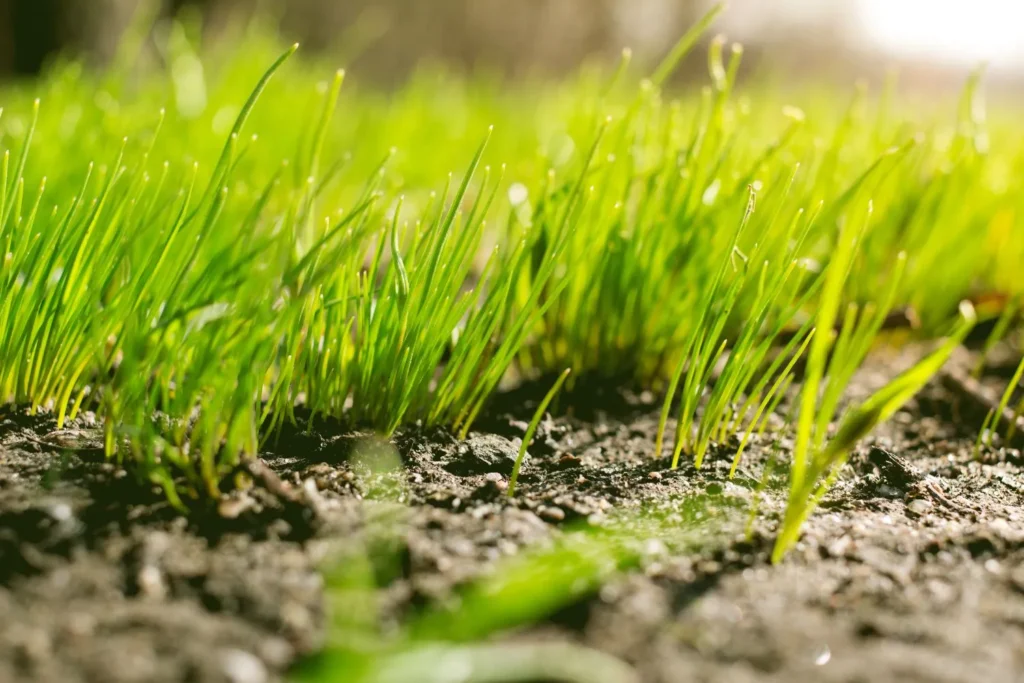
If your lawn struggles during warm weather despite proper watering and care, compacted soil may be overheating your root system. Addressing surface symptoms alone won’t fix the underlying issue. A professional evaluation can identify compaction zones, assess soil conditions, and recommend solutions that improve temperature regulation and long-term turf health.
Contact us today to schedule a soil and turf assessment and take the guesswork out of managing heat stress in your lawn.
FAQ
Does compacted soil always feel hard at the surface?
Not always. Some compacted layers lie several inches below the surface, so lawns may look normal while roots struggle beneath. This hidden compaction still affects temperature, oxygen flow, and root health.
Can mulching or topdressing reduce soil heat?
Mulching and organic amendments can help moderate surface temperatures, but they won’t correct deep compaction on their own. Without improving soil structure below the surface, heat stress often persists.
Is soil compaction worse in clay soils?
Yes. Clay soils compact more easily and drain more slowly, which increases heat retention. This makes proper soil management especially important in regions with clay-heavy soils.
Continue Learning About Soil Health
Up Next: How Topsoil Quality Declines Over Time in Suburban Lawns