
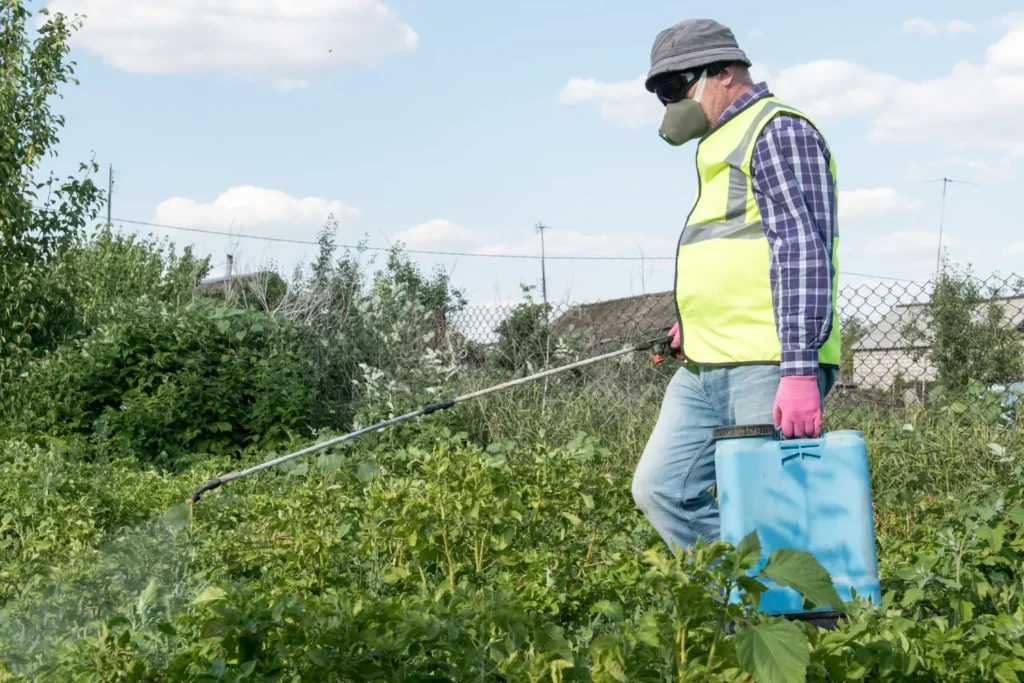
Seasonal weed management works because it follows the same rhythms as your lawn. When treatments match how weeds grow and how Georgia’s weather shifts, turf stays thicker, greener, and far easier to maintain. For homeowners and businesses in Alpharetta, this kind of timing helps prevent the quick, aggressive outbreaks common in our warm seasons and protects the curb appeal that so many buyers and visitors notice first. This guide explains why seasonal timing matters, how each season fits into a year-long plan, and how daily habits can help you maintain results between visits.
Why Seasonal Weed Control Makes Such a Difference
A seasonal program isn’t just about killing weeds; it’s about giving grass a chance to outgrow them. When pre-emergent products go down before germination windows, and post-emergent products target weeds during active growth, competition drops and turf fills out more naturally. You see fewer bare spots, stronger root systems, and steadier color across the yard. Over time, that consistency also helps prevent disease pressure and keeps maintenance costs predictable, instead of dealing with unpredictable flare-ups.
Steady weed control also carries a visual benefit: clean lines, even texture, and fewer problem patches that distract from the rest of the landscape. Those minor improvements add up, especially for homes preparing to sell or for commercial properties that depend on a strong first impression.
How Seasonal Timing Shapes Lawn Health
Weeds follow predictable cycles in Alpharetta. Crabgrass waits for soil temperatures to climb in spring. Broadleaf weeds flourish during summer stress. Winter annuals creep in as warm-season turf slows down. A seasonal schedule works because it aligns with these cycles, blocking seedlings before they emerge, removing active weeds before they reseed, and keeping turf dense enough to limit open space for new growth.
For example, a well-timed spring pre-emergent keeps annual grassy weeds from taking hold just as warm-season grasses are waking up. Summer mowing and irrigation adjustments help turf stay strong enough to compete. A fall pre-emergent shrinks the winter seedbank, and winter planning sets the stage for a cleaner start the following spring. When these steps fall into place, the lawn stays healthier with fewer dramatic ups and downs.
Why Year-Round Prevention Matters for Property Value
Visible weed issues are one of the fastest ways a lawn loses its polished look. Over time, recurring problems can signal deferred maintenance and raise concerns for buyers. A year-round weed plan helps avoid those cycles and reduces the need for major corrections like re-sodding. Consistent care supports long-term equity, keeps the property looking well-maintained, and reduces the risk of repair-related surprises during a sale.
A Practical Seasonal Map for Alpharetta Lawns

Because weeds in Georgia respond so directly to temperature shifts and rainfall patterns, a simple seasonal calendar can make planning easier.
Spring
The priority is prevention. Apply pre-emergent before soil temperatures reach the mid-50s, and pair it with early spot treatments for broadleaf weeds. This step prevents most summer problems before they begin.
Summer
Focus on targeted post-emergent work and cultural practices. Slightly higher mowing heights, steady deep watering, and attention to thin areas help turf stay competitive during heat stress.
Fall
Use fall pre-emergents to suppress winter annuals, and address established weeds with selective treatments. Aeration and overseeding, where appropriate, help close gaps that invite winter weeds.
Winter
Monitor the lawn and avoid unnecessary disturbance. Winter is the planning stage: note problem zones, track lingering weeds, and prepare for early-spring scheduling.
This simple rhythm keeps the lawn moving in the right direction, season after season.
Spring and Summer Tactics That Build Stronger Turf
In early spring, beating weed germination is everything. A well-timed pre-emergent stops many annual grasses long before they sprout, protecting warm-season turf as it moves into active growth. Once temperatures rise, selective post-emergent herbicides control scattered broadleaf weeds before they mature and spread.
Through the hottest months, cultural care carries most of the weight. Taller mowing shades the soil and reduces germination. Deep, infrequent watering encourages stronger roots and less stress. Fixing thin patches through overseeding (when seasonally appropriate) keeps weeds from finding open ground. These steps reduce the need for heavy corrective treatments and help the lawn withstand summer pressure.
Fall and Winter Steps That Prepare for the Next Growing Season
Fall is a reset period for Georgia lawns. A properly timed fall pre-emergent reduces winter weed pressure, and late-season post-emergent work removes cool-season broadleaf species before they seed. Aeration, soil improvement, and overseeding, especially for fescue lawns, help restore density before dormancy.
Winter requires far less intervention, but paying attention matters. Monitoring moisture, watching for problem spots, and setting up an early-spring treatment timeline help ensure you don’t miss the narrow window when spring prevention is most effective.
Why Many Alpharetta Homeowners Choose a Seasonal Program
Professional programs built for Alpharetta use local weather patterns, soil conditions, and turf behaviors to time each step. That means pre-emergents go down when they truly matter, post-emergents are chosen to match specific weeds, and cultural recommendations are tailored to the yard, not just the season.
Local technicians also help avoid the most common DIY pitfalls, like applying products too late, choosing the wrong formulations for warm-season grasses, or overusing herbicides when cultural practices would be more effective. A seasonal plan creates predictability, reduces chemical use over time, and maintains steady results.
Maintaining Weed Control Between Scheduled Visits
Even with a strong program, everyday habits make a noticeable difference. Mowing at the correct height allows the turf to shade the soil. Watering deeply but not too frequently keeps roots strong. Clearing debris, reducing compaction, and watching for small outbreaks give you a head start on prevention. When weeds do appear, removing them before they seed helps protect the progress already made.
These straightforward habits strengthen turf, reduce long-term costs, and help professional treatments work more efficiently.
Get Ahead of Weeds Before They Take Over

Seasonal weed control protects your turf by stopping weeds at the right moments and reducing long-term outbreaks. If you want predictable, season-long results with fewer chemicals and stronger turf performance, our team can build a tailored plan for your yard. From pre-emergent timing to post-emergent spot work, we handle it all.
Contact us today to schedule a seasonal weed-control consultation and get your lawn on a healthier, more consistent schedule.
Frequently Asked Questions
Why is timing so important for weed control?
Weeds must be stopped before they germinate or while they are actively growing for the best results. Proper timing reduces the amount of herbicide needed throughout the year.
Does a seasonal program save money long term?
Yes, preventing weeds early reduces the need for repeated or emergency treatments. It also helps maintain turf thickness, reducing repair costs.
Will seasonal weed control help thin lawns fill in?
Yes, because reducing competition gives grass more room to spread. Pairing treatments with better mowing and irrigation improves density even faster.
Reference Section: Next Article in Series
Next article: Weed Prevention vs. Weed Removal: Which Weed Control Methods Work Best for Your Lawn?