Key Takeaways
- Dew duration measures how long grass blades stay wet in the morning.
- Extended leaf wetness increases fungal risk and disease pressure.
- High humidity levels in Cumming naturally lengthen surface moisture periods.
- Poor air circulation and shaded microclimates slow evaporation.
- Managing morning moisture is critical for long-term lawn health.
Dew Duration: The Invisible Morning Stressor
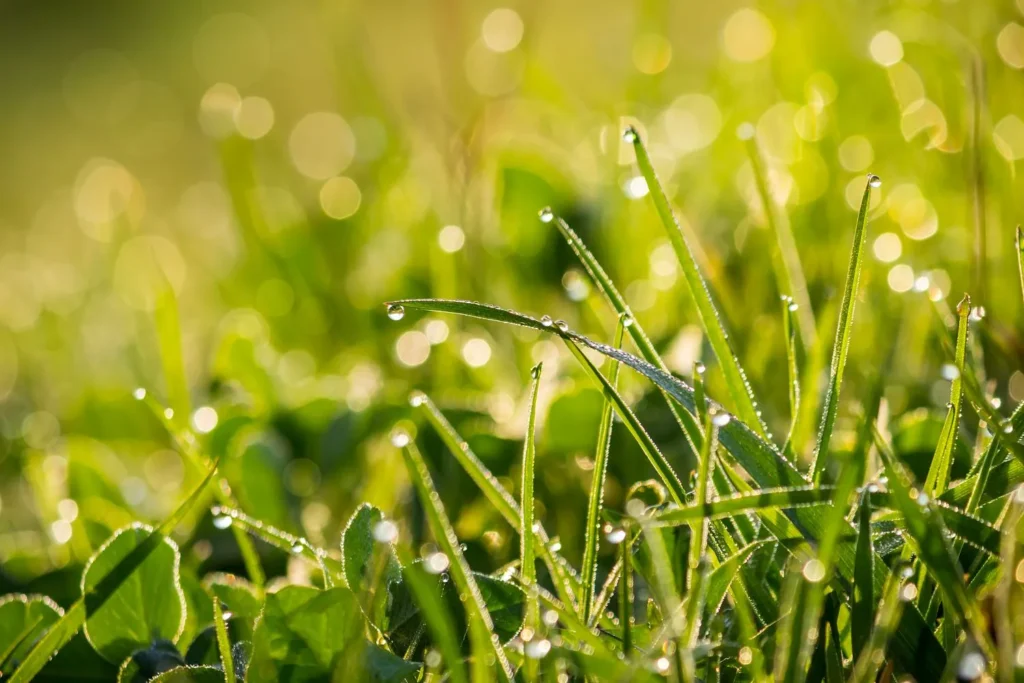
When you step outside on a summer morning in Cumming, your lawn may look peaceful. The air feels thick, the light is soft, and the grass sparkles with moisture. However, that early sheen tells a deeper story. Dew duration, the length of time grass blades remain wet, quietly influences lawn health every single day.
In Cumming’s humid environment, dew isn’t just cosmetic. It directly affects fungal risk, turf metabolism, and overall plant resilience. At Weed Pro, we often remind homeowners that moisture isn’t only about irrigation. Natural morning moisture can prolong leaf wetness, influencing disease development long before symptoms appear.
Understanding how long your turf stays wet each morning may explain more than you think.
What Dew Duration Really Means
Dew duration refers to the total time grass blades remain covered in moisture after sunrise. That moisture forms when overnight cooling causes condensation on leaf surfaces. In areas with high humidity, condensation lingers.
The key issue isn’t the presence of dew itself. It’s the duration of that moisture retention. When leaf wetness persists for several hours, fungal spores have an ideal environment in which to activate and spread.
In Cumming, extended dew periods are common because humidity slows natural drying.
| Weed Pro Lawn Care: Local Lawn & Outdoor Pest Experts Reliable Service Backed by Results You Can See Choose the Right Lawn Care Solution for Your Property: –Complete Lawn Care Programs: Ongoing, customized lawn care plans designed to strengthen turf, improve soil health, and reduce weeds. –Targeted Weed & Pest Control: Focused solutions for persistent lawn weeds, invasive pests, and seasonal pressures such as mosquitoes and surface insects. –Irrigation & Lawn Health Support: Professional support for irrigation efficiency, aeration, overseeding, and soil conditioning to improve water absorption, reduce runoff, and help lawns recover from compaction, disease, or environmental damage. Customer Praise:”I called WeedPro on a referral and my grass was full of weeds and looked terrible in spite of being with a competitor……they came out, gave great advice and treated the grass. it was fair and thorough. So far so good!” – Jim D. Why Homeowners Choose Weed Pro Lawn Care: -Locally owned and operated, serving North Georgia communities -Experienced technicians trained in region-specific lawn and pest challenges -Customized service plans based on property conditions, not one-size-fits-all programs -Environmentally responsible treatments with a focus on long-term lawn health -Clear communication, reliable scheduling, and service you can trust Schedule your Service Today! |
Why Humidity Levels in Cumming Amplify the Problem
Cumming’s climate regularly produces high overnight humidity levels. Warm air holds moisture efficiently, and when temperatures drop slightly before dawn, that moisture condenses on turf surfaces.
Unlike drier climates, where dew evaporates quickly, humid mornings slow evapotranspiration. Reduced evaporation means leaf wetness remains longer. That extended surface moisture dramatically increases the risk of fungal growth.
Even lawns that receive no overnight irrigation can experience heavy moisture retention under certain atmospheric conditions.
Leaf Wetness and Fungal Risk Go Hand in Hand
Fungal pathogens require moisture to thrive. When grass blades remain wet for extended periods, spores can germinate and infect tissue more easily. This is why dew duration plays such a central role in the development of turf disease.
Extended leaf wetness encourages:
- Increased disease pressure
- Faster pathogen spread
- Higher infection rates
- Weakened plant resilience
In humid microclimates, morning moisture may persist until late morning or even midday. That prolonged exposure creates a daily opportunity for fungal activity.
Repeated exposure over time compounds stress.
Microclimates Make Some Yards Worse Than Others
Not all lawns in Cumming experience the same dew patterns. Yard layout, tree canopy, and surrounding structures create localized microclimates. These microclimates affect air circulation and sunlight exposure.
Areas with poor airflow often trap humidity longer. Shaded zones beneath trees dry more slowly because sunlight cannot assist evaporation. As a result, dew duration varies across the same property.
You may notice disease pressure concentrated in specific sections of your lawn. That pattern often reflects differences in morning drying time rather than fertilizer or irrigation mistakes.
How Air Circulation Impacts Surface Moisture
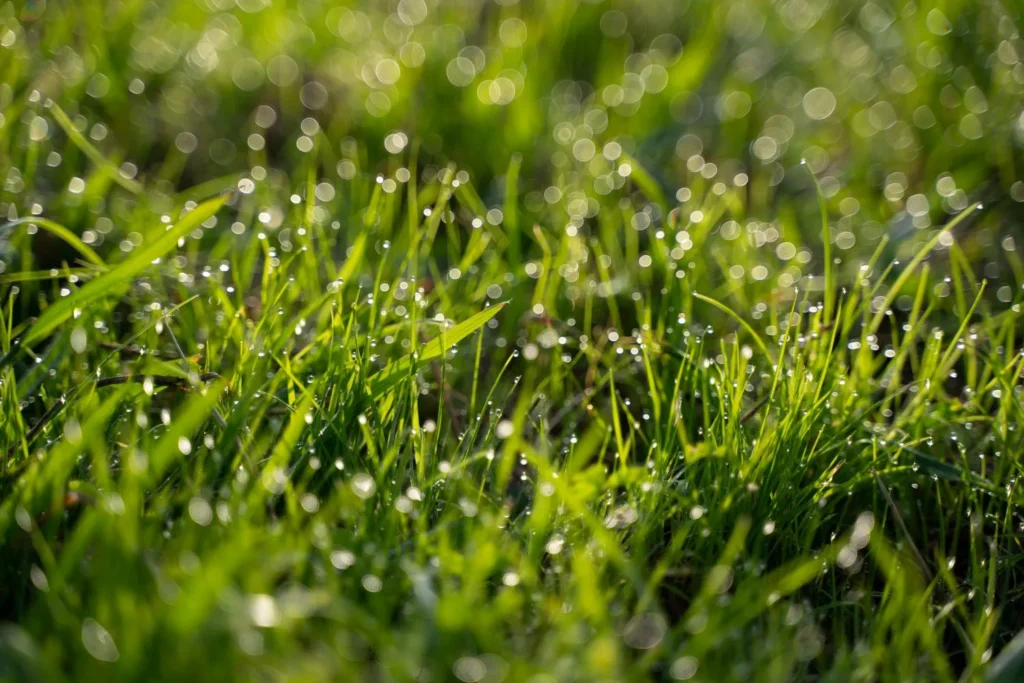
Air circulation is one of the most overlooked factors in lawn health. Moving air accelerates evaporation and reduces moisture retention on leaf blades. Without airflow, surface moisture lingers.
In neighborhoods with dense landscaping or tight spacing between homes, airflow can be limited. That limitation extends leaf wetness and increases the risk of fungal infection.
Improving air movement around turf doesn’t eliminate dew, but it can shorten its duration. Even small improvements can significantly reduce disease pressure over time.
The Relationship Between Dew Duration and Disease Pressure
When moisture remains on grass blades for extended periods, pathogens gain consistent opportunities to infect. Disease pressure builds not from a single wet morning, but from repeated cycles of prolonged leaf wetness.
Warm-season grasses common in Cumming already operate under stress during summer heat. Adding daily fungal exposure increases vulnerability. This combination of high humidity levels and extended dew duration creates ideal conditions for turf disease outbreaks.
Managing morning moisture becomes a preventive rather than a reactive strategy.
Evapotranspiration and Natural Drying Cycles
Evapotranspiration describes the combined process of water evaporation from soil and transpiration from plant tissue. In humid climates, evapotranspiration slows because the surrounding air already holds high moisture content.
When evaporation slows, morning moisture remains longer on grass blades. That delay prolongs leaf wetness and increases the duration of surface moisture.
Sunny mornings with light wind accelerate drying. Overcast, still mornings extend the dew presence. Recognizing these patterns helps homeowners understand why some weeks feel more disease-prone than others.
Surface Moisture vs. Soil Moisture
It’s important to distinguish between soil moisture and surface moisture. While soil hydration supports root development, surface moisture primarily affects leaf health.
Even when soil drainage functions properly, surface leaf wetness may persist; that’s why reducing irrigation alone doesn’t always solve disease pressure.
Dew duration relates specifically to how long blades stay wet above ground. Addressing this issue requires understanding environmental factors rather than simply adjusting fertilizer timing.
Why Morning Sunlight Matters
Early sunlight plays a crucial role in drying turf. Direct rays warm leaf surfaces and encourage evaporation. In shaded yards, however, sunlight may reach the lawn later in the day.
Delayed sunlight exposure significantly extends thedew duration. If shade lingers until mid-morning, leaf wetness can persist for hours longer than in open yards.
Tree-heavy neighborhoods in Cumming often experience this pattern. The same trees that provide aesthetic value also influence moisture retention patterns.
Recognizing the Signs of Prolonged Dew Duration
You may not measure dew time directly, but you can observe its impact. Signs of extended leaf wetness include recurring fungal spots, localized thinning, and areas that feel damp long after sunrise.
Additionally, turf may appear slightly matted or flattened in the mornings. Persistent moisture can also increase the presence of algae in heavily shaded areas.
These symptoms suggest surface moisture is lingering long enough to influence turf health.
How Dew Duration Interacts with Other Stressors
No lawn issue exists in isolation. High humidity levels, poor air circulation, and elevated nighttime temperatures combine to create compounded environmental stress.
When dew duration overlaps with high nitrogen levels or dense growth, fungal risk intensifies further. Thick canopies trap moisture and reduce airflow, increasing moisture retention.
Understanding these overlapping factors allows for smarter long-term management.
The Role of Preventative Awareness
You cannot eliminate dew. However, recognizing its impact enables preventive adjustments. Awareness of humidity patterns, microclimate differences, and airflow limitations helps homeowners make informed decisions.
Proactive evaluation reduces disease pressure before outbreaks occur. Rather than reacting to visible turf disease, managing leaf wetness helps protect plant resilience.
In Cumming’s humid environment, prevention always beats correction.
Protect Your Lawn from Hidden Morning Moisture
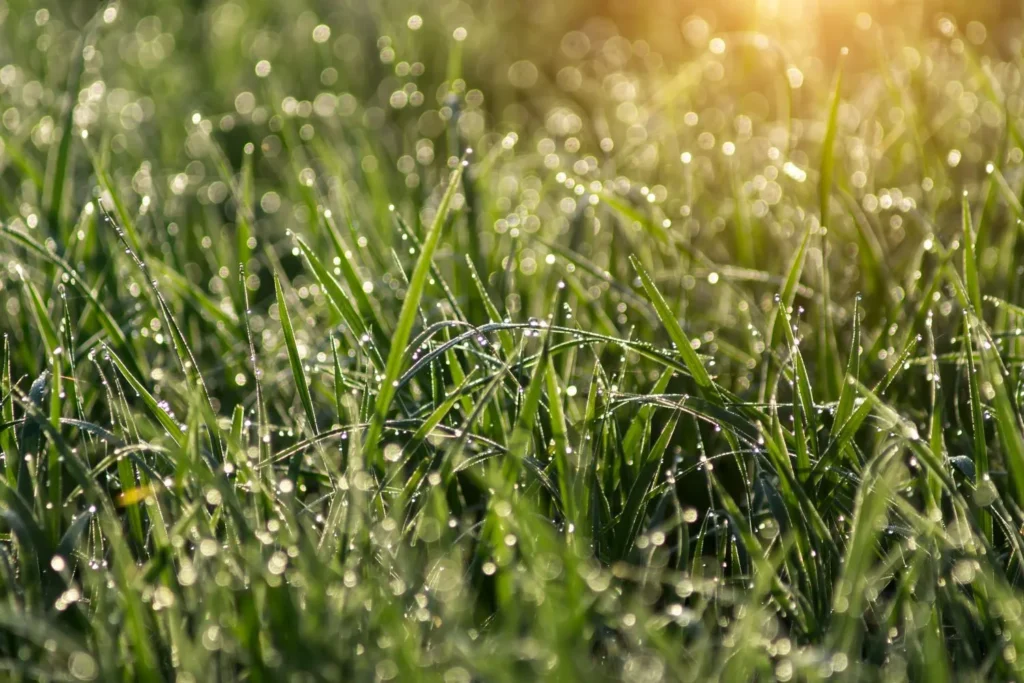
If your lawn struggles with recurring fungal issues or unexplained thinning, dew duration may be playing a larger role than you realize. At Weed Pro, we assess environmental conditions, airflow patterns, and moisture retention factors that influence leaf wetness each morning.
Contact us today to schedule a professional evaluation. Our team can identify microclimate issues and develop a plan to reduce fungal risk while strengthening plant resilience. Don’t let unseen morning moisture quietly undermine your lawn’s health.
Frequently Asked Questions
Does mowing in the morning increase fungal risk?
Mowing while the blades are wet can spread fungal spores more easily across the turf. Waiting until leaf surfaces dry reduces the potential for cross-contamination.
Can artificial lighting influence dew duration?
Artificial lighting does not significantly affect dew formation. Dew results primarily from changes in temperature and humidity rather than from light exposure alone.
Are certain turf varieties more resistant to prolonged leaf wetness?
Yes, some cultivars exhibit greater disease resistance under humid conditions. However, no variety is immune to extended moisture exposure.
Up Next: When Lawn Replacement Becomes the Smarter Choice
Now that you understand how dew duration impacts lawn health in Cumming’s humid mornings, it’s time to explore a bigger decision. Next Read: When Lawn Replacement Makes More Sense Than Maintenance in Cumming Yards