Key Takeaways
- Mosquitoes develop through four stages, and each stage presents a different opportunity for control
- Standing water is the single biggest factor that allows mosquito populations to grow
- Targeting larvae and breeding sites is more effective than reacting only to adult mosquitoes
- Consistent prevention combined with professional treatments delivers the most reliable, season-long relief
How Knowing Where Mosquitoes Come From Helps You Stop Them
Mosquitoes are more than just an outdoor nuisance. They disrupt backyard time, reduce comfort, and pose real health risks. Understanding how mosquitoes develop, from egg to adult, gives homeowners a practical advantage. When you know where mosquitoes come from and how they survive, you can take smarter steps that actually reduce populations instead of just reacting to bites.
This guide explains the mosquito lifecycle in clear terms, shows why each stage matters for control, and outlines how prevention and professional services work together to keep your yard more comfortable throughout the season.
What Are the Four Stages of the Mosquito Life Cycle?
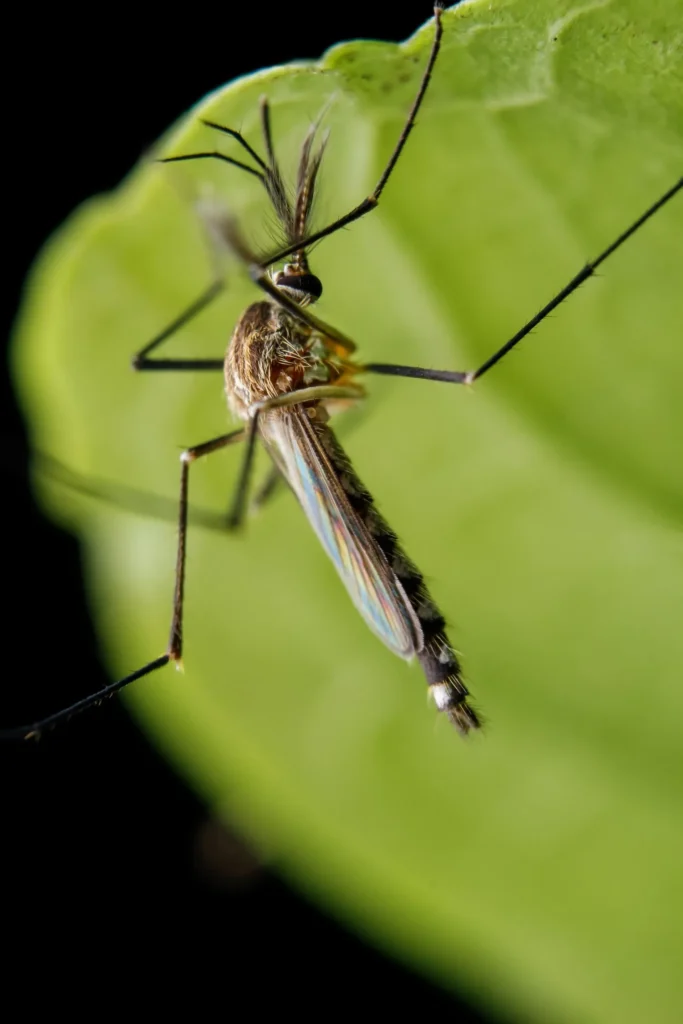
Mosquitoes follow a predictable, four-stage life cycle: egg, larva, pupa, and adult. Each stage happens quickly under warm, wet conditions, which is why mosquito problems can escalate quickly after rain.
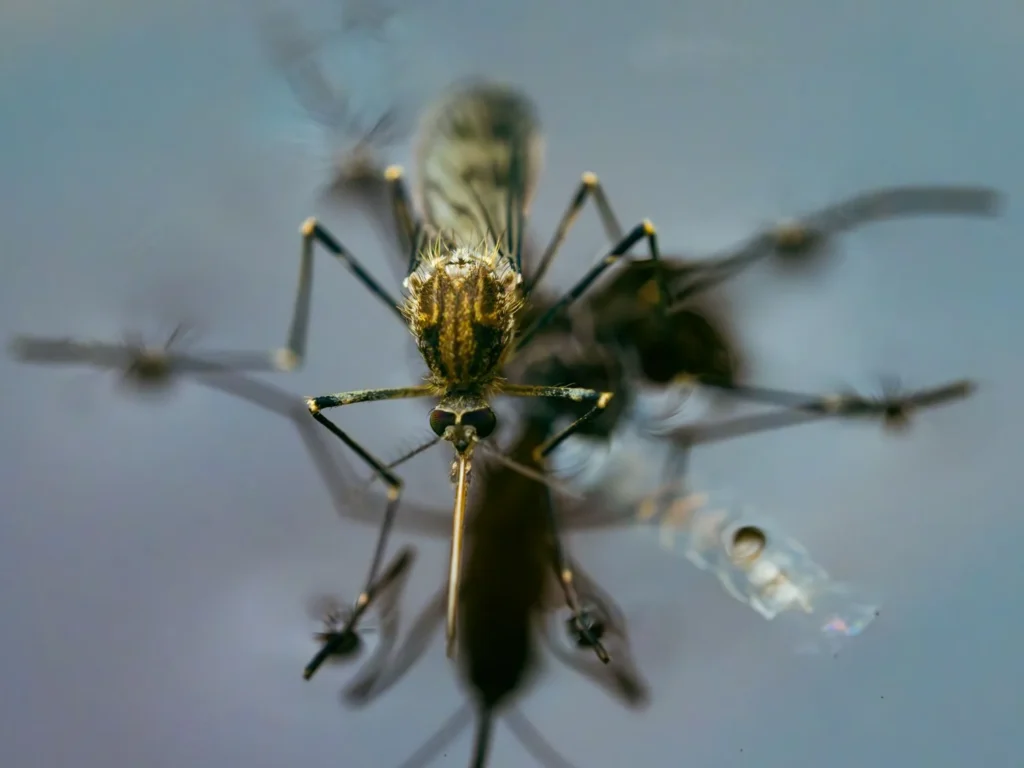
- The egg stage begins when a female lays eggs in or near standing water. Some species lay eggs directly on water surfaces, while others deposit them on damp soil or container walls just above the waterline. These eggs can survive dry periods and hatch when water returns, making them difficult to eliminate once established.
- After hatching, mosquitoes enter the larval stage. Larvae live entirely in water and feed on organic debris and microorganisms. This stage is one of the easiest to control because larvae are confined to specific water sources and cannot escape treatment.
- The pupal stage is a short transitional phase where the mosquito prepares to become an adult. Pupae do not feed but remain active near the water surface. Once this stage is complete, the adult mosquito emerges.
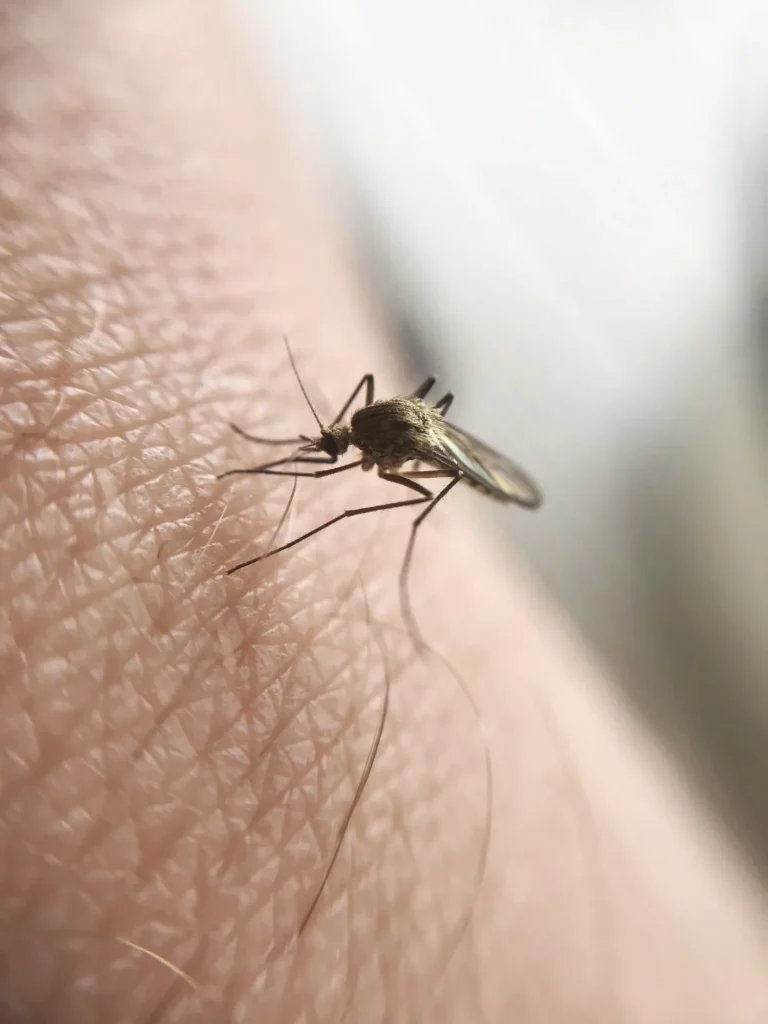
- Adult mosquitoes are the flying insects responsible for bites. Female mosquitoes seek blood meals to produce eggs, restarting the cycle. At this point, control becomes more difficult because adults can move freely across properties.
Understanding which stage is present helps determine the most effective control strategy at any given time.
Where Mosquitoes Lay Eggs and Common Breeding Sites Around Homes
Mosquito breeding almost always starts with standing water. Even small, overlooked sources can support hundreds of larvae.
Around residential properties, breeding sites often include bird baths, plant saucers, clogged gutters, buckets, toys, and low areas where water collects after rain. Some mosquito species require only a few days of standing water to complete early development stages.
Routine yard inspections make a meaningful difference. Removing or treating these water sources interrupts the mosquito lifecycle before populations grow. Consistency matters more than intensity; weekly checks are often enough to prevent major outbreaks.
How to Identify Mosquito Larvae in Your Yard
Mosquito larvae, commonly called wrigglers, are easy to identify once you know what to look for. They appear as thin, elongated bodies moving just below the water surface in an S-shaped motion.
Larvae feed near the surface and must return regularly to breathe through a small siphon. This behavior makes them especially vulnerable to surface treatments and physical controls that interfere with respiration.
Finding larvae in standing water is a warning sign that adult mosquitoes will soon follow. Treating or removing that water source at this stage is one of the most effective actions a homeowner can take.
Why Mosquito Breeding Prevention Matters
Preventing mosquito breeding protects both comfort and health. Mosquitoes are known carriers of illnesses such as West Nile virus, Zika, dengue, and chikungunya, and even low local populations can pose risks.
Beyond health concerns, mosquitoes make outdoor spaces feel less usable. Decks, patios, gardens, and play areas quickly become unpleasant when mosquito activity is high. Prevention keeps those areas functional instead of avoided.
Addressing breeding early also reduces the need for repeated adult treatments later in the season, making prevention both practical and cost-effective.
How Eliminating Standing Water Disrupts the Mosquito Lifecycle
Standing water removal is the most reliable way to interrupt mosquito development. Eggs, larvae, and pupae all depend on stagnant water to survive.
Regularly emptying containers, cleaning gutters, maintaining bird baths, and managing drainage issues removes the environments mosquitoes need to reproduce. Pools and water features should be properly maintained so that water stays circulating and treated.
When water sources cannot be eliminated, targeted treatments can prevent larvae from maturing. Combining removal with treatment delivers the strongest results.
| Weed Pro Lawn Care: Local Lawn & Outdoor Pest Experts Reliable Service Backed by Results You Can See Choose the Right Lawn Care Solution for Your Property: – Complete Lawn Care Programs: Ongoing, customized lawn care plans designed to strengthen turf, improve soil health, and reduce weeds. – Targeted Weed & Pest Control: Focused solutions for persistent lawn weeds, invasive pests, and seasonal pressures such as mosquitoes and surface insects. – Irrigation & Lawn Health Support: Professional support for irrigation efficiency, aeration, overseeding, and soil conditioning to improve water absorption, reduce runoff, and help lawns recover from compaction, disease, or environmental damage. Customer Praise:“Easy and quick set-up. Immediate results. I have been trying and failing little by little to maintain my yard over the past three years. Weed pro came in and turned the yard around in 6 months. Thank you Weed Pro Lawn care for excellent and affordable lawn care.” – Antonio Rizzo Why Homeowners Choose Weed Pro Lawn Care: – Locally owned and operated, serving North Georgia communities – Experienced technicians trained in region-specific lawn and pest challenges – Customized service plans based on property conditions, not one-size-fits-all programs – Environmentally responsible treatments with a focus on long-term lawn health – Clear communication, reliable scheduling, and service you can trustSchedule your Service Today! |
Natural Yard Practices That Support Mosquito Reduction
Natural approaches can help reduce mosquito pressure when used alongside prevention. Proper plant spacing improves airflow and reduces humid resting areas. Keeping grass trimmed and vegetation maintained limits shaded hiding spots for adult mosquitoes.
Certain plant oils and natural products can temporarily deter mosquitoes, but they work best as part of a broader strategy rather than as standalone solutions. Source reduction remains the foundation of effective control.
How Professional Mosquito Control Fits Into the Lifecycle Approach
Professional mosquito services focus on interrupting the lifecycle at multiple points. Instead of reacting only to adult mosquitoes, treatments are planned around breeding patterns, environmental conditions, and seasonal activity.
A professional program typically begins with a property inspection to identify water sources, resting areas, and high-risk zones. Treatments are then applied to reduce both adult mosquitoes and immature stages where appropriate. Ongoing service maintains control as conditions change through the season.
This layered approach delivers more consistent, longer-lasting relief than isolated homeowner efforts.
Take Control of Mosquitoes Before They Take Over
Mosquito problems rarely resolve on their own, especially once breeding is established. Learning the mosquito lifecycle gives you clarity, but consistent action is what delivers results. When prevention alone is not enough, professional mosquito control provides the structure, timing, and coverage needed to keep populations low.
Weed Pro Lawn Care offers mosquito control programs designed around lifecycle-based strategies, local conditions, and responsible application methods. Our team starts with a thorough property assessment and builds a plan that targets breeding areas and active zones throughout the season. If you want to reclaim your outdoor space and enjoy your yard without constant bites, contact us today to schedule an evaluation and discuss treatment options.
Frequently Asked Questions
How long does the mosquito lifecycle take from egg to adult?
Under warm conditions, mosquitoes can develop from egg to adult in as little as seven to ten days. Rainfall and temperature play a significant role in how quickly populations grow. That short cycle is why prevention and early intervention matter so much.
Is killing adult mosquitoes enough to control a population?
Adult control alone provides temporary relief but does not stop new mosquitoes from emerging. Eggs and larvae left untreated will continue developing and replace adults quickly. Long-term control requires addressing breeding sites and immature stages.
Can mosquitoes breed in very small amounts of water?
Yes, mosquitoes can breed in surprisingly small volumes of water. Even shallow puddles, bottle caps, or plant saucers can support larvae. Regular inspections and water management are essential for effective control.
Continue Learning About Mosquito Control
Continue to the next article in this series: Mosquito Insecticides: How They Work, What’s Safe, and Why They Matter, where we break down treatment types, safety considerations, and how to choose the right approach for your yard.