Key Takeaways:
- Mosquito insecticides target specific stages of the mosquito lifecycle, making timing and product choice critical for effective control.
- Adulticides reduce active, biting mosquitoes, while larvicides stop new mosquitoes from developing in standing water before they become a problem.
- Modern residential mosquito treatments use products designed to be effective at low doses and applied only where mosquitoes live and rest.
- Safety depends on proper application, drying time, and avoiding unnecessary exposure — professional services follow these standards to protect families, pets, and pollinators.
- Combining targeted insecticide use with breeding-site reduction delivers longer-lasting relief than one-time or DIY treatments alone.
What Homeowners Should Know About Mosquito Insecticides
Mosquito insecticides are an important tool for reducing populations that spread illnesses such as West Nile virus, Zika, dengue, and chikungunya. When used correctly, they help protect families, improve outdoor comfort, and limit disease risk without unnecessary exposure to people, pets, or the environment. Understanding how different insecticides work and when to use them allows homeowners to make informed decisions rather than rely on guesswork or overuse.
This guide explains the main types of mosquito insecticides used in residential settings, how they target different stages of the mosquito lifecycle, and why professional application often leads to safer, more reliable results.
Understanding the Main Types of Mosquito Insecticides
Residential mosquito control relies on a small group of insecticide categories, each selected for a specific role. Modern programs focus on targeted products that work at low doses and are applied only where mosquitoes live and breed.
Adult mosquito control typically uses pyrethroid-based products designed to affect flying, biting mosquitoes resting on vegetation. Larval control relies on insecticides applied to standing water to stop mosquitoes before they ever take flight. Older chemistries with higher toxicity are now rarely used in residential environments due to safety and regulatory concerns.
Knowing which products are being used, and why, helps homeowners understand what their treatment is accomplishing.
How Pyrethroid Insecticides Control Adult Mosquitoes
Pyrethroid insecticides disrupt the mosquito nervous system, causing paralysis and death shortly after contact. They are modeled after naturally occurring compounds found in chrysanthemum flowers and are engineered to remain effective outdoors while breaking down over time.
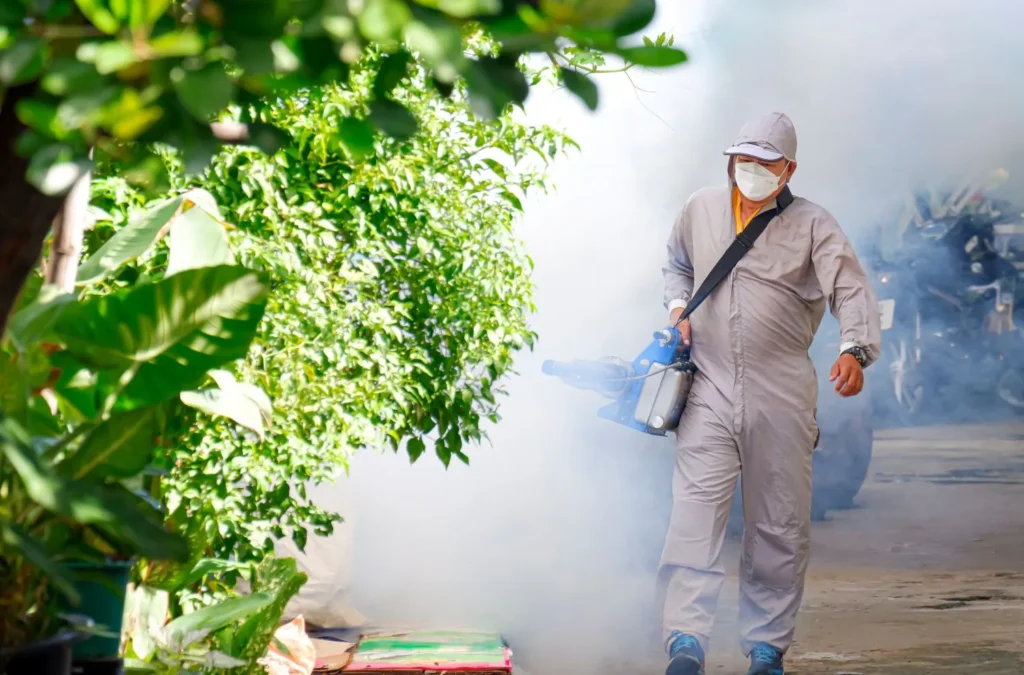
When applied according to label directions, pyrethroids present a low risk to people and pets. Professional treatments focus on shaded foliage, shrubs, and perimeter areas where mosquitoes rest, rather than open lawn space. Allowing the product to dry before re-entering the yard is a standard safety practice that further reduces exposure.
Why Organophosphate Insecticides Are Rare in Residential Use
Organophosphates interfere with enzymes essential to normal nerve function and are highly effective at killing insects. However, they also pose greater risks to humans, pets, and non-target organisms if misused.
Because of these risks, organophosphates are generally excluded from residential mosquito programs and are limited to controlled public-health or agricultural applications. Their reduced use reflects a shift toward safer, more targeted mosquito control strategies.
| Weed Pro Lawn Care: Local Lawn & Outdoor Pest Experts Reliable Service Backed by Results You Can See Choose the Right Lawn Care Solution for Your Property: – Complete Lawn Care Programs: Ongoing, customized lawn care plans designed to strengthen turf, improve soil health, and reduce weeds. – Targeted Weed & Pest Control: Focused solutions for persistent lawn weeds, invasive pests, and seasonal pressures such as mosquitoes and surface insects. – Irrigation & Lawn Health Support: Professional support for irrigation efficiency, aeration, overseeding, and soil conditioning to improve water absorption, reduce runoff, and help lawns recover from compaction, disease, or environmental damage. Customer Praise:“Easy and quick set-up. Immediate results. I have been trying and failing little by little to maintain my yard over the past three years. Weed pro came in and turned the yard around in 6 months. Thank you Weed Pro Lawn care for excellent and affordable lawn care.” – Antonio Rizzo Why Homeowners Choose Weed Pro Lawn Care: – Locally owned and operated, serving North Georgia communities – Experienced technicians trained in region-specific lawn and pest challenges – Customized service plans based on property conditions, not one-size-fits-all programs – Environmentally responsible treatments with a focus on long-term lawn health – Clear communication, reliable scheduling, and service you can trustSchedule your Service Today! |
Larvicides vs Adulticides: Why Both Matter
Mosquito control works best when it addresses multiple stages of the insect’s life cycle. Adulticides reduce the number of biting mosquitoes you see and feel, while larvicides prevent future generations from developing.
Larvicides are applied to standing water where mosquito larvae live. Products such as bacterial larvicides specifically target mosquito larvae without harming fish, birds, or mammals when used properly. Adulticides are applied to vegetation and resting areas to reduce active adult populations and provide immediate relief.
Using both methods together creates longer-lasting control than relying on either approach alone.
When and Where Larvicides Are Most Effective
Larvicides should be applied to water sources that cannot be drained or eliminated, such as ornamental ponds, bird baths, drainage areas, and shaded low spots. Early-season application is especially important because it prevents population buildup before peak mosquito activity.
Regular inspections after rainfall help identify new breeding sites. Treating larvae early significantly reduces the number of adult mosquitoes later in the season.
Safety Practices That Protect Families, Pets, and Pollinators
Modern mosquito programs prioritize safety through targeted application, proper timing, and product selection. Homeowners are advised to keep children and pets away during treatment and until surfaces are dry, remove uncovered water sources, and follow re-entry instructions.
Professional applicators also avoid spraying flowering plants when pollinators are active and rely on larvicides that pose minimal ecological risk. These steps balance effective control with environmental responsibility.
A Smarter Way to Protect Your Outdoor Space
Mosquito control is most effective when it’s planned, targeted, and based on how mosquitoes actually live and reproduce. Relying on random sprays or one-time treatments often leads to inconsistent results and repeated frustration. Working with a professional mosquito control provider lets you address both active mosquitoes and potential breeding sites before populations explode.
Weed Pro Lawn Care offers mosquito control services built around inspection, responsible product selection, and season-long monitoring. If mosquitoes are limiting how you use your yard, contact us to schedule an assessment and learn what a tailored mosquito control plan would look like for your property.
Frequently Asked Questions About Mosquito Insecticides
Are mosquito insecticides safe for children and pets?
When applied according to label directions and professional guidelines, mosquito insecticides used in residential settings are considered low risk. Re-entry times allow products to dry and settle before normal activity resumes. Professional application further reduces risk by limiting treatment areas and avoiding unnecessary exposure.
Do mosquito sprays kill all insects in the yard?
Mosquito treatments are designed to target mosquitoes in their resting areas, not blanket the entire landscape. Licensed professionals apply products selectively and avoid flowering plants to protect pollinators. This targeted approach minimizes impact on beneficial insects while controlling mosquitoes.
How long do mosquito insecticide treatments last?
The effectiveness of treatments depends on product choice, weather, and mosquito pressure. Barrier sprays often reduce activity for several weeks, while larvicides continue working in water sources as long as conditions allow. Ongoing service provides the most consistent control throughout the season.
Continue Learning About Mosquito Protection
To see how mosquito control fits into a complete safety and prevention strategy, continue reading How Mosquito Control Keeps Your Family Safe: Practical, Effective Solutions for Homeowners. This next article explains how professional mosquito management reduces health risks and improves long-term outdoor living.