What is the average price of a lawn repair program in Atlanta? Depending on the size of the lawn and the level of severity, homeowners may spend between $100 and $300 per month on their comprehensive turf renovation program. The post will guide you through what an Atlanta lawn repair program entails, the average prices for services such as weed control, fertilization, aeration, pest treatment, and sod repair, how common grass types affect lawn repair, and how to hire a professional.
What Is Included in an Atlanta Lawn Repair Program?
A lawn repair program in Atlanta is essentially a series of carefully planned services designed to repair the turf, amend the soil, and control weeds and pests. The program aims to enhance grass regrowth through a combination of lawn assessments, individualized treatments, and regular follow-up visits. The following factors are taken into account:
- Assessment of property and soil testing: assess pH levels, nutrient levels, and drainage issues.
- Personalized plan for treatment: addresses weeds, pests, lawn diseases, bare spots, and other issues.
- Scheduled treatment applications: fertilization, weed remediation, disease remediation, and overseeding.
- Monitoring and follow-up visits: Make any necessary adjustments based on turf response and weather conditions.
These interventions work in a coordinated manner to increase turf density and resilience, leading to specific lawn issues you will often see and will be targeted with an Atlanta lawn repair program.
What Lawn Issues Does the Program Typically Fix in Atlanta?
Atlanta’s humid subtropical climate creates an environment that fosters pest infestations, diseases, and bare spots, leading to decreased turf quality. The following are some of the types of issues you will see:
- Fall Armyworm Infestation
- Brown Patch and Large Patch
- Bare Spots due to pet damage or soil compaction.
- Poor Drainage leading to puddles and root rot.
Resolving each issue promptly maintains root health and prevents further spread.
How Much Does Weed Control Cost in Atlanta?
The cost for weed control in the Atlanta metro area typically ranges from $40 to $80 per treatment, depending on the size of the lawn and severity of the weeds. Licensed technicians apply selective herbicides and pre-emergents that prevent weeds from germinating and protect newly planted grass.
What Are Typical Lawn Fertilization Prices in Atlanta?
One visit to fertilize costs between $50 and $100, depending on the type of slow-release granular or specialty fertilizer. The time of the year when the application occurs is essential for the Bermuda, Zoysia, and Fescue lawns. Fertilization should occur in early spring, summer, and early fall to ensure that the plant can take up the nutrients when it is actively growing.
How Much Does Lawn Aeration and Overseeding Cost?
Aeration and overseeding come at a cost range of $75 to $150 per service. Aeration enhances soil oxygenation, facilitates water infiltration, and promotes seed-to-soil contact. Homeowners can achieve a thicker turf and reduced compaction by aerating their lawn at least once a year.
What Are the Costs for Pest and Disease Control in Atlanta?
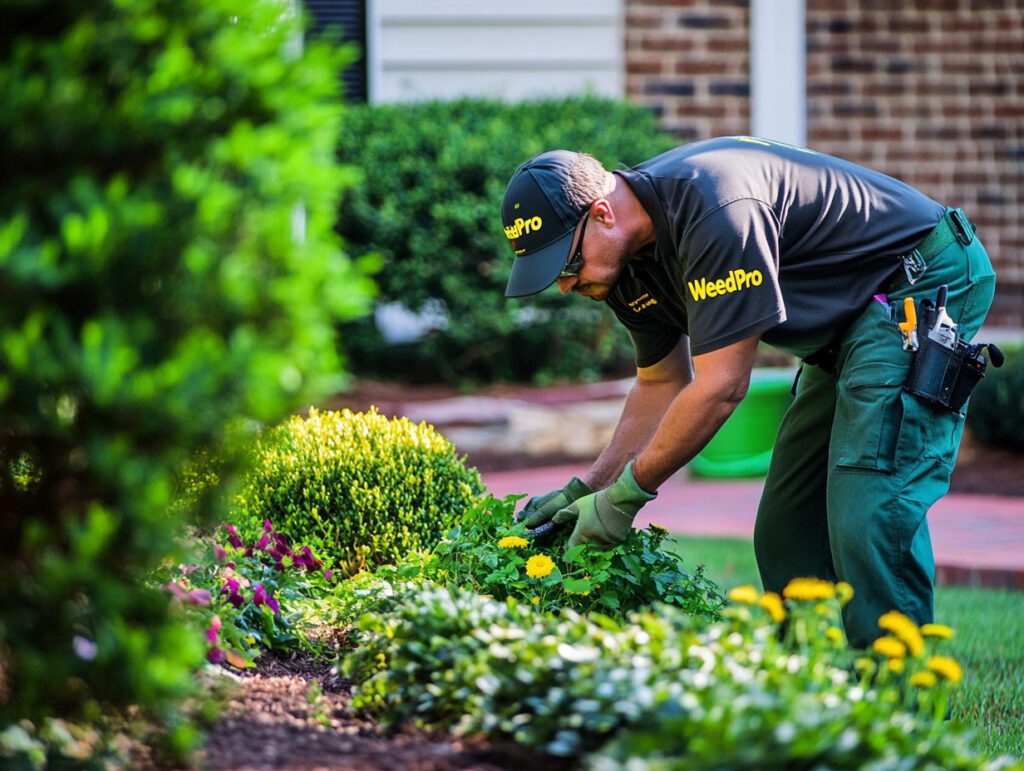
Targeted pest and disease variation visit/infestation costs typically range between $60 and $120 per treatment. Generally, we treat for armyworms, grubs, brown patch, and zoysia patch. Homemade pest sprays and soil drenches protect grass blades and roots from damage, deterring further harm to turf surfaces.
How Much Does Sod Installation and Bare Spot Repair Cost?
Installing sod or repairing bare patches can cost between $1.50 and $3.00 per square foot and typically includes preparing the soil, leveling surfaces, and, of course, laying sod in place. This will provide instant green cover and stabilize a spot prone to erosion or wear.
Common Grass Types in Atlanta
| Grass Type | Repair Priority | Key Consideration |
|---|---|---|
| Bermuda | High aeration need | Strong heat tolerance, rapid spread |
| Zoysia | Disease management | Susceptible to Zoysia patch |
| Fescue | Overseeding frequency | Thrives in cooler months |
This overview highlights the next sections on specific grass-type maintenance.
What Are the Repair Needs for Bermuda Grass in Atlanta?
Bermudagrass requires routine aeration to relieve soil compaction and stimulate vigorous rhizome growth. Additionally, fertilizing in the summer and controlling summer weeds will help maintain dense cover and improve drought resistance.
How Is Zoysia Grass Repaired and Maintained in Atlanta?
Allow targeted large-patch disease treatments in late winter on Zoysia grass, as this is most effective, followed by balanced fertilization in spring. Overseeding in thin areas after aeration will also help maintain turf continuity and reduce weed encroachment.
What Should Homeowners Know About Fescue Lawn Repair in Atlanta?
Fescue blends will require overseeding in the fall and irrigation with moderate amounts during summer heat stress. Early diagnosis of dollar spot and brown patch solutions should be followed by application of fungicides to maintain cool-season green during the summer.
What Should Homeowners Expect When Hiring a Professional Lawn Repair Service in Atlanta?
Hiring a professional service sets an expectation for performance, transparent pricing, and anticipated timelines. Ultimately, the service is a full circle, encompassing an on-site assessment, consistency in treatment plans, and routine follow-ups to ensure expectations are met. This enables the service to assist homeowners with repairs and solutions.
What Happens During the Initial Lawn Assessment?
During the first site visit, the company will take soil samples for pH and nutrient analysis, visually map the area of concern, and measure turf density again. The assessment process will help narrow treatment options and reduce the cost to the homeowner.
How Is a Customized Lawn Repair Plan Developed?
The technicians will utilize weather-related information, along with the assessment details, to identify a recommended treatment that includes herbicides, fertilizers, aeration, overseeding, among other options. Up-front pricing and frequency of service will be outlined so homeowners are aware of what to expect.
What Is the Typical Treatment and Follow-Up Schedule?
Most repair programs require monthly visits during the growing season, with higher treatment frequencies in spring, the first part of summer, and fall. The service will follow up with phone calls and, at times, provide unlimited service calls to rectify any issues at no additional cost.
Repair Lawns the Smart Way

When you finally reach a point that DIY won’t suffice, there’s no turning back to typical lawn maintenance. Repair, also referred to as lawn restoration, is a comprehensive program for full lawn restoration. Atlanta offers a comprehensive lawn repair service that addresses soil issues, reseeding, pest control, and ongoing lawn maintenance. You can expect prices to vary as much as the variables; however, the values lie in professional services and long-term results. The information provided should help homeowners decipher pricing before becoming financially obligated. Remember: lawn repair is not just about improving the aesthetic appearance of the lawn; it is about developing a resilient, functional, and healthier lawn and yard. Knowing what is involved in a service you are considering can lead to a positive investment that meets both your needs and budget.
In conclusion, please contact WeedPro to learn more about your service options for lawn repair, including a customized plan that meets the specific requirements of your property & budget.
FAQs
Are lawn repair programs customizable?
Yes, repair plans are designed to match your lawn’s condition and your long-term goals. Homeowners can prioritize specific treatments based on their budget and lawn needs.
How long does it take to see results from repair programs?
Most homeowners notice visible improvements within one growing season. Continued care and maintenance maximize results, creating long-lasting improvements in both lawn health and appearance.
Keep Growing Your Knowledge with Expert Lawn Tips
This may be the last article in the series, but it’s not the end of your learning. Explore the WeedPro Blog for expert insights, seasonal tips, and proven lawn care strategies for Atlanta homeowners.