Key Takeaways
- Lawn replacement can be more practical than repeated short-term fixes.
- Chronic thinning and turf decline often signal deeper structural problems.
- Soil failure and compaction layers limit long-term viability.
- Resodding may restore stability more quickly than ongoing patchwork repairs.
- Knowing when to pivot saves both time and renovation costs.
When Maintenance Stops Moving the Needle
Most homeowners prefer maintenance over major change. Fertilize, water, overseed, adjust mowing height; repeat. That routine works for many lawns. However, there comes a point when Lawn Replacement makes more sense than continuing to treat symptoms.
In Cumming, certain yards reach a tipping point where maintenance no longer delivers meaningful improvement. At Weed Pro, we often evaluate lawns showing persistent turf decline despite consistent care. When structural damage beneath the surface outweighs surface-level treatments, replacing the lawn can be the more efficient long-term solution.
Maintenance preserves strength. Replacement rebuilds it.
Understanding Turf Decline vs. Temporary Stress
Not every struggling lawn needs to be replaced. Distinguishing between temporary stress and true turf decline is critical. Stress appears seasonally and often resolves with environmental shifts. Decline, however, deepens year after year.
Signs of ongoing turf decline include thinning areas that expand annually, weak recovery after favorable weather, and recurring grass dieback in the same zones. If density continues decreasing despite proper fertilization and irrigation, underlying conditions may be limiting long-term viability.
When decline becomes structural rather than seasonal, repair cycles lose effectiveness.
Soil Failure Is Often the Root Cause
Above-ground symptoms often result from soil conditions. Soil failure develops when compaction layers restrict root expansion, drainage patterns break down, or nutrient availability remains chronically imbalanced. These conditions weaken turf stability from below.
Compacted soil reduces oxygen flow, slowing root respiration and limiting root development. Over time, this leads to shallow systems vulnerable to drought and heat stress. Even with proper maintenance, structural damage below the surface prevents consistent improvement.
Without correcting soil failure, maintenance becomes repetitive rather than restorative.
Chronic Thinning and Structural Damage
Chronic thinning rarely resolves on its own. When turf gradually loses density, root collapse may already be underway. Structural damage beneath the canopy often remains invisible until thinning becomes widespread.
In Cumming’s climate, repeated humidity, compaction, and seasonal stress can compound gradually. Each year of thinning reduces overall long-term viability. Eventually, re-sodding or complete lawn replacement may restore stability more efficiently than incremental patching.
Ignoring structural damage rarely improves outcomes.
When Re-Sodding Is the Practical Reset
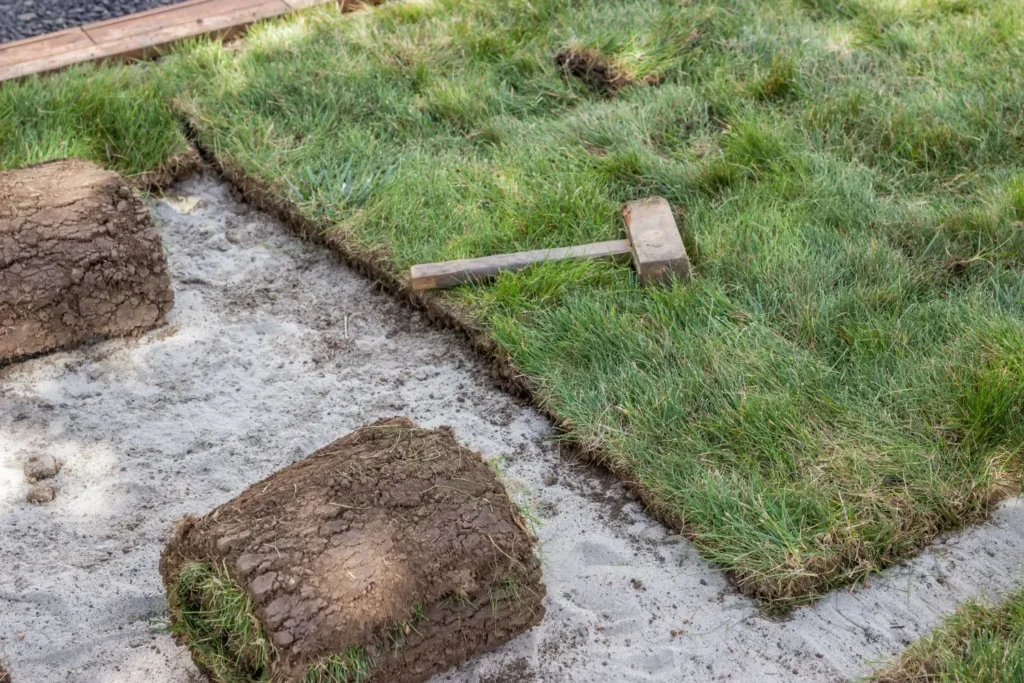
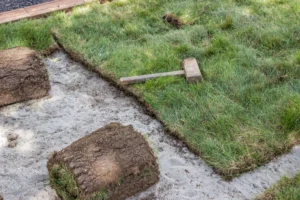
Re-sodding is not a shortcut; it is a reset. When soil conditions are corrected and compaction layers are addressed, installing new turf provides an opportunity to quickly rebuild density. In situations of severe turf decline, replacement accelerates recovery compared to years of overseeding attempts.
However, replacement should not occur without diagnosing root causes. Installing new sod over unresolved soil failure recreates the same issues. Successful lawn replacement depends on correcting structural limitations first.
Replacement works when foundation issues are addressed.
| Weed Pro Lawn Care: Local Lawn & Outdoor Pest Experts Reliable Service Backed by Results You Can See Choose the Right Lawn Care Solution for Your Property: –Complete Lawn Care Programs: Ongoing, customized lawn care plans designed to strengthen turf, improve soil health, and reduce weeds. –Targeted Weed & Pest Control: Focused solutions for persistent lawn weeds, invasive pests, and seasonal pressures such as mosquitoes and surface insects. –Irrigation & Lawn Health Support: Professional support for irrigation efficiency, aeration, overseeding, and soil conditioning to improve water absorption, reduce runoff, and help lawns recover from compaction, disease, or environmental damage. Customer Praise:“Communication with Jay is always perfect. After a service, I always get a detailed report with suggestions for my lawn. My lawn looks great and all I have to do is water it!” – Rita P. Why Homeowners Choose Weed Pro Lawn Care: -Locally owned and operated, serving North Georgia communities -Experienced technicians trained in region-specific lawn and pest challenges -Customized service plans based on property conditions, not one-size-fits-all programs -Environmentally responsible treatments with a focus on long-term lawn health -Clear communication, reliable scheduling, and service you can trust Schedule your Service Today! |
Evaluating Renovation Costs vs. Maintenance Spending
Homeowners often hesitate because of renovation costs. However, repeated seasonal treatments, patchwork reseeding, and incremental corrections accumulate expenses over time. When maintenance spending approaches the cost of re-sodding without delivering stable improvement, replacement becomes financially rational.
Long-term evaluation matters more than single-season budgeting. If chronic thinning persists despite multiple interventions, those cumulative investments may exceed the cost of starting fresh.
Sometimes the most economical decision is a strategic restart.
Grass Dieback and Root Collapse Indicators
Grass dieback that recurs in the same locations year after year signals more than surface stress. It often indicates root collapse or compromised drainage. These areas may struggle regardless of watering schedule or fertilizer timing.
When dieback spreads to adjacent sections, structural issues are likely to deepen. Addressing compaction layers and soil preparation becomes necessary before long-term viability can be improved.
Persistent dieback rarely resolves through surface adjustments alone.
When Maintenance Still Makes Sense
Not every struggling lawn needs full replacement. Maintenance remains effective when turf retains structural integrity. If thinning is isolated, soil remains aerated, and roots extend deeply, ongoing care can restore performance.
Replacement becomes appropriate when deterioration affects large portions of the yard. If over half the lawn shows consistent turf decline and limited recovery, structural reset may be more efficient than prolonged repair.
Balance lies in accurate assessment.
Compaction Layers and Long-Term Viability
Compaction layers develop gradually from foot traffic, equipment use, and environmental pressure. These dense soil bands restrict root penetration and water infiltration. Over time, they reduce the long-term viability of turf systems.
Even aggressive fertilization cannot overcome physical barriers beneath the surface. Roots cannot expand through hardened soil. In these cases, lawn replacement paired with soil correction may restore full function more effectively than continued patching.
Healthy soil structure underpins sustainable growth.
Ready to Rebuild? Contact WeedPro Today
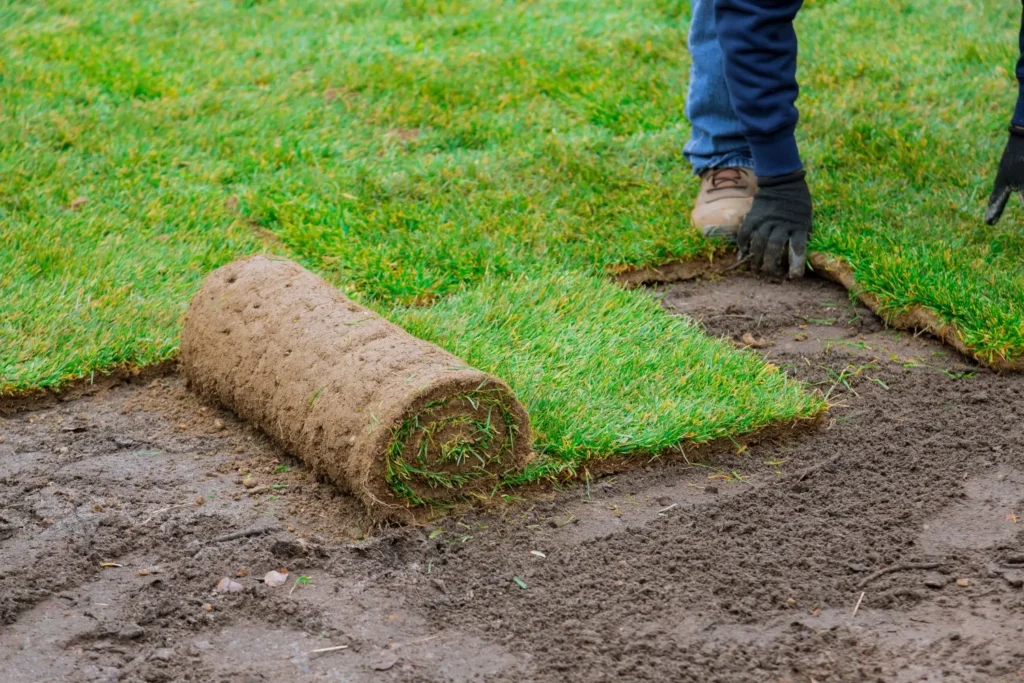
If your yard shows persistent turf decline, chronic thinning, or signs of soil failure, it may be time to consider lawn replacement. At Weed Pro, we assess root collapse, compaction layers, and long-term viability before recommending next steps.
Contact us today for a professional evaluation of your Cumming yard. Our team will determine whether continued maintenance makes sense or whether re-sodding provides a stronger foundation for lasting performance. Decide with clarity; not guesswork.
Frequently Asked Questions
How long does a full lawn replacement process typically take?
Most residential projects can be completed within a few days, depending on yard size and preparation requirements. Recovery time varies based on grass type and seasonal conditions.
Does replacement improve drainage automatically?
Not automatically. Proper grading and soil correction must occur before sod installation to improve drainage performance effectively.
Can replacing a lawn increase property value?
A healthy, uniform lawn often enhances curb appeal, which may positively influence property perception. However, long-term maintenance still determines sustained visual impact.
Up Next: The Hidden Battle Beneath the Soil
Now that we’ve explored when lawn replacement becomes the smarter choice, it’s time to examine a quieter issue affecting many Cumming yards. Next Read: How Tree Roots Compete With Turf in Cumming Without Obvious Warning Signs