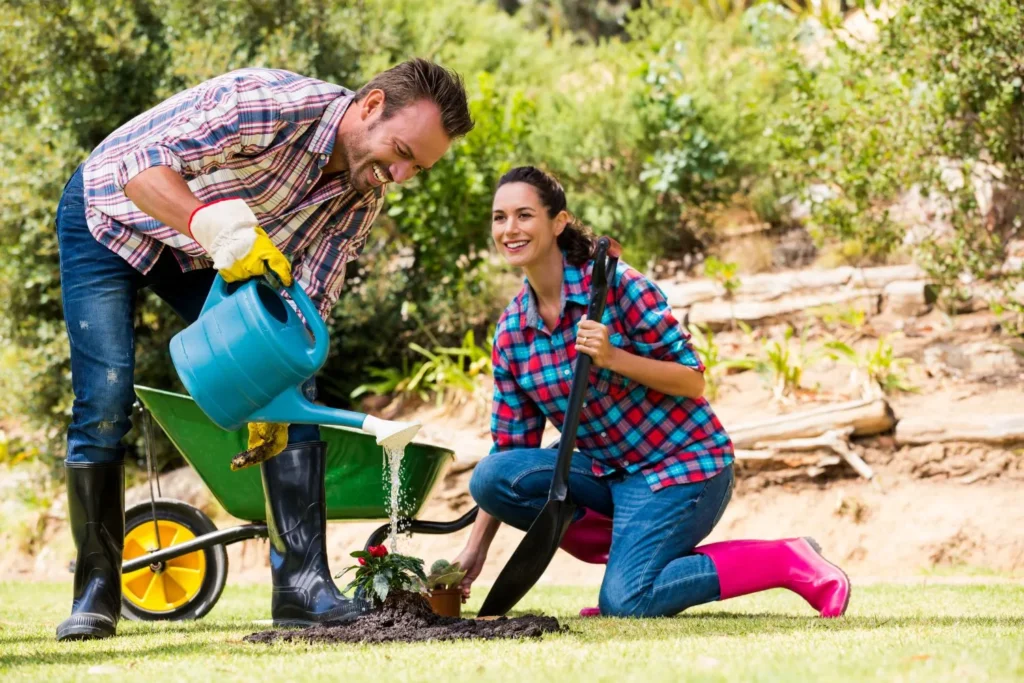
A thin, patchy lawn is frustrating. It makes mowing harder, hurts curb appeal, and can feel like a never-ending project. The good news? You don’t always need a full renovation to turn things around. With the right DIY lawn repair techniques, most Georgia homeowners can bring their yards back from “rough” to “respectable” in a few weekends.
Below, we’ll cover how to:
- Figure out why those bare spots are showing up
- Choose between seed and sod
- Use core aeration and topdressing to give new grass a fighting chance
- Follow a simple maintenance routine, so repairs actually stick
You’ll also see where it makes sense to call in a pro if your “DIY fixes” keep failing.
What’s Really Causing Those Bare Spots?
Before you grab seed or sod, it pays to step back and diagnose the problem. If you don’t fix the cause, the bare spots usually come right back.
Common reasons Georgia lawns thin out include:
- Summer heat and drought stress – Areas turn uniformly brown or gray-blue and recover slowly after rain.
- Pet urine – Small, round patches that look scorched with a greener ring around the outside.
- Soil compaction – Grass is thin, roots are shallow, and it’s hard to push a screwdriver into the soil.
- Grubs and other insects – Irregular patches that peel up like carpet; you may see white grubs in the root zone.
- Fungal disease – Rings, spots, or greasy-looking patches in warm, humid weather.
If you can answer “what caused this?”, you can choose a repair method that actually works:
- Treat grubs or disease before you reseed.
- Loosen compacted soil before you overseed a patchy lawn.
- Adjust irrigation for drought damage so you’re not repeating the same stress every summer.
Which DIY Repair Method Fits Your Lawn?
Not every bare spot needs the same approach. Think about size, cause, and how quickly you want results.
For small, high-visibility spots (a few square feet):
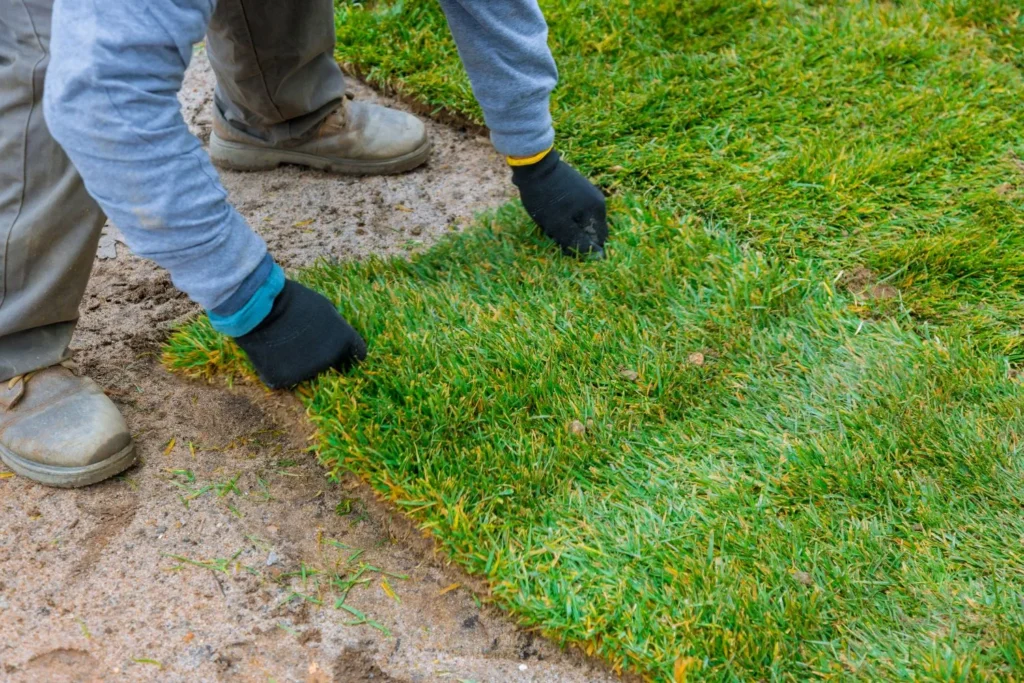
- Spot-sodding
- Fastest “instant green” option
- Match sod to your existing turf (Bermuda, Zoysia, or fescue)
- Best when you need a quick cosmetic fix
For scattered thin areas:
- Hand-seeding or patch mixes
- Cost-effective
- Great for dog spots, worn paths, and minor damage
- Works well if the soil is loosened and topdressed first
For a lawn that looks tired everywhere:
- Overseeding a patchy lawn
- Adds density across the whole yard
- Helps crowd out weeds over time
- Often paired with core aeration
For total do-over situations:
- Full sodding or renovation
- Higher upfront cost
- Best when the grass type is wrong, or damage is severe and widespread
If a spot has failed more than once after you seeded it, that’s your cue to check for compaction, pests, or irrigation problems before trying again.
How to Choose the Best Grass Seed for Georgia Lawns
Picking the right seed is one of the most important decisions you’ll make. The wrong grass type can leave you with permanent “patchwork.”
Here’s a quick guide:
| Grass Type | Best Season to Seed | Sun Tolerance | Maintenance Level |
| Bermuda | Late spring to early summer | Full sun | Moderate |
| Zoysia | Late spring to early summer | Full to partial sun | Moderate |
| Tall Fescue blend | Early fall or spring | Partial shade to sun | Higher (mowing/watering) |
A few simple rules:
- Match the seed to your existing turf and sun exposure.
- Use regionally adapted blends, not bargain-bin mixes.
- For shaded or transitional yards, tall fescue blends often perform better than warm-season grasses.
Search phrases like best grass seed for Georgia are helpful, but always read the label, look for named varieties and a high germination rate, not lots of filler.
Step-by-Step: How to Overseed a Patchy Lawn
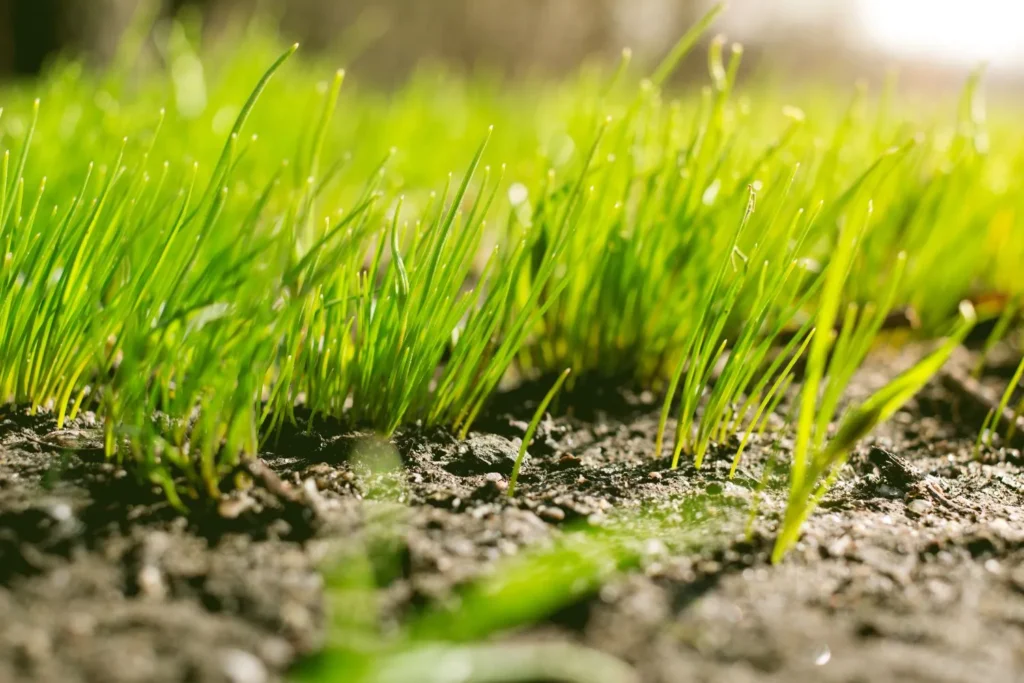
Overseeding is one of the best DIY lawn-repair techniques when your lawn is thin but not completely bare. Here’s a simple workflow most homeowners can handle:
- Mow Lower (Just This Once)
- Drop the mower a notch below your normal setting.
- Bag or rake up clippings so seed can reach the soil.
- Rake or Dethatch
- Remove dead grass and loosen the top ¼–½ inch of soil.
- For larger lawns, a rented dethatcher can speed things up.
- Aerate (Highly Recommended)
- Core aeration opens the soil so seed and water can reach the root zone.
- Focus on compacted or high-traffic areas.
- Spread the Seed Evenly
- Use a broadcast spreader for even coverage.
- Follow the rate on the bag, more isn’t better and can cause weak seedlings.
- Topdress Lightly
- Apply a thin layer of screened compost or topsoil (about ¼ inch).
- This improves seed-to-soil contact and helps retain moisture.
- Water Carefully
- Keep the seedbed moist with light, frequent watering (2–4 times per day) until germination.
- Then slowly transition to fewer, deeper waterings.
- Delay Weed Control
- Avoid non-selective herbicides until the new grass has been mowed at least 2–3 times.
Follow this process, and your overseeding project has a much better chance of turning into a thicker, more even lawn rather than another round of thin patches.
Aeration, Topdressing, and Other Prep Steps That Make Repairs Last
A great seed will still fail if it’s dropped onto hard, compacted soil. That’s why preparation matters as much as the seed itself.
How Aeration Helps Bare Spots Heal
Core aeration:
- Reduces compaction, especially in clay and high-traffic areas
- Creates channels for water, air, and nutrients
- Gives new roots loose soil to grow into
In Georgia:
- Aerate warm-season grasses (Bermuda/Zoysia) in late spring to early summer.
- Aerate cool-season blends (fescue) in early fall.
For small yards, a rental aerator works. For bigger properties, professional core aeration can be faster, more even, and easier on you.
Why Topdressing is Worth the Extra Step
Topdressing with screened topsoil or compost:
- Smooths out small low spots
- Improves seed-to-soil contact
- Adds organic matter and nutrients right where seedlings need them
Apply a thin layer after seeding, just enough to cover the seed and work into the canopy. Heavy topdressing can smother existing grass.
After the Fix: How to Maintain Your Lawn So Bare Spots Don’t Return
Repair is only half the job. The next few weeks of care decide whether the new grass sticks around.
Watering for Recovery
Use this as a simple guide:
| Task | Frequency | Timing / Amount |
| Watering (establishment) | Daily to several times daily | Keep top 1″ moist until germination |
| Watering (established) | 1–2 times weekly | 0.5–1″ per session to encourage deep roots |
| Fertilizing | At seeding and 6–8 weeks later | Starter at seeding; balanced NPK per soil test |
In hot weather, water early in the morning to reduce disease risk and evaporation.
Fertilizing New and Repaired Areas
- Use a starter fertilizer at seeding or right after germination.
- Apply a balanced follow-up fertilizer 6–8 weeks later, guided by a soil test wherever possible.
- In peak summer heat, go easy on high-nitrogen fertilizer for warm-season lawns, too much can stress grass during drought.
Protecting Repairs from Weeds and Traffic
To protect your work:
- Keep heavy foot traffic and pets off new areas until roots are established.
- Mow at the correct height for your grass type (never remove more than ⅓ of the blade).
- Hold off on aggressive weed control until the new turf is strong enough to tolerate it.
A little extra babying in the first month goes a long way toward making your repair permanent.
When Is It Time to Call a Professional?
DIY lawn repair is perfect for small bare spots, minor compaction, and light overseeding. But you may want expert help if:
- Bare areas keep returning in the same places
- Large sections of the yard are thinning out at once
- You suspect grubs, disease, or irrigation problems you can’t pin down
- You don’t have time for core aeration, topdressing, and follow-up care
A professional team can:
- Diagnose root causes (soil, pests, disease, irrigation)
- Select the best grass seed for Georgia based on your lawn and light conditions
- Handle core aeration, overseeding, and topdressing in one visit
- Build a simple, seasonal plan, so you’re not re-repairing the same patches every year
DIY Repairs Are Easier with the Right Plan
Fixing bare spots yourself is absolutely doable when you have the right tools, the right seed type, and the right preparation steps. But if your lawn has recurring issues or you want professional-level results, our team can guide you or take over the process entirely. We offer repair services tailored to Georgia’s grasses and seasonal timing for dependable, lasting results.
Contact us today to schedule a repair evaluation and get expert help restoring your lawn.
Frequently Asked Questions
Why won’t the seed grow even though you water it consistently?
Compaction, shade, or poor soil contact may be preventing germination. Ensuring the right seed type and proper soil prep makes a big difference.
Should you seed in late summer?
Small patches may do fine, but primary seeding is best in spring or fall. Cooler temperatures support stronger germination and establishment.
How long does it take to see results after reseeding?
Warm-season grasses typically sprout in 2–8 weeks, depending on soil temperature. Full density develops over the following months with proper care.
Reference Section: Next Article in Series
Next article: Smart Lawn Repair Supplies: A Practical Guide for Healthy Georgia Lawns