
Let’s set the record straight, Atlanta: organic lawn care isn’t always the eco-friendly dream it’s made out to be. Sure, it sounds nice. Who wouldn’t want to picture their lawn being nourished by compost tea and sunshine instead of synthetic blends and chemicals? But here’s the twist, just because something is labeled “organic” doesn’t always mean it’s better for the planet.
At Weed Pro, we’re all about helping you make smart, informed lawn care choices, not just trendy ones. So, before you jump on the organic bandwagon thinking it’s the ultimate green solution, let’s dig into why organic fertilizer methods for lawn care sometimes create more problems than they solve, especially in the unique climate and soil conditions of Atlanta.
What Organic Lawn Care Really Means
In theory, organic lawn care is about using naturally derived products to build soil health, feed your lawn, and avoid synthetic chemicals. This usually involves organic fertilizer lawn care options like compost, bone meal, or fish emulsions.
Sounds great, right? The marketing definitely makes it feel like you’re doing your part to save the planet. But once you look past the “eco” labels, you’ll find a few surprising environmental challenges hiding underneath that layer of mulch.
The Problem with Runoff from Organic Fertilizer
Let’s start with one of the biggest myths: that organic lawn care is safe for the environment, no matter what. Truth is, many organic products contain high levels of phosphorus, and that’s where things get murky.
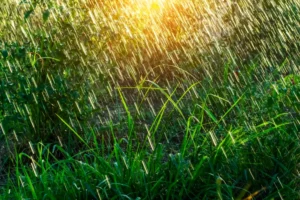
When it rains (which happens often in Georgia), phosphorus from organic fertilizer can contribute to runoff, making its way into lakes, rivers, and streams. Over time, this leads to phosphorus overload, which triggers harmful algae blooms and hurts aquatic ecosystems.
In short? Even “natural” ingredients can be harmful when misapplied.
Not-So-Green Shipping and Sourcing Practices
Here’s something no one talks about: the carbon footprint of organic products.
Many of the most popular organic lawn care materials aren’t local. They’re shipped in from across the country, or even overseas. That means you’re potentially increasing your lawn’s carbon impact every time you apply organic lawn care fertilizer made from imported kelp, guano, or seaweed.
The irony? You might be working against the very environmental goals you’re trying to support.
The Watering Conundrum: Organic Lawns Often Require More
Because organic fertilizers break down slowly, they often need excessive lawn watering to activate. And in Atlanta’s hot, humid summers, that means you’re likely running your sprinklers more often, not less.
More water = more waste, and in drought-sensitive areas (yes, Georgia can be one of them), that’s a problem, especially when compared to time-tested synthetic products that activate quickly and last longer between applications.
Compost Isn’t Always Consistent
Let’s talk compost. It’s the darling of organic lawn care, but it’s not always reliable. Why? Compost is only as good as the ingredients that went into it.
Poorly processed compost can cause soil imbalance, introduce weeds, or come loaded with contaminants. That’s not just a waste of time, it’s a setback for your lawn and a potential source of unintended pest attraction, too.
Organic Fertilizers and Weed Control: A Weak Match
Here’s a big one: weed suppression failure.
Organic lawn care systems rarely include effective, fast-acting weed killers. And if you’ve got crabgrass, dandelions, or other Georgia-native nuisances creeping in, that’s going to become a serious battle.
Most organic weed control options can’t compete with the speed and efficiency of synthetics, meaning you might end up applying products more frequently, or letting weeds win altogether. Not exactly a low-maintenance, eco-friendly dream.
When Nitrogen Becomes a Nuisance
Another hidden issue? Nitrogen leaching.
Because organic fertilizers break down over time, the nitrogen isn’t always available when your lawn needs it, or worse, it leaches into the soil below before your grass can absorb it. That means fewer visible results and more wasted nutrients (and dollars).
In contrast, targeted synthetic treatments allow you to deliver just the right amount of nitrogen at just the right time, especially for warm-season grasses that need an early-season boost.
🌱 Ready to Rethink Your Lawn Care Strategy?
If you’re questioning whether organic lawn care is truly the right fit for your Atlanta home, you’re not alone. The promise of “eco-friendly” sounds great, but when it leads to wasted water, ineffective weed control, and more frequent treatments, it’s time to take a second look.
At Weed Pro, we help you make informed decisions based on facts, not fads. We tailor lawn care solutions that strike a smart balance between sustainability, affordability, and performance, without falling for environmental lawn myths that don’t hold up in Georgia soil.
Let’s talk about what your lawn really needs. Contact us today and get a plan that respects your goals and the environment.
❓ FAQ: The Hard Truths About Organic Lawn Care
Are there any situations where organic lawn care actually performs better than synthetic?
Yes, especially in cooler climates with more consistent rainfall. In regions with loamy soil and fewer weed pressures, organic methods can help maintain soil health with fewer drawbacks. However, Atlanta’s climate poses unique challenges.
Do local regulations encourage or discourage organic lawn treatments?
While there are no specific bans or endorsements for organic lawn care in Atlanta, water use restrictions and phosphorus laws apply to all fertilizers, organic or not. It’s always smart to check local guidelines before applying anything to your lawn.
Can organic lawn care be used alongside synthetic methods?
Absolutely! In fact, this is often the most effective strategy. Many homeowners opt for a hybrid approach, using organic materials for soil health and synthetics for weed control and color consistency.
👉 Up Next:
Now let’s talk weed control—with your health in mind. Read: