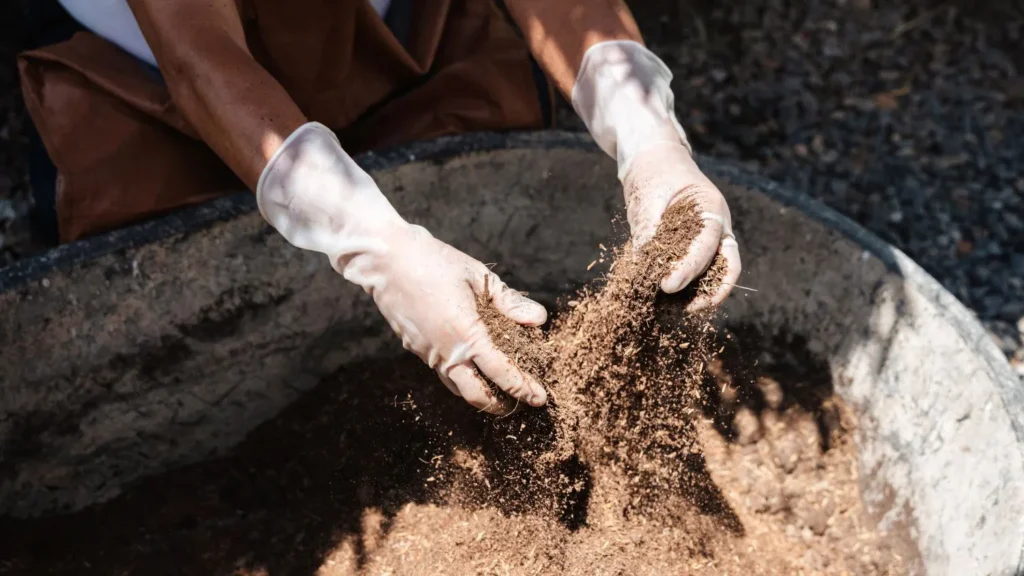
If you want Bermudagrass or Zoysiagrass that actually holds up to Georgia summers, the real work starts under the grass. Healthy soil lets roots go deeper, improves drainage, and makes it harder for weeds to gain a foothold. Skipping that step usually leads to the same cycle every year: thin turf, dry spots, and more fertilizer that never quite fixes the problem.
This guide walks you through how to:
- Use a soil test to see what’s really happening below the surface
- Choose the right amendments for Georgia’s typical sandy clay loam
- Time and use aeration, topdressing, and pH adjustments
- Prepare a proper seedbed or sod base so the new turf actually takes root
By the end, you’ll know which steps you can tackle yourself and when it makes sense to bring in a professional team.
Understanding Your Soil: Why Testing Comes First
Before you add compost, lime, or anything else, you need to know what your soil already has and what it’s missing. That’s where soil testing comes in.
A good soil test will usually tell you:
- pH level (how acidic or alkaline your soil is)
- N–P–K levels (nitrogen, phosphorus, potassium)
- Micronutrients (like iron, manganese, zinc)
- Organic matter percentage
- Texture indication
In this area, it’s common to see:
- Slightly acidic pH in the mid-5s to low-6s
- Lower-than-ideal organic matter, which means weaker structure and less moisture-holding
- Compaction issues, especially in newer neighborhoods or high-traffic yards
Once you know these numbers, you can stop guessing and start adding only what your lawn actually needs.
How to Get a Good Soil Sample in Georgia
Whether you use a DIY kit or a professional service, a poor sample equals poor recommendations. Here’s a simple way to do it right:
- Take 8–12 cores from representative lawn areas (avoid bare spots, mulch piles, and edges).
- Sample to about 4 inches deep for turf.
- Mix those cores in a clean bucket and submit as one composite sample per general area.
- Label zones if your yard varies a lot (front vs. back, slope vs. flat).
You can:
- Use a home test kit for a basic read
- Send samples to a lab or extension office for a detailed report
- Or let a professional lawn care company handle sampling and interpretation for you
The goal is simple: get clear, trustworthy numbers so every dollar you spend on amendments works harder.
Choosing the Right Amendments for Sandy Clay Loam
Once you have your soil test, it’s time to decide what to add. In Georgia, the usual priorities are:
- Raising organic matter
- Improving aggregation and reducing crusting
- Adjusting pH into the right range for Bermudagrass and Zoysiagrass
Here’s a quick comparison of common amendments and how they’re used in our local soils:
| Amendment | Purpose | Practical Application / Rate |
| Compost (stable, screened) | Raises organic matter and improves moisture retention | Apply 1/4–1/2 inch over an aerated lawn annually; integrate with topdressing |
| Topsoil (quality blend) | Restores topsoil depth and improves the root zone | Use for renovations at 1–2 inches with proper grading; avoid poor subsoil |
| Sand (coarse) | Helps surface drainage in very clayey spots | Blend carefully; avoid pure sand layers — mix with compost at about an 80/20 ratio |
| Lime (calcitic) | Raises pH in acidic soils | Apply per soil test; typical spot rate 25–50 lb per 1000 sq ft depending on the deficit |
| Sulfur (elemental) | Lowers pH in alkaline areas | Apply gradually and retest; follow lab guidance for rate and timing |
What Usually Works Best?
- Compost is almost always the safest, most effective first move.
- Sand should be used carefully and blended, pure sand on top of clay can create a “concrete” layer.
- Lime or sulfur should be applied only based on test results, not on guesswork.
Repeated light topdressings with compost, timed with aeration, gradually turn tight, tired soil into a deeper, more supportive root zone.
How Topdressing Helps Your Soil Work Better
Topdressing is simply spreading a thin layer of compost or a compost/topsoil blend over your lawn. When done correctly, it:
- Adds organic matter right where roots need it
- Levels small low spots and smooths the surface
- Improves seed-to-soil contact after overseeding
- Helps buffer pH and improve nutrient cycling over time
In Georgia, a common pattern is:
- Core aerate warm-season lawns in late spring or early summer
- Topdress with ¼–½ inch of compost or compost/topsoil mix
- Let rainfall and mowing work it into the holes and canopy
You won’t see overnight miracles, but over a season or two, you’ll usually notice fuller turf, better moisture retention, and fewer crusted, hydrophobic areas.
Mechanical Prep: Aeration, Liquid Aeration, and pH Adjustments
Soil chemistry matters, but so does the physical structure. That’s where aeration and pH work come in.
When and Why to Aerate
Core aeration is one of the most powerful tools for our compacted, construction-disturbed soils:
- When to do it: spring through early summer, while Bermuda grass and Zoysia grass are actively growing
- What it does:
- Reduces compaction
- Opens channels for water and fertilizer
- Encourages deeper root systems
Liquid aeration can be a lighter-touch option between core aerations or when you want less surface disruption, but it doesn’t replace physical core removal on heavily compacted lawns.
pH: Getting Into the Right Range
Warm-season grasses in Georgia typically perform best at a pH of 6.0–6.5. Here’s how to stay in the sweet spot:
- If your pH is too low (too acidic):
- Apply lime based on lab-recommended rates
- Expect changes over several months, not days
- If your pH is too high (too alkaline):
- Use elemental sulfur in smaller doses
- Retest regularly and adjust slowly
Avoid “big swings” repeated, moderate adjustments paired with regular testing are safer and more effective than one heavy application.
Step-By-Step: Preparing Soil for New Sod or Seed
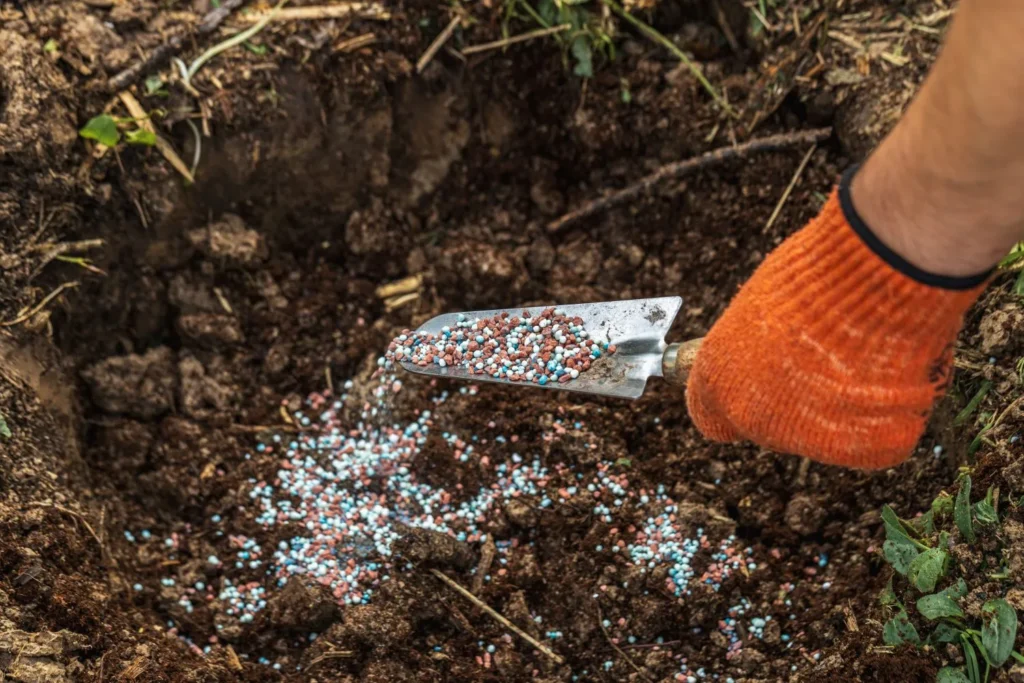
If you’re renovating or installing a new lawn, the order of operations matters just as much as the individual tasks. Here’s a simple sequence:
- Test the Soil
- Take composite samples and get pH, N-P-K, and organic matter results.
- Decide on lime, sulfur, and compost based on those numbers.
- Clear and Grade the Area
- Remove old turf, weeds, rocks, and debris.
- Correct low spots and drainage issues, creating a slight crown away from structures.
- Amend and Incorporate
- Spread compost or a topsoil/compost blend as recommended by the test.
- Till or mix into the top 3–4 inches so roots won’t hit a hard layer.
- Relieve Compaction and Topdress
- Core aerate if the soil is tight or recently disturbed.
- Apply a thin topdressing to improve structure and seed contact.
- Install Sod or Seed
- Sod: Lay tight seams, stagger joints, then roll lightly to ensure full contact.
- Seed: Broadcast evenly, lightly rake in, and roll for good seed-to-soil contact.
- Water Correctly from Day One
- Keep the surface consistently moist (not saturated) while new roots form.
- Shift gradually from frequent, light watering to deeper, less frequent cycles.
Following these steps in order dramatically reduces the risk of poor establishment, washouts, and weak root systems.
When Professional Help Makes Sense
Some homeowners enjoy tackling soil prep as a DIY project. Others would rather not rent equipment, calculate amendment rates, or worry about grading and drainage. That’s where professional services can be worth the investment.
A good lawn care provider can:
- Handle soil testing and interpretation
- Bring in the right equipment for aeration, grading, and topdressing
- Apply compost, lime, or sulfur at calibrated rates
- Prepare your yard for sod or seeding and guide post-install care
Build a Stronger Lawn from the Soil Up
Healthy soil is the foundation of every thriving lawn, and a few simple adjustments can make a big difference in growth and color. If you want help testing pH, correcting nutrient levels, or improving drainage in Georgia’s clay soils, our team provides tailored solutions. We’ll guide you step by step so your turf has everything it needs to thrive.
Contact us today to schedule a soil assessment and start building a healthier lawn from the ground up.
Frequently Asked Questions
How often should you test your soil?
Most lawns benefit from a soil test every one to two years. Testing more often is helpful if you’ve made significant changes or experienced turf decline.
Should you add lime without testing first?
No, adding lime without knowing your soil’s pH can cause long-term nutrient problems. Always test first to avoid imbalance.
What do you add to improve Georgia clay soil?
Compost and organic matter help improve drainage and soil structure. Proper aeration further enhances results by opening compacted layers.
Reference Section: Next Article in Series
Continue reading: Best DIY Lawn Repair Techniques for a Lush Yard: How to Fix Bare Spots and Patch Your Lawn.