Key Takeaways
- Grass seed cannot establish itself if it can’t reach oxygen, moisture, and soil contact.
- Compacted or disturbed soil blocks root development before seedlings mature.
- Overseeding success depends more on soil condition than seed quality alone.
- Proper preparation dramatically improves germination, density, and durability.
Why Overseeding Looks Simple, but Often Disappoints Homeowners
Overseeding sounds straightforward: spread seed, water, and wait for thicker grass. Yet many Atlanta homeowners see little improvement, patchy growth, or seedlings that disappear within weeks. The problem usually isn’t the seed, it’s the soil beneath it.
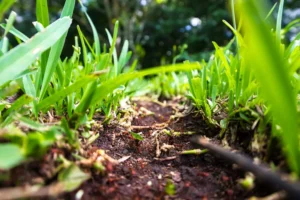
Grass seed is incredibly sensitive during early growth. If the soil surface is compacted, uneven, dry, or biologically inactive, the seed may germinate briefly but fail to establish roots deep enough to survive heat, traffic, or mowing. Without preparation, overseeding becomes a short-term cosmetic fix instead of a real lawn improvement.
What Soil Conditions Prevent Overseeding Success?
Soil acts as the foundation for turf development. When that foundation is compromised, the seed struggles from day one.
Common Soil Issues That Cause Overseeding Failure
- Compaction: Limits oxygen movement and restricts root expansion.
- Poor seed-to-soil contact: Seeds dry out or wash away before they can root.
- Surface crusting: Prevents seedlings from breaking through the soil.
- Low biological activity: Reduces nutrient availability during germination.
Each of these issues interrupts a different stage of the establishment process, often before homeowners realize there is a problem.
Why Compacted Soil Is the Biggest Overseeding Killer
Compaction is one of the most overlooked lawn problems in Atlanta, especially in areas with clay-heavy soils or frequent foot traffic. When soil particles are pressed tightly together, air and water movement slow dramatically.
Grass roots need oxygen just as much as they need moisture. Without it, seedlings develop shallow root systems that dry out quickly and collapse under stress. Overseeding into compacted soil may produce green sprouts at first, but they rarely survive summer heat or mowing pressure.
How Poor Seed-to-Soil Contact Wastes Good Seed
Broadcasting seed over existing turf without preparation often leaves the seed suspended above the soil surface. Birds eat it, wind moves it, or water carries it away before roots can anchor.
Successful overseeding requires:
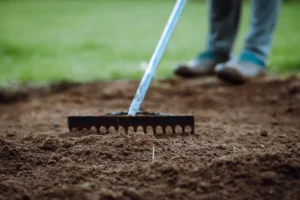
- Light soil disruption or opening
- Firm contact between the seed and the soil
- Consistent moisture at the surface
Without these conditions, even premium seed varieties fail to perform.
Why Timing Alone Doesn’t Fix Soil Problems
Many homeowners overseed at the “right” time, early fall or spring, yet still get poor results. Timing helps, but it cannot overcome poor soil structure.
If soil cannot absorb water evenly, retain moisture, or support root growth, seed timing becomes irrelevant. Preparation ensures the seasonal window actually works in your favor.
What Proper Soil Preparation Looks Like Before Overseeding
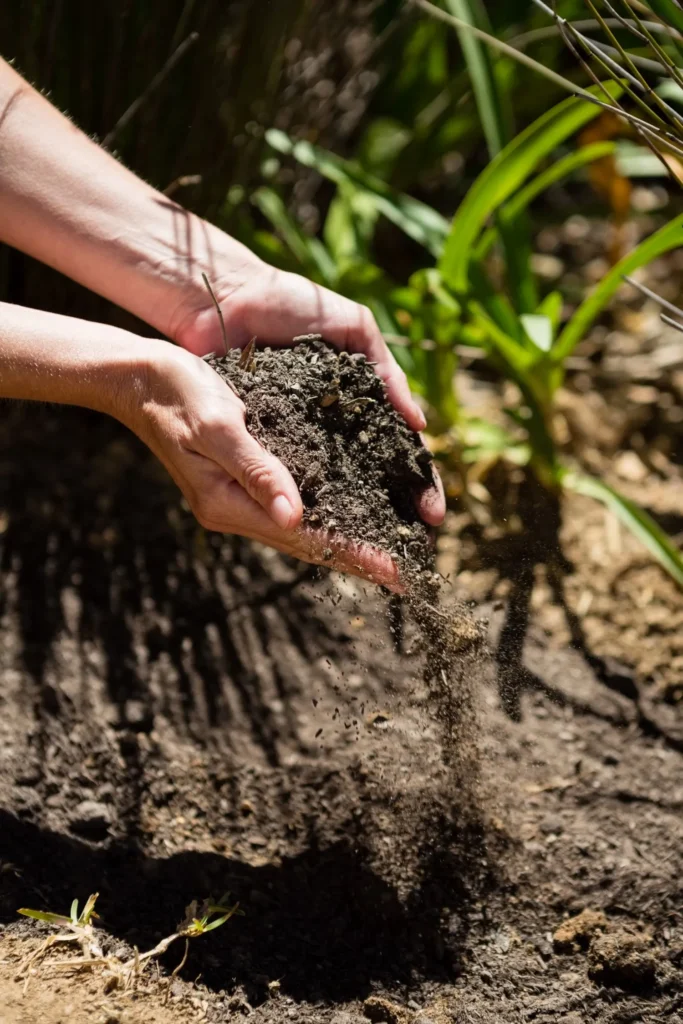
Effective overseeding starts below the surface, not with seed selection.
Key Preparation Steps That Improve Results
- Core aeration: Relieves compaction and opens pathways for roots
- Surface leveling: Prevents water pooling and seed washout
- Organic matter improvement: Enhances microbial activity and moisture retention
- Thatch management: Reduces barriers between seed and soil
These steps create an environment where the seed can quickly and consistently establish roots.
Why Overseeding Alone Won’t Fix Thin or Weak Turf
Overseeding is not a cure-all. Thin lawns often result from deeper problems such as poor drainage, repeated stress, nutrient imbalance, or compacted subsoil. Adding seed without correcting these issues simply repeats the cycle of failure.
Healthy turf density comes from:
- Strong root systems
- Balanced soil structure
- Ongoing maintenance practices
Overseeding works best when it’s part of a broader soil-first strategy.
| Weed Pro Lawn Care: Local Lawn & Outdoor Pest Experts Reliable Service Backed by Results You Can See Choose the Right Lawn Care Solution for Your Property: – Complete Lawn Care Programs: Ongoing, customized lawn care plans designed to strengthen turf, improve soil health, and reduce weeds. – Targeted Weed & Pest Control: Focused solutions for persistent lawn weeds, invasive pests, and seasonal pressures such as mosquitoes and surface insects. – Irrigation & Lawn Health Support: Professional support for irrigation efficiency, aeration, overseeding, and soil conditioning to improve water absorption, reduce runoff, and help lawns recover from compaction, disease, or environmental damage. Customer Praise:“Easy and quick set-up. Immediate results. I have been trying and failing little by little to maintain my yard over the past three years. Weed pro came in and turned the yard around in 6 months. Thank you Weed Pro Lawn care for excellent and affordable lawn care.” – Antonio Rizzo Why Homeowners Choose Weed Pro Lawn Care: – Locally owned and operated, serving North Georgia communities – Experienced technicians trained in region-specific lawn and pest challenges – Customized service plans based on property conditions, not one-size-fits-all programs – Environmentally responsible treatments with a focus on long-term lawn health – Clear communication, reliable scheduling, and service you can trustSchedule your Service Today! |
When Professional Preparation Makes the Biggest Difference
Some lawns respond to basic DIY preparation, but many Atlanta properties need a more targeted approach, especially those with construction damage, heavy clay, or long-term compaction.
Professional soil preparation evaluates:
- Soil condition and structure
- Compaction depth
- Turf stress patterns
- Drainage and moisture behavior
That insight allows overseeding to become a long-term improvement rather than a short-lived patch.
Turn Overseeding Into a Real Lawn Upgrade
Overseeding should improve your lawn not waste time, water, and money. At Weed Pro Lawn Care, we focus on improving soil conditions that prevent overseeding from succeeding in the first place. Our team evaluates compaction, surface conditions, and root-zone health to ensure the seed can establish and thrive.
If your lawn has stayed thin despite repeated overseeding attempts, it’s time to address what’s happening below the surface.
Contact us today to schedule a soil and overseeding assessment and get a plan built for real, lasting results not temporary green-up.
FAQ: Overseeding and Soil Preparation
Can grass seed grow without soil preparation?
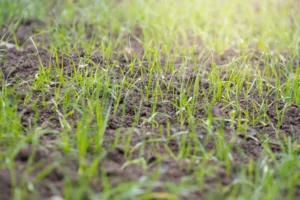
Grass seed may germinate without preparation, but long-term survival is unlikely. Without proper soil contact and oxygen flow, roots stay shallow and fragile. Most failures happen after initial sprouting, not before.
Is aeration always required before overseeding?
Not always, but compacted or high-traffic lawns benefit greatly from aeration. Aeration improves oxygen access and seed-to-soil contact, which significantly increases establishment success. Skipping it often limits results.
Why does overseeding work one year and fail the next?
Soil conditions change over time due to traffic, weather, and maintenance practices. Compaction and surface sealing can return even after previous success. Regular soil evaluation keeps overseeding effective in the long term.
Reference: Continue Learning About Lawn Repair
Next, explore Lawn Repair After Construction or Utility Damage to learn how disturbed soil impacts turf recovery and what it takes to restore healthy growth.