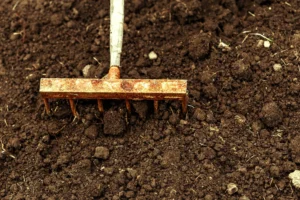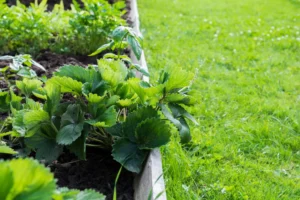

Is your lawn looking a bit thin and patchy? Then it might be time to overseed! This process involves adding new seedlings to the existing lawn, which fills in those bare spaces, allowing your lawn to become thicker and more resilient. In Dunwoody’s distinctive climate and clay soils, overseeding offers several advantages, including an improved appearance, enhanced disease resistance, and natural weed suppression. Here is what we will cover: why overseeding is a game-changer for the appearance and health of your lawn, the best time to sow grass seed in Dunwoody, how aeration helps seedlings germinate and more efficiently utilize water, and some important considerations after your lawn has been freshly seeded.
What Are The Big Wins from Overseeding Your Dunwoody Lawn?
Overseeding is simply the process of adding quality grass seed to your existing lawn. This improves density, creates a more uniform color, and improves the overall health of your turf. Improved health allows your lawn to absorb nutrients more effectively, outcompete weeds, and help revive thinning areas in lawns throughout Dunwoody.
How Does Overseeding Improve Density and Color in Your Lawn?
When you overseed, you are technically planting dozens of seedlings per square foot. This seeding process increases your lawn’s density and helps fill in those annoying bare areas. Once these new seeds germinate (typically within about two weeks), they will blend in with your existing mature grass to create that uniform, deep green color that we all crave.
What Does Overseeding Do Against Pests and Diseases?
Overseeding enhances your lawn’s natural defenses by introducing genetic diversity and fostering a stronger root system. A thicker lawn acts as a barrier that traps fungal spores and insect larvae before they can cause harm to your lawn. This leads to fewer outbreaks of common problems such as dollar spot, brown patch, or grub issues in Dunwoody lawns.
What Does Overseeding Do to Naturally Suppress Weeds in Dunwoody?
A well-overseded lawn develops a thick, healthy carpet of grass that is better able to compete for sunlight, water, and nutrients. This creates limited space for weeds, such as crabgrass and clover, to germinate and establish.
What are the Overall Health Benefits of Overseeding Your Lawn?
Overseeding has a positive impact on lawn health by enhancing soil structure, increasing organic matter, and improving turf quality. Healthy, manageable root systems that reach deep into Dunwoody’s clay soil will allow your lawn to maintain heat and healthy colors during the summer months.
When is the Right Time to Overseed for Lawns in Dunwoody, GA?
The best time to overseed a lawn in Dunwoody, GA, is in the fall. The temperatures will be moderate, and the rain will be consistent to keep those seeds germinating and the established roots energized. You should aim for a soil temperature between 60°F and 65°F, as this is an optimal time for grass to develop before the winter months arrive.
What Makes Fall the Preferable Season for Overseeding grass in Dunwoody?
Fall is the preferred season for overseeding lawns in Dunwoody because the cooler air is less stressful for the grass, and the evening dew can help maintain moisture in the soil throughout the night. When sown between roughly mid-September and mid-October, the seed has time to establish roots and can hopefully outgrow any potential warm-season weeds before the first frost date.
How Do Climate and Soil Conditions in Dunwoody Affect Your Timing of Overseeding?
Dunwoody is classified as a humid subtropical region, and, coupled with the clay-based soils, necessitates seeding at times with lower evaporation rates and greater rainfall reliability. Compacted clay, particularly during the summer months, can hinder seed germination, and maintaining proper soil moisture is essential for achieving steady growth. Fall overseeding is the most timely opportunity to take advantage of natural moisture and moderate warm temperatures.
What Signs Should You Look for That Indicate You Should Overseed?
These signs below are indicators for overseeding your lawn:
- There are bare areas where grass has died back.
- The lawn seems heavy and spongy
- Weeds have emerged in areas where the grass has been thinned or died back.
It is essential to recognize these early signs so that you can reap the benefits of overseeding at the proper time, thereby restoring grass coverage and limiting soil erosion.
How is Aeration Compatible with Overseeding for a Healthier Dunwoody Lawn?
Aeration pairs wonderfully with overseeding, especially in the clay soils of Dunwoody. Aeration creates small holes that provide openings for new seeds, water, and nutrients to penetrate deeper into the soil, which helps foster deeper root development, allows for better water drainage, and gives your new seeds the best chance to germinate.
Why Is Aeration Essential Before Overseeding In Clay Soils in Georgia?
Aeration helps before overseeding in heavy clay soils in Georgia because it breaks up the hard-packed clay, allowing water and air to reach the roots more easily. Additionally, it facilitates the new seeds’ settlement into the soil and their access to the necessary nutrients.
What Are The Steps Of Professional Aeration and Overseeding?
Mow your lawn to the appropriate mowing height to ensure easy access to the lawn area.
- Use a specialized aerator to pull out soil cores.
- Apply a top-rated lawn seed mix that is specifically matched for your local area.
- Use a light, topdressing to cover the area, protecting and keeping the seed damp.
By following these steps, you will ensure the proper establishment of your new grass, as well as establish good turf density and a uniform, strong lawn.
How Does Aeration Help Your Lawn to Use Water More Efficiently and Grow Stronger Roots?
Through aeration, your lawn becomes more water-efficient, allowing rain and irrigation to soak into the soil instead of running off its surface. Loosening the soil also creates an opportunity for roots to grow deeper, resulting in thicker-bladed grass that is better equipped to withstand dry periods.
After preparing your soil and having seeds ready for overseeding, we can provide that professional touch to fine-tune the overseeding for your property.
What Do You Need to Know After Overseeding Your Dunwoody Lawn?
Once you’ve overseeded, consistent maintenance will be the most critical step in transforming those small seedlings into a thick, lush, and beautiful lawn. Consistent watering, feeding, and understanding when it’s safe to walk on the lawn will go a long way in determining how well it establishes and how healthy it will remain season after season.
How Do You Water and Care for Your Lawn After Overseeding?
Immediately after overseeding, lightly water your lawn two to three times a day. Ideally, you want to keep that top layer of soil consistently moist but not saturated. As the seedlings grow, you should be able to water them less frequently to encourage the roots to grow deeper. Eventually, you will transition to a regular watering schedule, typically twice a week.
What Fertilization and Weed Control Contribute to New Grass Growth?
To ensure your new grass grows well, a combination of proper feeding and effective weed control will yield the best possible results.
- Apply a starter fertilizer high in phosphorus to promote new root growth.
- Be mindful not to apply broadleaf weed killers until the new seedlings are established. Once established, they can be transitioned into selective weed control.
- Be sure to add organic matter to maintain soil health and a diverse beneficial microbial community.
How Long Will You See Results After Overseeding in Dunwoody?
If conditions are warm and moist enough to support new seedling growth, you’ll see new seedlings appear within 7–14 days. Typically, it takes about 6–8 weeks for the new grass to fully integrate with the existing turf after it is established. You will see peak density and color the following spring as the young grass fully establishes.
With proper maintenance and care over the seasons, your investment in overseeding will pay off with a thick green lawn for years to come.
Bring Your Lawn Back to Life with Overseeding
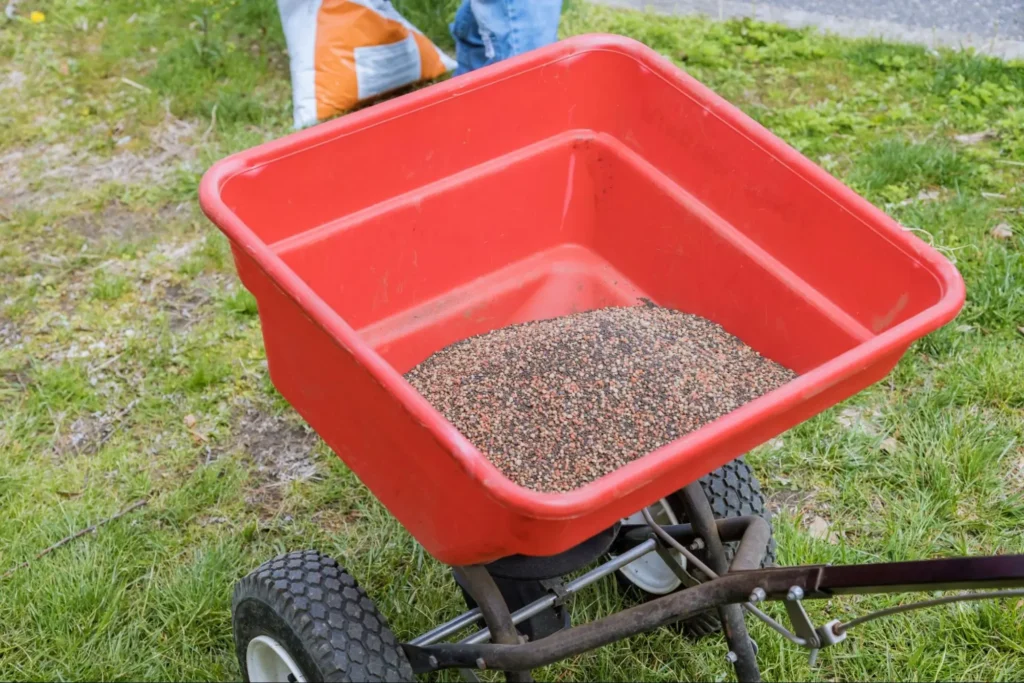
Is your Dunwoody lawn thinning out or looking tired? Don’t rip it up—revive it with overseeding. Weed Pro helps homeowners rebuild turf density using the right grass seed blends, professional-grade equipment, and timed seasonal techniques. We’ll assess soil health, shade patterns, and irrigation to ensure every seed thrives. Overseeding is one of the most cost-effective ways to boost curb appeal, enhance lawn health, and crowd out future weeds.
👉 Contact us today to schedule overseeding and get a free lawn assessment to see what your turf truly needs.
❓ FAQ
When is the best time to overseed in Dunwoody?
Early fall and late spring are ideal, when temperatures support seed germination and root development.
Do you need to aerate before overseeding?
Yes—core aeration improves seed-to-soil contact and boosts the success rate of germination.
🔗 Up Next: Keep Your Irrigation System in Peak Shape
Don’t miss: “Keep Your Roswell Irrigation System Thriving: Expert Tips for Repairs, Winterization, and Smart Watering.“