If you’re a homeowner looking to elevate your lawn care game, understanding aeration is essential. At WeedPro, we’ve made it our mission to help homeowners in Georgia cultivate healthier, stronger lawns through proper care practices—including avoiding issues like overfertilization and improving soil health. Proper lawn aeration can significantly improve the health and resilience of your turf, especially in the heat and humidity of Georgia. Knowing when to aerate your lawn is crucial—performing this process during the growing season is optimal, as it promotes stronger root development and better grass establishment. This article dives deep into two popular methods of aeration, core and liquid, to help you determine the best choice for your lawn.
Understanding Lawn Aeration
Lawn aeration is a crucial treatment for maintaining optimal soil health and enhancing your lawn’s appearance. At its core, to aerate means to break up compacted soil, allowing for better air, water, and nutrient penetration into the root system. While both core and liquid aeration address this objective, they do so through distinct methods that yield varying results, with the main goal being to reduce soil compaction.
What Is Core Aeration?
Core aeration is a mechanical process involving the removal of small plugs of soil from your lawn using specialized equipment—a core aerator equipped with hollow tines. As the aerator moves through your yard, it extracts cylindrical cores of soil, creating air pockets that help improve water and nutrient movement. These extracted plugs, also called soil cores, can either be left on the surface, where they decompose and return valuable nutrients to the soil, or collected for composting.
Core aeration is a form of mechanical aeration or physical remediation, typically performed with a machine such as a core aerator, plug aerator, or spike aerator. Manual aeration is possible using hand tools, but machines are more efficient for larger lawns.
Spike aeration is another method, but it is generally less effective than core aeration.
Benefits of Core Aeration
Core aeration provides immediate benefits and can breathe new life into tired, compacted lawns, making it particularly effective for lawns requiring significant revitalization. Key advantages include:
- Fast improvement: Expect to see visible results shortly after treatment.
- Enhanced water infiltration and nutrient absorption: Less compaction allows for better resource utilization.
- Increased drought resistance: Deeper roots can access water reserves more effectively.
- Reduced thatch accumulation: Helps manage the layer of organic material that can suffocate your grass.
- Preparatory benefits for overseeding: Direct seed-to-soil contact promotes germination.
- Eco-friendly: No chemicals are used in the process, making it a sustainable choice.
- Long-term benefits: Core aeration delivers sustained lawn health and resilience, supporting thicker, healthier grass over time.
What Is Liquid Aeration?
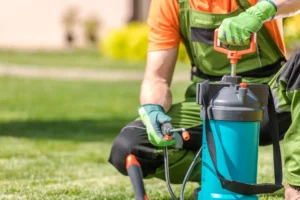
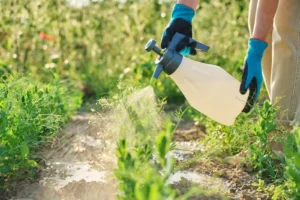
Liquid aeration uses liquid products or liquid aerators designed to act as a soil loosener, which are sprayed across your lawn. Unlike core aeration, this method does not physically disrupt the surface but helps to loosen soil at a microscopic level, enhancing the microbial ecosystem and making the soil more permeable over time.
These liquid products are often applied using a hose end sprayer for even coverage. Liquid aerators may also contain a wetting agent to help more water and nutrients penetrate the soil, improving water infiltration and nutrient absorption.
One of the intended effects of these products is increased microbial activity, which supports healthier soil and grass growth.
Benefits of Liquid Aeration
While it may not provide immediate visible changes, liquid aeration has its own set of advantages:
- Minimal disruption: No visible holes or plugs left on your lawn, preserving its appearance.
- Uniform coverage: Ensures every inch of your lawn receives treatment without gaps.
- Encouraged microbial activity: Stimulates the natural processes in your soil.
- Cost-effective: Generally cheaper than core aeration and can be a DIY job.
- Less risk: Carries less risk of damaging the lawn compared to mechanical methods.
- Compound effects: Frequent applications, often required multiple times, yield cumulative benefits over time.
If initial liquid aeration and nutrient treatments do not fully resolve compaction or thick thatch, additional treatments may be necessary.
How to Tell if Your Lawn Needs Aeration
Determining whether your lawn requires aeration is crucial to maintaining its health and appearance. Aeration, including both liquid and core aeration, helps to alleviate soil compaction, which can hinder the growth of your grass by preventing water, nutrients, and oxygen from reaching the roots. Here are some key signs that indicate your lawn needs aeration:
- Visible Thatch Layer: If you notice a thick thatch layer—more than half an inch—sitting on the soil surface, it can block water and nutrients from reaching the roots. This buildup is a clear signal that your lawn could benefit from aeration to break through the barrier and restore healthy growth.
- Water Pooling on the Surface: When water tends to sit on top of your lawn instead of soaking in, it’s often due to compacted soil. Liquid aeration products can help reduce surface tension, allowing water to penetrate the soil more effectively and improve water retention.
- Hard, Compacted Soil: If your lawn feels hard underfoot or is difficult to dig into, compacted soil may be restricting the flow of air, water, and vital nutrients to your grass roots. Both liquid and core aeration can help loosen the soil and create better conditions for growth.
- Thin or Patchy Grass: Poor grass growth, bare spots, or thinning areas can be signs that your lawn isn’t getting enough water and nutrients due to compaction. Aeration can help rejuvenate these areas by improving soil structure and nutrient availability.
- Heavy Use and Traffic: Lawns that experience frequent foot traffic, play, or pet activity are more likely to develop compacted soil. Regular aeration can help maintain a healthy lawn by ensuring that air and water can move freely through the ground.
- Signs of Drought Stress: If your lawn struggles to stay green during dry periods, compacted soil may be preventing water from reaching the roots. Aeration can improve water absorption and help your grass withstand drought conditions.
To check for soil compaction at home, try pushing a screwdriver or stick into the ground. If it’s difficult to insert, your soil is likely compacted and could benefit from aeration. Another simple test is to remove a small section of turf and examine the root depth—healthy roots should extend several inches into the soil. Shallow roots often indicate a need for aeration to improve soil health and support a lush, green lawn.
Key Differences Between Core and Liquid Aeration
When choosing between core and liquid aeration, knowing their differences can guide your decision:
| Factor | Core Aeration | Liquid Aeration |
|---|---|---|
| Method | Mechanical solution: soil plugs removed | Chemical solution applied |
| Time to Results | Immediate | Weeks to months |
| Surface Appearance | Visible soil plugs left behind | No visible residue |
| Coverage | Individual punctures | Uniform treatment across entire lawn |
| Cost | Typically more expensive; may require professional services | Budget-friendly; often DIY by homeowners |
| Overseeding Compatibility | Ideal for overseeding | Not recommended with new seeds |
| Best for Heavy Compaction | Superior for severe compaction | Less effective for severe compaction |
Consulting a local expert can help you determine which aeration method is best suited for your lawn’s specific needs.
DIY liquid aeration can save you free time compared to renting equipment or hiring professional services for core aeration.
When To Choose Core Aeration
Consider core aeration if:
- You have significant compaction or a thatch layer over 0.5 inches, as core aeration is a form of physical remediation that is especially effective for severe soil compaction.
- Instant results are necessary for your lawn’s recovery.
- You intend to overseed or enhance root growth dramatically.
- You are prepared to rent or purchase a core aerator, which is required for DIY core aeration.
When To Choose Liquid Aeration
Opt for liquid aeration when:
- You prefer minimal disruption and want to avoid visible holes.
- Your lawn is small to medium sized with moderate compaction.
- You seek a more cost-effective, maintenance-friendly option.
Factors Influencing Aeration Choice
The decision between core and liquid aeration isn’t solely based on personal preference. Several factors should be considered:
Soil Types and Conditions
If your soil is dense and clay-heavy, core aeration may be the best choice due to its physical disruption of compact clay. Conversely, sandy soils may benefit more from liquid aeration, which enhances permeability without intense mechanical intervention.
Lawn Health and Maintenance Needs
If your lawn has severe compaction and significant thatch buildup exceeding 0.5 inches, core aeration is crucial. For ongoing maintenance or less aggressive treatments, liquid aeration can provide sufficient improvement without the need for aggressive intervention.
Climate Considerations
In hot and humid climates like Georgia, both core and liquid aeration are beneficial. But, core aeration can quickly relieve stress on the lawn caused by heat and drought by encouraging deeper root growth. Regular applications of liquid aeration can help maintain a healthy soil structure in the long term.
Making The Best Decision For Your Lawn
Selecting the right aeration method hinges on various aspects of your lawn’s condition and your long-term maintenance goals. Assess soil compaction, the thickness of thatch, the size of your lawn, and whether overseeding is on your agenda. If immediate results to severe issues are necessary, core aeration should be your go-to. Alternatively, if you’re in a maintenance phase and need minimal disruption, consider liquid aeration.
Both core and liquid aeration have their benefits when it comes to combating soil compaction and improving lawn health. Core aeration is the preferred method for immediate, aggressive treatment, especially when overseeding is needed. Liquid aeration serves as an excellent option for ongoing maintenance with less disruption. Eventually, the best choice for your lawn will depend on specific needs, soil composition, your desired timeline for results, and budgetary constraints.
Frequently Asked Questions
What is the main difference between core and liquid aeration?
Core aeration physically removes soil plugs, providing immediate results, while liquid aeration utilizes a solution to enhance soil permeability without visible disruption. Core is best for severe compaction; liquid is better for ongoing maintenance.
How often should I perform core aeration on my lawn?
For optimal results, core aeration is typically recommended once a year, especially if your lawn has heavy compaction or thatch exceeding 0.5 inches. This allows for deep root growth and improved nutrient absorption.
Can I overseed after liquid aeration?
It is not recommended to overseed immediately after liquid aeration as it does not provide the direct seed-to-soil contact that core aeration does. Wait for adequate soil improvement before overseeding.
When is the best time to perform lawn aeration?
The best time for lawn aeration depends on your climate; in Georgia, early spring or fall are ideal for core aeration, while liquid aeration can be applied year-round for maintenance.
Is liquid aeration as effective as core aeration?
While liquid aeration is effective for enhancing soil health over time, core aeration offers immediate relief from compaction issues. For severe conditions, core aeration is the more powerful option.