Metro Atlanta’s vibrant lawns are a source of pride for many homeowners, but they also come with unique challenges. Weed Pro understands that lawns in this bustling region require attentive care to thrive in the diverse climate. From clay-heavy soil to common contamination issues, knowing the state of your soil is crucial for maintaining lush, healthy green spaces. In this text, we’ll explore the most common soil issues affecting lawns in Metro Atlanta and discuss effective solutions recommended by experts at Weed Pro to help keep your yard vibrant, resilient, and well-maintained.
Understanding Soil Composition
The foundation of any healthy lawn starts with its soil composition. In Metro Atlanta, our soil is primarily composed of clay, sandy loam, and silt. This mixture plays a significant role in how our lawns respond to watering, fertilization, and overall maintenance.
Clay Soil: A common component of Atlanta lawns, clay soil is notorious for retaining water and nutrients but poor in drainage. This can lead to over-saturation, a breeding ground for root rot and pests.
Sandy Soil: On the flip side, sandy soils drain quickly but often struggle to hold nutrients, meaning lawns can become nutrient-deficient if not carefully managed.
Silt: This part helps to balance clay and sand, providing a smoother texture that supports both drainage and nutrient retention. Understanding these components allows us to tailor our lawn care strategies effectively.
Poor soil composition or unhealthy lawns can result in bare patches where only dirt is exposed, making it crucial to maintain nutrient-rich soil to support healthy grass growth and prevent landscape decline.
Clay Soil and Its Challenges
Clay soil presents several challenges for Atlanta homeowners striving for the perfect lawn. Due to its dense structure, water often pools on the surface rather than draining away, leading to shallow root systems and unhealthy grass.
Water Logging: Excessive moisture fosters an environment for diseases such as fungal infections and mold. It’s vital to monitor the water level and ensure proper drainage solutions are in place. Moss often thrives in these damp, poorly drained areas, especially in clay-heavy soils.
Aeration: Regular aeration can alleviate compaction, allowing air, nutrients, and water to penetrate deeper into the soil. This encourages a stronger, denser root structure that can better withstand Atlanta’s heat.
Compaction Problems in Urban Yards
In urban settings like Metro Atlanta, lawn soil often faces compaction. This can result from heavy foot traffic, heavy equipment, or even natural causes such as the weight of accumulated rainfall.
Signs of Soil Compaction: You may notice that certain areas of your lawn are unsightly or have poor grass growth. Compacted soil cannot absorb water or nutrients effectively, leading to thin, brown patches and an unhealthy lawn.
Solutions: We recommend practicing regular aeration and avoiding excessive foot traffic during wet conditions to maintain a healthy lawn. Adding organic matter can also improve soil structure and encourage better drainage.
pH Levels and Nutrient Deficiencies
Soil pH is another critical factor impacting our lawns. The ideal pH for grass in our region typically ranges from 6.0 to 7.0. When soil pH falls outside this range, it can lead to nutrient deficiencies.
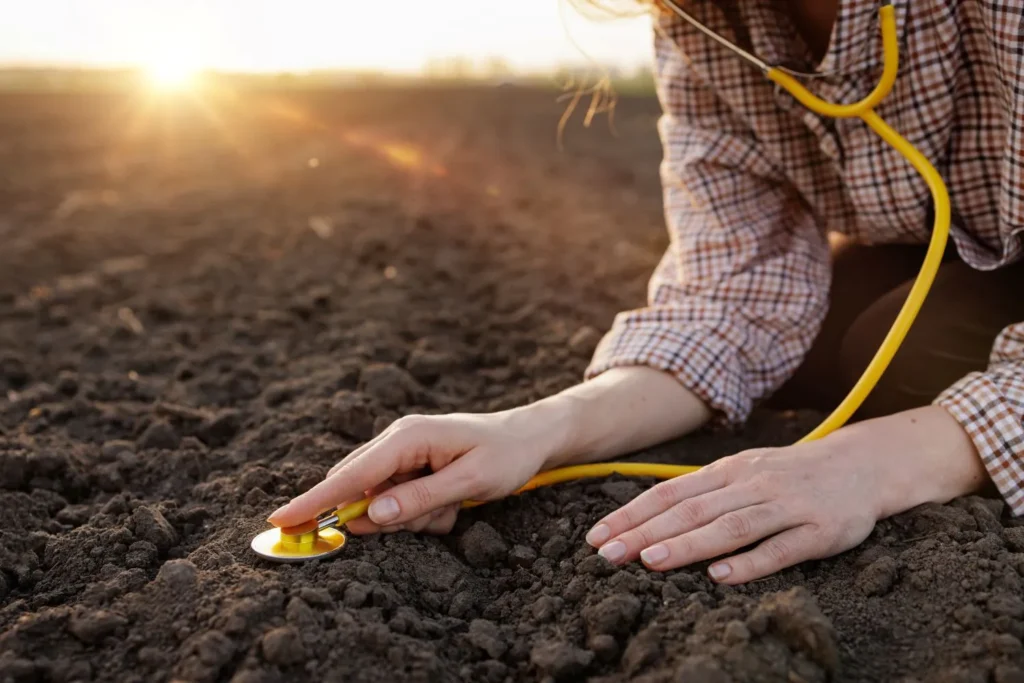
Testing Soil pH: Conducting a simple soil test can help identify your lawn’s pH level and nutrient content. A low pH can result in excess aluminum and iron, while a high pH can inhibit the uptake of essential nutrients like nitrogen and phosphorus.
Adjusting pH: If your soil is too acidic, adding lime can help raise the pH. Conversely, if it’s too alkaline, sulfur can be utilized to lower it. Maintaining the right balance ensures your grass gets the nutrients it needs to thrive. When deficiencies are identified, applying the appropriate fertilizer can help replenish essential nutrients and support healthy grass growth.
Contaminated Soil and Its Effects
Contamination can pose serious issues for lawn health. In Metro Atlanta, soil contamination can result from urban development, pesticides, or even nearby industrial activity.
Types of Contaminants: Common contaminants include pesticides, heavy metals, and oil. These substances can inhibit grass growth and affect the quality of any fruits or vegetables planted in garden areas.
Identifying Contamination: If you suspect your soil might be contaminated, we recommend getting a specialized test done. This will help us determine what specific issues need addressing and how we can take remediation steps effectively.
Microbiology and Soil Health
A thriving lawn in the Atlanta area starts beneath the surface—with healthy soil teeming with beneficial microorganisms. The microbiology of your yard plays a vital role in breaking down organic matter, cycling nutrients, and supporting strong plant roots. When your soil is balanced and full of life, grass blades stay green, plants flourish, and your lawn is more resilient to pests, diseases, and environmental stress.
However, common issues like compacted soil, poor drainage, and clay soil can disrupt this delicate balance. Soil compaction, often caused by heavy foot traffic or water pooling, squeezes out the air pockets that beneficial bacteria and fungi need to survive. Without these microorganisms, nutrients become less available to your turf, leading to poor soil conditions, dead grass, and unsightly bare spots. Opportunistic annual grasses and perennial weeds, such as crabgrass and dandelions, can quickly take over when healthy grass is struggling, making it even harder to maintain a beautiful yard.
Lawn aeration is one of the most effective solutions for restoring healthy soil microbiology in Metro Atlanta lawns. By relieving soil compaction and increasing oxygen flow, aeration encourages beneficial microbes to thrive and helps plant roots grow deeper and stronger. Regular aeration, especially in early spring, is essential for clay-heavy soils and popular turf varieties like zoysia grass, which require well-draining, nutrient-rich environments to stay healthy and green.
Professional landscape companies like Metro Atlanta Lawn Care recommend regular soil tests to identify underlying soil problems, including microbiology imbalances. These tests allow for targeted treatments—such as adding a few inches of mulch to retain moisture and regulate soil temperature, or implementing drainage solutions to prevent water pooling and erosion. Gutter cleaning and proper grading can also help reduce drainage issues and protect your yard from runoff that damages plant roots and disrupts soil health.
By prioritizing soil health and adopting a comprehensive lawn care approach, homeowners, local businesses, and real estate agents can create eye-catching curb appeal and boost property values. Investing in professional solutions and ongoing maintenance not only keeps your lawn looking its best but also reduces the need for excessive fertilizers and pesticides. Left untreated, soil problems can become costly and time-consuming to fix, but with the right care, your Atlanta lawn can remain lush, green, and beautiful year-round—providing the perfect outdoor space for relaxation and enjoyment.
Solutions and Best Practices for Lawn Care
Now that we’ve identified common soil issues, what can we do to mitigate them? Here are some actionable solutions and best practices:
Soil Testing: Regularly test your soil to understand its nutrient composition and pH levels. This will enable us to tailor our lawn care plan effectively.
Aeration and Topdressing: Aerate during the growing season to relieve compaction and follow with topdressing to enhance soil quality.
Fertilization: Use organic fertilizers that improve the soil structure and contribute to overall lawn health. Fertilizer treatments can also help fill bare spots by promoting healthy grass growth and replenishing essential nutrients.
Proper Watering: Carry out a consistent watering schedule and consider irrigation systems to ensure deep watering without waterlogging.
Plant Selection: Emphasize drought-resistant grass varieties that are adapted to Metro Atlanta’s climate.
Weed Management: Opportunistic annual grass and perennial weed species, such as crabgrass and dandelions, can invade lawns, especially in summer and in areas with ample sunlight. Some weeds, like dandelions, must be removed by extracting the entire root to prevent regrowth, as their seeds can quickly spread if not managed. Prostrate Spurge can be identified by its distinctive reddish stems. Timely intervention is the best solution to prevent weeds from overtaking your lawn.
Disease Management: Fungus can cause brown patches and spread rapidly if not treated promptly. A combined treatment approach involving bio-stimulants, fertilization, and aeration can improve soil health and help your lawn resist fungal diseases.
Professional Services: Partnering with a landscape company can provide comprehensive lawn care, gardening, and additional services such as pressure washing to enhance curb appeal and maintain attractive outdoor spaces.
Understanding the common soil issues in Metro Atlanta lawns can empower us to address them effectively. By implementing targeted solutions and best practices, we can ensure our yards remain lush and healthy year-round. At Weed Pro, we’re committed to delivering precise lawn care services that keep your yard thriving amid the challenges of our local climate. Together, we can cultivate lawns that not only look great but are also resilient and sustainable.
Frequently Asked Questions
What are the common soil issues in Metro Atlanta lawns?
In Metro Atlanta, common soil issues include clay heavy soil with poor drainage, soil compaction from foot traffic, pH level imbalances, and contamination from urban activities. Understanding these challenges is crucial for maintaining a healthy lawn.
How can clay soil affect my lawn in Atlanta?
Clay soil retains moisture but lacks drainage, leading to water pooling, root rot, and unhealthy grass. Regular aeration can help alleviate compaction and promote stronger root systems in clay soils.
What steps can I take to improve soil compaction in my yard?
To address soil compaction, practice regular aeration and minimize foot traffic during wet conditions. Adding organic matter can also improve soil structure and promote better drainage.
How do I test the pH level of my lawn soil?
You can test your lawn soil’s pH using a simple soil test kit available at garden centers. This will help you understand the nutrient availability and make informed adjustments as needed.
What are the effects of contaminated soil on my lawn?
Soil contamination can inhibit grass growth and affect the quality of garden plants. Common contaminants include pesticides and heavy metals, so it’s important to conduct specialized tests if contamination is suspected.
What is the best way to improve drainage in clay-heavy soil?
To improve drainage in clay-heavy soil, regular aeration and topdressing with organic materials can help. These practices allow for better water movement and nutrient absorption, promoting healthier grass.