
Key Takeaways
- Turf Recovery depends heavily on how cleanly grass blades are cut.
- Improper mower blade speed can increase turf stress and slow regrowth.
- Correct cutting height protects leaf tissue and supports plant vigor.
- Warm-season grass in Atlanta is resilient, but only if mowing supports recovery.
- Blade sharpness and clipping impact both influence long-term lawn performance.
Turf Recovery Starts the Second the Blade Hits the Grass
Every time you mow your lawn, you create stress. That’s not necessarily bad, but it is unavoidable. The real question isn’t whether mowing stresses your lawn. It’s whether that stress supports or disrupts turf recovery.
In Atlanta’s climate, where warm-season grass dominates, mowing happens frequently during peak growing months. Bermuda and Zoysia grow aggressively in heat. However, how you cut them determines how fast they bounce back.
At Weed Pro, we’ve seen lawns that look fine on the surface yet struggle week after week because of poor mowing mechanics. And one of the most overlooked factors? Mower blade speed.
Let’s break down what’s really happening every time that blade spins.
What Mower Blade Speed Actually Does to Leaf Tissue
When your mower blade rotates, it doesn’t trim the grass gently. It slices through leaf tissue at high speed. Ideally, that cut is clean and precise. But if speed, sharpness, or resistance is off, the blade can tear rather than cut. That difference matters more than most homeowners realize. A clean cut:
- Reduces exposed surface area
- Limits moisture loss
- Minimizes turf stress
- Encourages faster regrowth
A torn cut, on the other hand, creates ragged edges. Those frayed tips lose water quickly and invite disease pressure. That means turf recovery slows down before it even begins.
Blade speed and blade sharpness work together. Too slow, and the blade drags. Too fast without sharpness, and it shreds. Balance is everything.
| Weed Pro Lawn Care: Local Lawn & Outdoor Pest Experts Reliable Service Backed by Results You Can See Choose the Right Lawn Care Solution for Your Property: –Complete Lawn Care Programs: Ongoing, customized lawn care plans designed to strengthen turf, improve soil health, and reduce weeds. –Targeted Weed & Pest Control: Focused solutions for persistent lawn weeds, invasive pests, and seasonal pressures such as mosquitoes and surface insects. –Irrigation & Lawn Health Support: Professional support for irrigation efficiency, aeration, overseeding, and soil conditioning to improve water absorption, reduce runoff, and help lawns recover from compaction, disease, or environmental damage. Customer Praise:“Our lawn was in really bad shape and Lee from WeedPro Atlanta came out right away when we called and gave us a thorough assessment. They are very upfront with what will be needed and the costs involved and will give you options. Ours is still a work in progress but so far they have done much better than the previous company and we are looking forward to a much better lawn this Spring.” – Lianne B Why Homeowners Choose Weed Pro Lawn Care: -Locally owned and operated, serving North Georgia communities -Experienced technicians trained in region-specific lawn and pest challenges -Customized service plans based on property conditions, not one-size-fits-all programs -Environmentally responsible treatments with a focus on long-term lawn health -Clear communication, reliable scheduling, and service you can trust Schedule your Service Today! |
How Cutting Height Influences Stress Recovery
Let’s shift to another major factor: cutting height. In Atlanta’s warm-season grass, mowing too low might make the lawn look neat, but it comes at a cost. When you reduce blade length too aggressively, you limit the grass’s ability to photosynthesize. That means less energy production.
And less energy means weaker stress recovery. Here’s what proper cutting height supports:
- Stronger plant vigor
- Steady regrowth rate
- Deeper root development
- Improved resistance to turf stress
When grass maintains an adequate leaf surface, it produces more carbohydrates. Those sugars fuel recovery between mowing cycles.
Scalping, however, forces the plant to pull from stored reserves and that weakens it over time.
The Connection Between Mower Blade Speed and Regrowth Rate
Now let’s zoom in on regrowth rate. After mowing, the grass immediately shifts into recovery mode. It begins repairing damaged leaf tissue and reallocating nutrients toward blade regrowth.
If the initial cut is clean, regrowth begins quickly. If the blade tears or crushes tissue, the plant must first heal damaged cells before resuming upward growth. That delay affects how quickly your lawn fills back in. Inconsistent mower blade speed can lead to uneven cuts across the yard. That’s why some sections appear lush while others lag.
Over time, repeated uneven stress creates inconsistent density.
Signs Mower Blade Speed Is Slowing Turf Recovery
Not sure if blade mechanics are affecting your lawn? Watch for these warning signs:
- White or frayed tips after mowing
- Brown edges appearing within 24–48 hours
- Slower-than-normal regrowth
- Patchy turf density
- Increased turf stress during heat waves
These symptoms don’t always indicate disease or nutrient issues. Often, they trace back to mowing performance. And in Atlanta’s long summers, repeated stress adds up quickly.
Warm-Season Grass and Heat Amplify Mowing Impact
Atlanta heat changes everything. During the peak summer months, warm-season grasses already work harder to regulate moisture and respiration. Add aggressive mowing on top of that, and the lawn experiences compounded stress.
High temperatures increase water loss from damaged leaf tissue. If cuts are ragged, evaporation accelerates. That further weakens turf recovery. On the flip side, when mowing supports clean cuts and proper height, grass recovers efficiently; even in heat.
Timing matters too. Mowing during extreme afternoon heat amplifies turf stress. Early morning or early evening mowing allows recovery to begin under milder conditions.
Blade Sharpness vs. Blade Speed: Why Both Matter
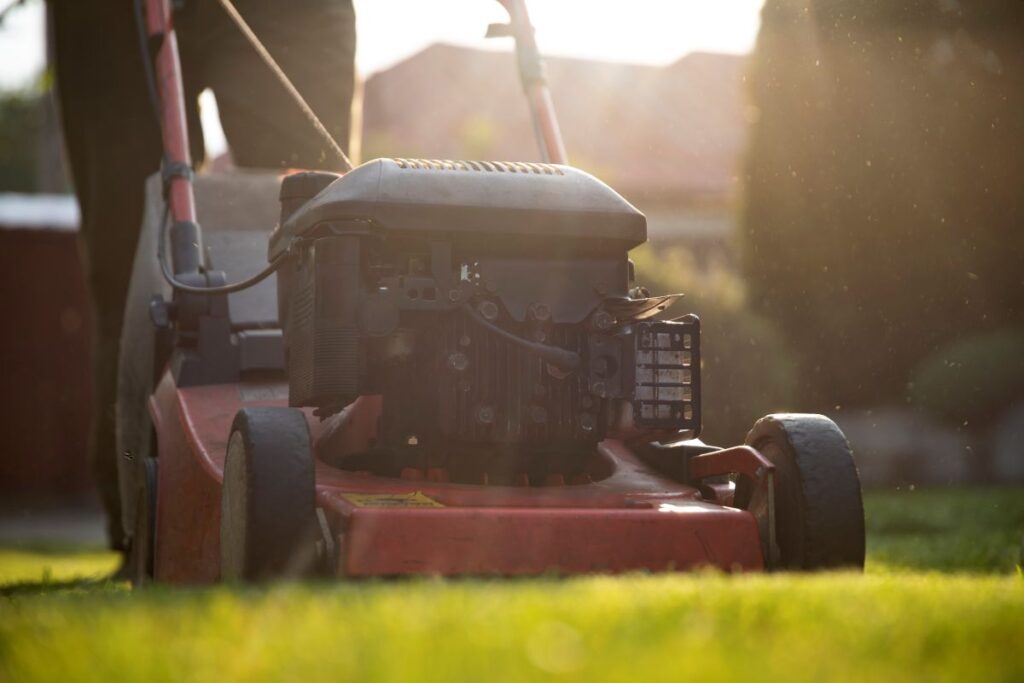
Many homeowners focus only on blade sharpness. And yes, dull blades cause tearing. But speed also plays a role.
Think of it like slicing a tomato. A sharp knife helps; but speed and pressure determine whether you slice cleanly or crush the fruit. With grass, ideal conditions include:
- Balanced engine speed
- Consistent rotation
- Proper maintenance
- Sharp blade edges
When all of these align, the clipping impact remains minimal. The lawn heals quickly. When one element fails, recovery slows.
How Clipping Impact Influences Turf Stress
Clippings aren’t just cosmetic debris. They reflect how the cut was made.
Large, uneven clippings suggest inconsistent blade contact. Pulverized or shredded debris often indicates tearing. The type of clipping affects how quickly the plant rebounds. Uniform clippings mean:
- Even cutting height
- Clean leaf separation
- Minimal tissue trauma
Shredded clippings signal excessive turf stress. Over time, repeated poor clipping patterns weaken overall plant vigor.
Why Turf Recovery Determines Long-Term Density
Fast turf recovery doesn’t just mean your lawn looks good next week. It determines long-term structural strength. When regrowth happens smoothly:
- Blade density increases
- Photosynthesis improves
- Root systems strengthen
- Stress tolerance rises
But when recovery lags, gaps appear. Those thin zones invite weeds and reduce uniformity. In Atlanta’s competitive, growing environment, density is protection. Healthy regrowth builds that protection cycle after cycle.
The Hidden Compounding Effect of Poor Mowing
One rough mowing session may not ruin your lawn. But repeated stress accumulates. Every uneven cut forces grass to divert energy toward repair instead of expansion. That repeated diversion weakens the plant’s resilience. Eventually, you may notice:
- Slower spring green-up
- Increased disease pressure
- Reduced heat tolerance
- Declining plant vigor
And the frustrating part? Many homeowners blame the fertilizer or the irrigation. In reality, mowing mechanics may be the root cause.
How to Support Faster Turf Recovery After Mowing
If you want stronger recovery cycles, focus on these fundamentals:
- Maintain consistent cutting height
- Sharpen blades regularly
- Avoid mowing during extreme heat
- Keep mower engines tuned
- Reduce sudden height reductions
These adjustments protect leaf tissue and limit turf stress. The goal isn’t to eliminate stress; that’s impossible. The goal is to keep it manageable so Turf Recovery happens efficiently.
Why Recovery Speed Matters More in Atlanta
Atlanta’s extended growing season means lawns endure more mowing events per year than in cooler climates. More mowing equals more potential stress. That’s why precision matters here.
In cooler regions, grass may only be cut occasionally. In Atlanta, weekly or bi-weekly mowing during peak growth is common. Small inefficiencies multiply over time. Faster recovery protects the lawn through long summers and into fall, strengthening the lawn during these periods.
Give Your Lawn the Edge It Deserves
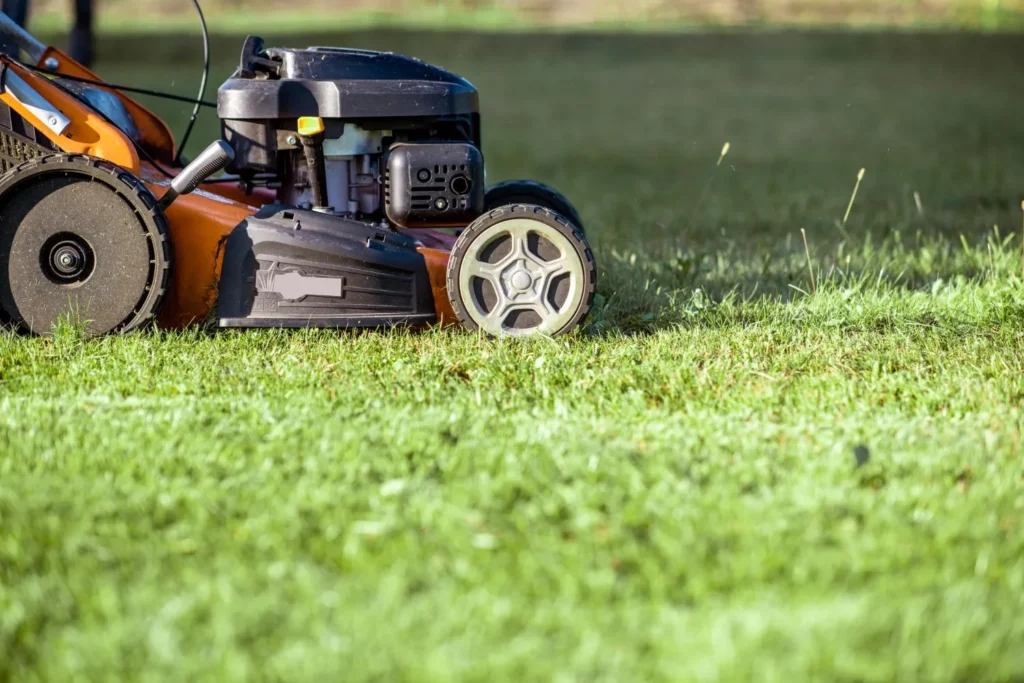
When mowing supports healthy turf recovery, your lawn becomes more resilient with each cycle.
At Weed Pro, we understand how subtle mechanical factors influence overall lawn health. From blade condition to cutting height strategy, small adjustments produce major improvements over time.
If your lawn struggles to rebound between mowing sessions, it may not be a fertilizer issue, it may be a mechanical one.
Support clean cuts. Reduce turf stress. And contact us today to get your lawn back on track.
Frequently Asked Questions
Does mower deck airflow affect Turf Recovery?
Yes, airflow beneath the mower deck influences how evenly grass stands upright before it is cut. Poor airflow can cause uneven slicing, which leads to inconsistent recovery patterns across the lawn.
Can electric mowers impact leaf tissue differently than gas models?
In some cases, yes. Electric mowers may operate at different torque levels, which can influence cutting efficiency under dense growth conditions. Blade maintenance remains critical regardless of mower type.
Should mowing patterns change throughout the season?
Yes. Alternating mowing direction reduces repetitive stress on the same leaf structures and encourages upright growth. This small change can positively influence overall plant vigor over time.
Up Next: How Light Patterns Shape Turf Density
Now that you understand how mowing mechanics influence Turf Recovery, it’s time to look at another major factor affecting Atlanta lawns. Read next: How Seasonal Light Shifts Change Turf Density in Tree-Heavy Atlanta Neighborhoods