Commercial landscapes across Georgia are shifting toward drip irrigation for one simple reason: it works. By delivering water directly to the root zone, drip systems cut waste, strengthen plants, and help properties manage rising water costs and seasonal restrictions. This guide explains why so many business parks, retail centers, HOAs, and corporate campuses are making the switch—and how thoughtful design and maintenance keep these systems performing year after year.
How Drip Irrigation Improves Water Efficiency
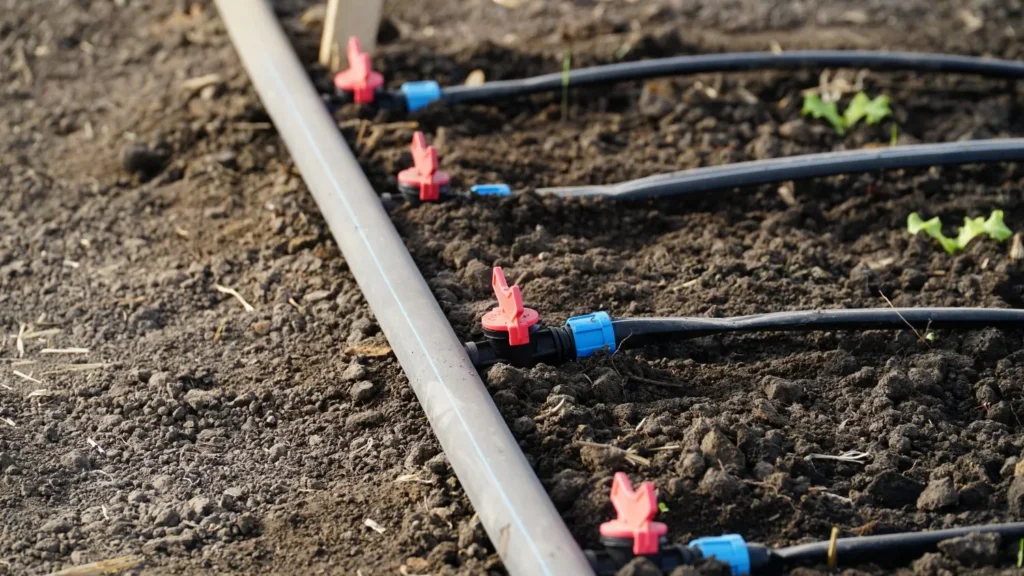
Drip irrigation uses emitters and low-volume tubing to apply water right where plants absorb it: the root zone. Because water isn’t sprayed into the air or across hard surfaces, less is lost to wind, evaporation, or runoff. Beds, shrubs, and trees receive steady moisture without overspray on sidewalks or building facades. An essential benefit for commercial sites with high foot traffic or compliance requirements.
This kind of precise application also makes it easier to meet sustainability goals and reduce pressure on irrigation budgets during the warm, dry periods common in the region.
Why Targeted Water Delivery Outperforms Sprinklers
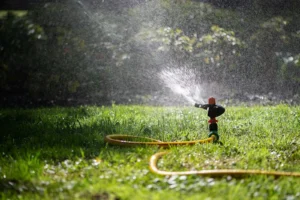
Targeted delivery is what sets drip apart. Instead of broadcasting water across an entire area, emitters deliver a controlled flow to each plant or zone. The soil surface stays drier, helping limit weed germination and lowering disease risk. Pressure regulators and well-designed dripline keep flows consistent, even across large or uneven planting beds.
For commercial properties, this means:
- Fewer wet surfaces and runoff issues
- Reduced waste around hardscape
- More uniform plant performance
- Better compliance during drought restrictions
The result is a healthier landscape that stays attractive through changing weather.
How Much Water Commercial Sites Can Save
Well-designed drip systems typically reduce irrigation water use by 30–50% compared to conventional sprinklers. The exact number depends on plant type, controller strategy, and the level of system maintenance. Smart controllers and flow monitoring can push savings toward the higher end of the range by adjusting schedules based on real-time conditions.
What Drives Efficiency?
| Design Feature | Attribute | Efficiency Gain |
| Root-zone emitters | Direct delivery to roots | 30–50% water reduction |
| Pressure regulation | Stable emitter flow | Reduced leaks and blowouts |
| Low-volume tubing | Minimal lateral loss | Less overspray and runoff |
Real, measurable savings come from a combination of good design and consistent seasonal tune-ups. That’s why commercial installations perform best when paired with a site assessment and professionally developed irrigation plan.
Understanding Cost Savings and Long-Term ROI
Drip irrigation provides savings well beyond the water bill. Lower water use reduces utility charges, but the ripple effect extends to other budget lines fewer fungal problems, fewer weed outbreaks, and fewer plant replacements.
A thoughtful ROI analysis weighs installation cost against:
- Seasonal water savings
- Reduced chemical inputs
- Lower plant loss
- Fewer overwatering repairs
Over time, these factors create a predictable, long-term return, making micro-irrigation a smart capital improvement for many commercial properties.
Why Drip Lowers Water Bills for Businesses
Atlanta’s seasonal humidity, heat, and tiered water rates make irrigation efficiency more critical than ever. A mid-sized commercial property that cuts irrigation demand by 40% can see a meaningful difference in seasonal utility costs. Businesses operating under local watering restrictions also benefit from systems that naturally comply with reduced watering schedules.
Tracking meter data before and after conversion provides the clearest picture of long-term savings and helps refine the irrigation schedule to improve efficiency over time.
Plant Health Benefits That Support Stronger Landscapes
Beyond saving water, drip irrigation helps landscapes thrive. Consistent moisture at the root zone encourages deeper, more resilient root systems. Plants stressed less by fluctuating moisture grow more evenly and are better equipped to handle summer heat or seasonal drought.
Other key health benefits include:
- Less foliage wetness → fewer foliar diseases
- Reduced weed pressure → lower herbicide needs
- Better nutrient uptake → stronger, more uniform growth
For high-visibility commercial landscapes, this results in fewer replacements and cleaner, more attractive planting beds.
How Drip Reduces Weeds and Limits Disease Pressure
Because drip systems avoid wetting the soil surface and plant foliage, they create less favorable conditions for weeds and fungal pathogens. This helps address common landscape problems, especially in shaded beds or areas with dense planting.
Routine tasks, such as flushing filters, checking emitters, and inspecting for clogs, keep the system operating efficiently and help prevent dry spots that could stress plants or lead to patchy growth.
Matching Irrigation Methods to Landscape Zones
Different areas of a commercial landscape benefit from different drip components.
| Plant Type/Zone | Irrigation Method | Observed Benefit |
| Shrub beds | Drip emitters | Deeper roots, more uniform vigor |
| Trees | Deep‑root drip | Reduced transplant shock |
| Planters | Micro‑irrigation | Consistent moisture, less runoff |
This mapping ensures each part of the landscape receives the right moisture at the right rate
Maintenance and Support That Protect Long-Term Savings
To keep drip systems running efficiently, you need:
- Routine inspections
- Filter cleaning and emitter flushing
- Seasonal start-up and winterization
- Repairs for leaks, clogs, or pressure issues
Improve Water Efficiency Across Your Commercial Property
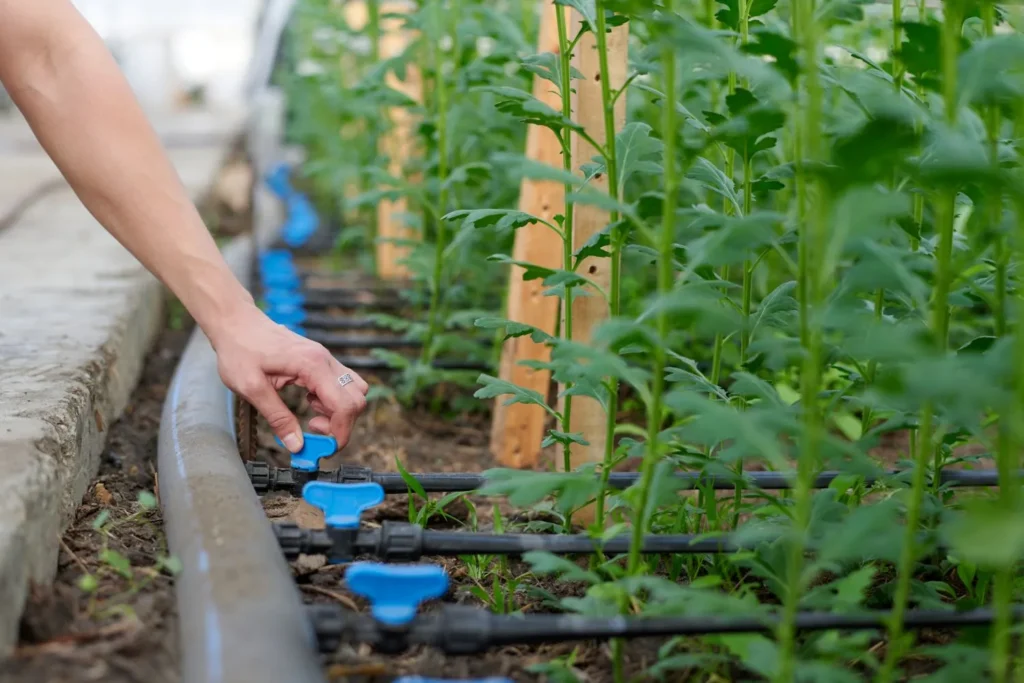
Drip irrigation offers a clean, efficient way to water commercial landscapes while reducing utility costs and preventing runoff. Whether you’re managing an office park, multi-building complex, or community space, the right system can dramatically improve plant health and reduce maintenance needs. Our team designs and installs commercial irrigation solutions tailored to local soil conditions and water-use goals.
Contact us today to request a consultation and learn how drip irrigation can help you improve efficiency and protect your landscape investment.
Frequently Asked Questions
Does drip irrigation reduce overall water usage?
Yes, drip systems target the root zone directly, minimizing overspray and evaporation waste. Most commercial properties see noticeable reductions in water bills.
Is drip irrigation difficult to maintain?
No, routine maintenance mainly involves checking filters and inspecting lines. When installed properly, the system runs quietly and efficiently with minimal upkeep.
Will drip irrigation work in Georgia’s clay soil?
Absolutely, drip systems excel in both clay and sandy soils. The slow, steady water delivery improves absorption and reduces runoff.
Next : Mulch Depth Affects Soil Temperature
Visit : How Mulch Depth Affects Soil Temperature, Moisture, and Root Health.