Warm-season grasses in Georgia, Bermuda, Zoysia, and Tall Fescue wake up fully just as our temperatures climb. Summer can be tough on lawns, especially in clay soils, with heat waves and quick shifts between dry spells and heavy storms. By tuning up lawn care, soil health, adjusting watering habits, and strengthening turf early, you can help your lawn stay greener and more resilient through the hottest months. Here’s a simple, regional approach to preparing your yard for summer.
Understanding Summer Fertilization for Warm-Season Lawns
Warm-season turf needs steady nutrition going into summer, but timing matters. A soil test is always your starting point because it shows whether your yard needs nitrogen, potassium, or a pH adjustment before the heat arrives. Once you know what your soil lacks, choose a slow-release fertilizer that feeds gradually through stress periods. Unlike quick-release products, slow-release options help maintain color and root strength without overwhelming the grass during hot stretches.
Apply fertilizer after your lawn has fully greened up, typically in late spring. Stick to label directions and avoid using heavy nitrogen during peak heat, which can push out weak top growth and increase disease risk. A single well-timed, slow-release application often carries a healthy lawn through most of summer.
Managing Common Summer Weeds in Georgia
Summer weeds thrive where turf is thin, or soil stays compacted and damp. Crabgrass, dollarweed, nutsedge, clover, and spurge are among the most common issues in Atlanta lawns.
Preventing them starts long before summer by using a pre-emergent earlier in the season. If a few weeds slip through, spot-treating with selective post-emergents keeps them from spreading. Mowing at the right height and maintaining steady turf growth also make a big difference. Dense, well-fed turf shades the soil and naturally limits new weed germination.
Think of weed pressure as a sign of underlying stress. If weeds seem to return every summer, you may need to address compaction, watering routines, or nutrient levels.
Watering Practices That Support Deep, Summer-Strong Roots
Proper watering is one of the biggest factors in summer lawn health. Deep, infrequent watering encourages roots to grow downward, helping turf survive heat and drought. Aim for about 1 to 1.25 inches of water per week from rainfall or irrigation.
Clay soils hold water longer and do better with deeper, less frequent watering. Sandy areas drain quickly and may need shorter, more frequent cycles. Water early in the morning to limit evaporation and reduce the chance of fungal activity.
A simple screwdriver test can help you see whether moisture is reaching the root zone; if it slides in easily for several inches, your watering depth is on track. Adjust as temperatures rise or if rainfall becomes irregular.
Aeration Before Summer: Why It Makes a Difference
Compacted clay soils often struggle to absorb water, which leads to runoff, shallow roots, and summer stress. Aeration opens the soil so air, water, and nutrients move where roots need them most.
Core aeration, pulling small plugs from the lawn, is the most reliable method for heavily compacted yards. It creates long-lasting channels that help turf take up fertilizer and water more efficiently. Liquid aeration works well as a supplemental option or for lawns that need gentler treatment with less surface disruption.
Late spring through early summer is the ideal time to aerate warm-season grasses. They recover quickly during active growth and are better prepared for heat once their roots have room to expand.
Building a Reliable Summer Watering and Irrigation Routine
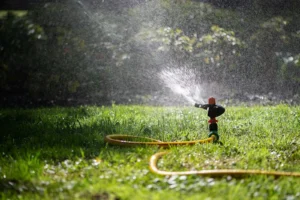
Smart irrigation systems are becoming popular for a reason; they adjust watering times based on rainfall and temperature, helping lawns stay hydrated without wasting water. These systems are also helpful during summer drought restrictions, which are common in some regions.
Even without a smart controller, a simple seasonal tune-up improves performance:
- Check for clogged or misaligned heads
- Measure zone output with a rain gauge
- Look for runoff or dry patches in clay-heavy areas
Small tweaks early in the season can prevent larger issues later.
Keeping Turf Resilient Through Heat and Drought
Once summer heat settles in, small habits help protect your lawn’s stress tolerance:
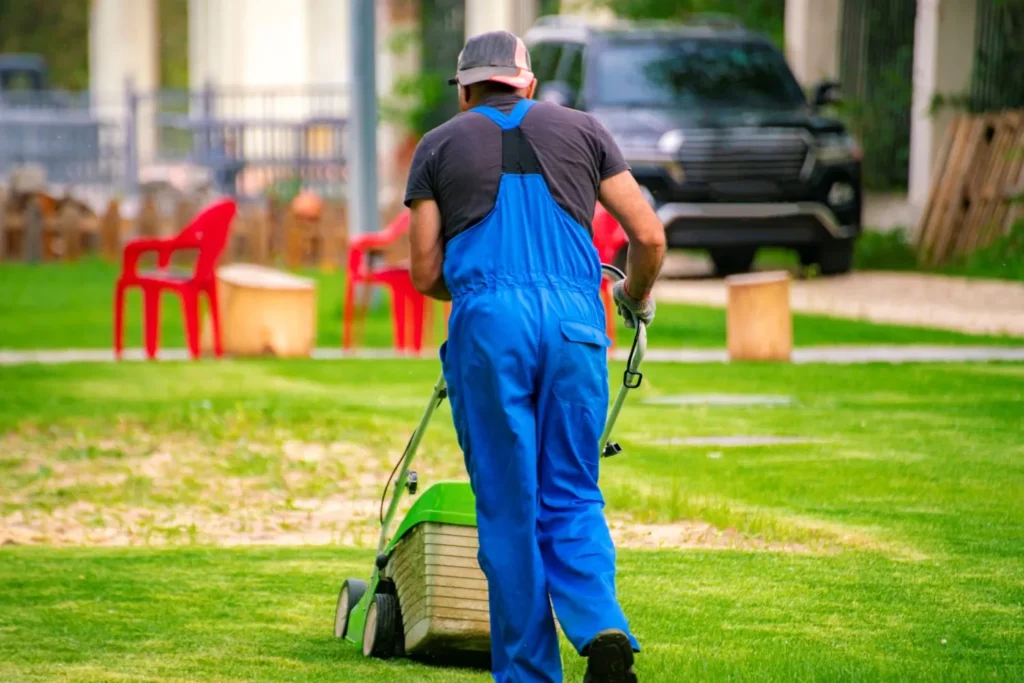
- Raise your mowing height slightly to shade the soil.
- Avoid heavy fertilizer applications during peak heat.
- Keep an eye out for early drought stress, such as footprints that linger or a bluish-gray tint.
- Monitor drainage in low areas after storms to prevent fungal issues.
Healthy warm-season grasses naturally toughen as temperatures climb, but providing the right conditions enhances their ability to withstand long, dry spells.
Get Your Lawn Ready Before the Heat Arrives

Georgia summers can be hard on turf, but a well-timed preparation plan helps your lawn stay green, resilient, and drought-ready. Whether you need help with seasonal fertilization, irrigation adjustments, or a warm-season maintenance schedule, our team can give your lawn the strong start it needs. We customize every plan to local soil and seasonal conditions for long-lasting health.
Contact us today to schedule a summer prep assessment and make sure your yard is ready for the hotter months ahead.
Frequently Asked Questions
When should you start preparing your lawn for summer?
Most summer preparation begins in late spring once your turf has fully greened up. Preparing early helps reduce heat stress during the hottest months.
Should you fertilize during summer heat?
Light, slow-release applications may be recommended, but heavy fertilization in extreme heat can stress the turf. Soil testing ensures you use the right amount at the right time.
How often should you adjust your irrigation schedule?
Weekly checks are best, since rainfall and temperatures can change quickly. Gradual adjustments help prevent overwatering and fungal issues.
Reference Section: Next Article in Series
Read next: Lawn Pest Control in Cumming: Practical Solutions for Homeowners.