Key Takeaways
- An effective sprinkler system delivers even coverage, avoids runoff, and matches water to each area’s actual needs.
- The “big four” of efficiency are: proper heads, smart zoning, correct pressure, and sensors/controllers that respond to weather.
- Seasonal tune-ups and simple repairs (such as unclogging and aligning heads) prevent dry spots and wasted water.
- Smart controllers and moisture or rain sensors can cut water use by noticeable amounts on Atlanta and North Georgia lawns without sacrificing turf health.
- A professional assessment can uncover hidden issues, optimize zones, and design water-efficient upgrades tailored to your yard.
What Makes a Sprinkler System Truly “Effective”?
A sprinkler system does more than turn on and off. When it’s designed and maintained well, it:
- Delivers even coverage from corner to corner
- Handles sunny turf, shady areas, beds, and slopes without overwatering any of them
- Adjusts runtimes for heat waves, afternoon storms, and seasonal changes
- Uses just enough water to keep your lawn healthy, not a drop more than needed
For Atlanta and North Georgia homeowners, that means balancing clay-heavy soils, summer heat, and mixed landscapes.
Core Components of an Efficient Sprinkler System
An irrigation system is a team effort. Each part plays a specific role in water efficiency and coverage.
Main Components and What They Do
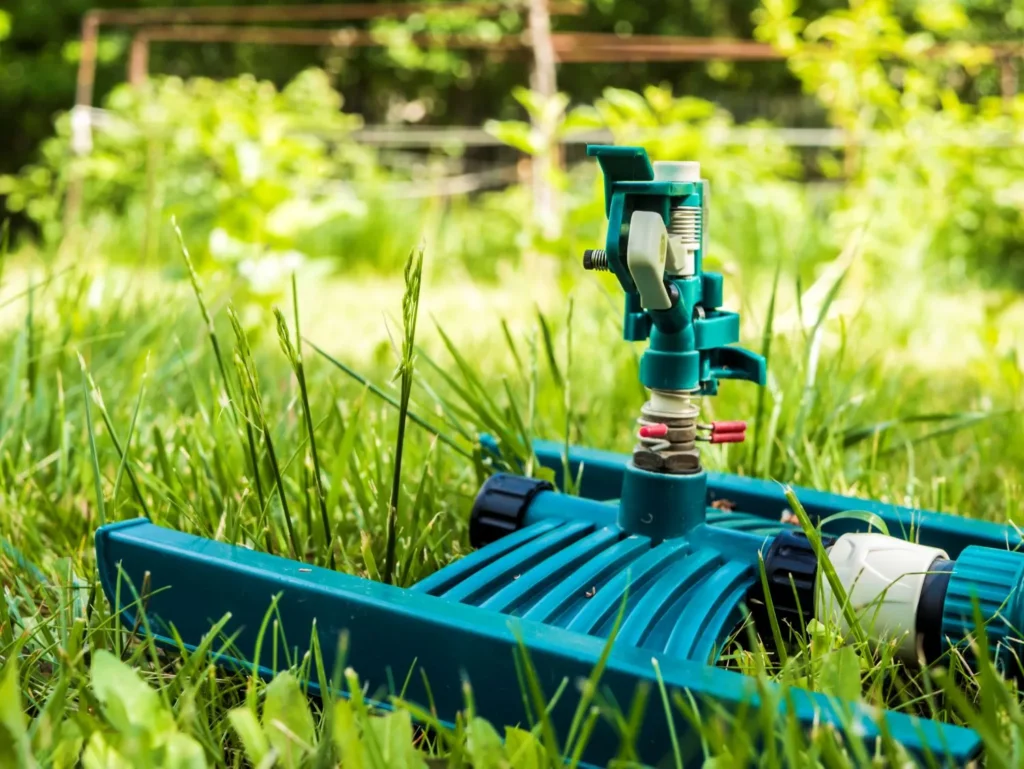
- Sprinkler heads – Apply water to specific areas in a chosen pattern and radius.
- Valves and piping – Control flow to each zone and move water around your property.
- Controller – Tells each zone when to run and for how long; “smart” versions respond to weather conditions.
- Sensors (rain/soil moisture) – Pause watering when conditions are already wet or the soil is adequately moist.
When these pieces are sized correctly and working together, you avoid:
- Puddles and runoff on clay or slopes
- Dry patches between heads
- Watering during or right after rain
From there, the most important decisions are head choice, zoning, and controls.
Choosing Sprinkler Heads That Improve Coverage and Save Water
The type of sprinkler head you use has a significant impact on efficiency and uniform coverage.
Common Head Types and Best Uses
| Head Type | Spray Pattern | Range / Water Efficiency | Best Use |
| Pop-up spray | Fixed spray | Short range, higher precipitation rate | Small lawns, narrow strips |
| Rotor / rotary | Rotating stream | Longer range, lower precipitation rate | Large turf areas, efficiency |
| Micro-sprinkler / drip | Fine mist or drip | Very low evaporation, high efficiency | Beds, shrubs, slopes |
Why Head Selection Matters in Atlanta & North Georgia
- Clay soils can’t absorb heavy spray quickly, so rotors or cycle-and-soak settings help prevent runoff.
- Beds and plantings often do best with drip or micro-sprays, which get water right to the root zone with minimal waste.
- Within each zone, using matching nozzles and head types keeps precipitation rates consistent, preventing uneven green stripes.
Head-to-head coverage, where each head throws water far enough to reach the next one, is key to avoiding dry gaps.
Controllers and Sensors: The “Brain” of an Effective System
Even with the right hardware in the ground, your system’s performance depends heavily on what the controller is telling it to do.
Controllers: Basic vs. Smart
- Basic controllers run fixed schedules: set days, times, and runtimes.
- Smart controllers adjust with:
- Local weather data and forecasts
- Rain or soil-moisture sensors
- Seasonal changes in daylight and temperature
How Sensors Help
- Rain sensors stop irrigation after measurable rain, preventing soggy lawns and wasted water.
- Soil-moisture sensors measure how wet the root zone actually is and can pause cycles until the soil truly needs water.
When controllers and sensors work together and your zones are well planned, the system can respond to microclimates across your yard rather than treating everything the same.
Smart Irrigation: Using Technology to Cut Waste and Protect Turf
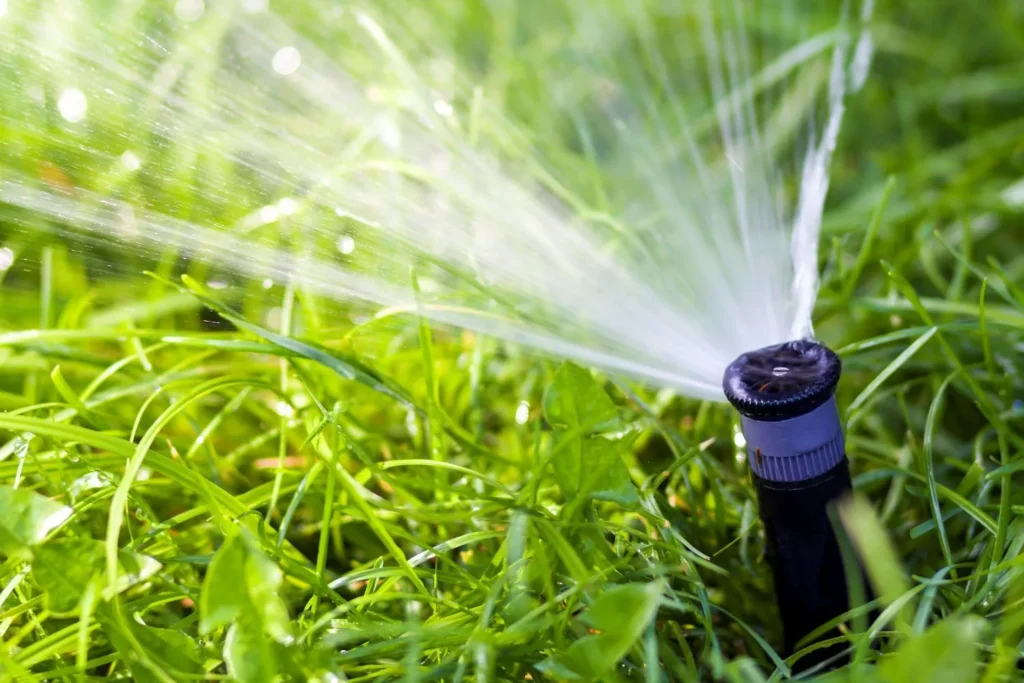
Smart irrigation goes beyond convenience ,it’s one of the most effective ways to reduce outdoor water use while improving lawn health.
Benefits of Smart Controllers for Homeowners
- Automated savings – Adjusts runtimes and skips cycles based on weather and evapotranspiration (ET) data.
- Convenience – Change programs, pause watering, or update seasonal schedules from your phone.
- Healthier turf – Encourages deeper roots with better-timed watering, reducing disease risk from chronically wet conditions.
Key Smart Features and What They Do
| Controller | Feature | Expected Water Savings / Use-Case |
| Weather-based smart | Uses forecast and local ET data | 20–40% savings; ideal for variable climates |
| Wi-Fi remote control | Cloud connectivity and mobile app | Convenience and quick adjustments |
| Soil-moisture integration | Direct moisture feedback | Precise watering for mixed landscapes |
On Atlanta-area lawns, these tools help you avoid common issues like watering after afternoon showers or running the same long cycles in cool, wet fall weather.
Custom Watering Zones: Matching Water to Each Area’s Needs
Even the smartest controller can’t fix poor zoning.
Why Zoning Matters
Zones should group areas that share:
- Sun exposure (full sun vs. shade)
- Plant type (turf vs. shrubs vs. groundcover)
- Slope and soil type (flat vs. sloped clay)
This lets you:
- Run longer, less frequent cycles on sunny turf for deep watering
- Use shorter, gentler cycles in shaded zones to avoid saturation
- Put beds on drip or micro-spray with different schedules than the grass
A Simple Zoning Layout Example
- Zone 1: Front lawn (full sun) – rotors, deeper, less frequent watering
- Zone 2: Back lawn (partial shade) – rotors or sprays, shorter runtimes
- Zone 3: Beds and shrubs – drip or micro-sprays, fewer but longer soaks
- Zone 4: Slopes – low-precipitation heads with cycle-and-soak programming
Designing zones this way makes your controller’s job easier and delivers direct water savings.
Maintenance and Troubleshooting: Keeping Your System Effective
Even the best design needs regular checkups.
Seasonal Maintenance Checklist
| Task | Frequency / Timing | Why it matters / Quick fix |
| Inspect and clean nozzles | Spring and mid-summer | Restores uniform spray; remove debris and flush lines |
| Check controller schedule | Seasonal and after storms | Ensures program matches season; adjust runtimes |
| Test valves and piping | Annual and after heavy rain | Detects leaks and faulty zones; tighten or replace solenoids |
| Winterization/start-up | Fall and spring | Prevents freeze damage; drain or blow out lines as needed |
Common Problems and Simple Fixes
- Uneven coverage or dry spots
Check for clogged nozzles, tilted heads, or blocked spray patterns.
- Misting and fine spray
Indicates too much pressure. Consider pressure-regulating heads or valves.
- Low pressure in a single zone
Look for leaks, broken heads, or partially closed valves.
- Constantly soggy areas
Adjust runtimes, fix leaks, or move heads; consider switching that area to drip.
If problems keep returning, or if you suspect valve or mainline issues, it’s usually time to call a pro.
Why Water-Saving Sprinkler Design Matters
Water efficiency isn’t just about a lower bill—though that’s a nice bonus.
Key Benefits of an Efficient System
- Lower utility costs – Smart scheduling, modern heads, and sensors reduce unnecessary runtime.
- Environmental protection – Less runoff means fewer fertilizers and nutrients washing into storm drains.
- Healthier turf – Deep, infrequent watering encourages stronger root systems and reduces disease pressure.
Simple starting points:
- Audit each zone’s runtime and look for obvious overspray.
- Add a rain sensor if you don’t already have one.
- Convert high-use beds and slopes to drip or micro-irrigation.
Those minor upgrades can make a noticeable difference in both water use and lawn performance.
Let Weed Pro Dial In Your Irrigation System
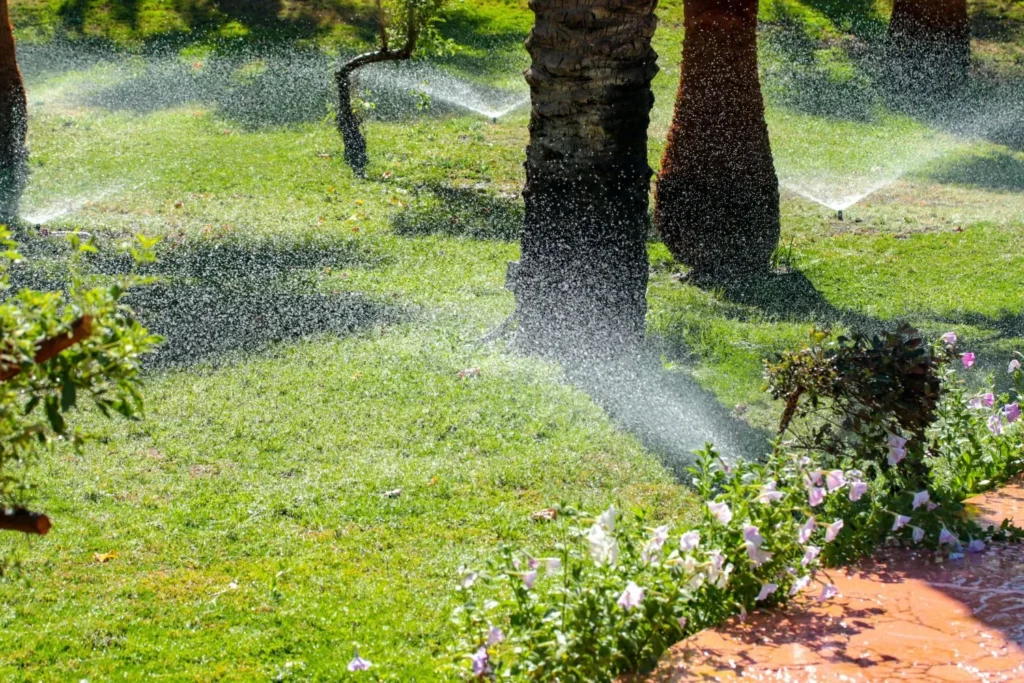
Designing and maintaining a truly effective sprinkler system takes more than twisting a few nozzles. It means understanding your yard’s layout, soil, and sun patterns, and matching them to modern irrigation tools and schedules.
Weed Pro Lawn Care serves the Atlanta and North Georgia area with:
- Custom irrigation design and new system installation
- Upgrades to smart controllers, efficient heads, and drip zones
- Seasonal maintenance, troubleshooting, and winterization
- Property assessments that identify dry spots, overwatered areas, and zoning issues
Want a system that waters smarter, not harder? Request an on-site evaluation with Weed Pro and get a clear plan and transparent pricing for making your sprinkler system more efficient, reliable, and lawn-friendly.
Frequently Asked Questions
How often should you have your sprinkler system inspected?
At a minimum, once in spring and once in mid-summer. Spring checks catch winter damage and programming issues, while mid-summer visits focus on pressure, coverage, and runtime adjustments during peak use. Adding a fall review and winterization is ideal for long-term system health.
Is it worth upgrading to a smart controller if your system is older?
Often yes—if the basic layout and hardware are still solid. A smart controller paired with rain or soil-moisture sensors can immediately cut unnecessary watering. However, if your system has major zoning or head placement issues, those design issues should be addressed alongside (or before) the upgrade.
Can you mix spray heads and rotors in the same zone?
It’s not recommended. Sprays and rotors typically have very different precipitation rates, so mixing them in a single zone results in uneven watering. Each zone should use a single head type and matched nozzles wherever possible, so that all areas receive water at a similar rate.