Key Takeaways:
- Organic weed control works best as prevention, not correction
- Summer heat and turf stress weaken organic suppression
- Weeds adapt faster than turf under mid-season conditions
- Soil biology slows down during heat stress
- Professional adjustments improve long-term results
Why Organic Weed Control Looks Effective in Spring
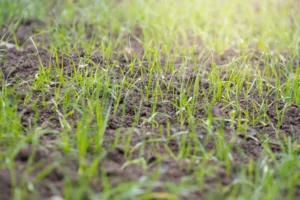
Organic weed control often starts the season strong, which is why many homeowners believe it’s working perfectly. Spring brings cooler temperatures, consistent moisture, and active turf growth, all conditions that favor natural suppression methods. At this stage, turfgrass can outcompete young weeds, and organic products appear to keep unwanted growth in check.
The problem is that spring conditions are temporary. What works when turf is vigorous doesn’t always hold up once the lawn enters summer stress. Organic programs don’t usually fail immediately; they fade as environmental pressures increase.
What Organic Weed Control Is Actually Designed to Do
Organic weed control is not designed to kill weeds on contact. Instead, it works by making the lawn less welcoming for weed establishment over time. This distinction matters, especially when expectations don’t match reality.
Organic programs focus on improving turf competition, soil structure, and surface conditions so that weed seeds struggle to establish. When weeds are already mature or aggressively spreading, organic methods have limited corrective power.
Why Mid-Season Conditions Shift the Balance
By early summer, lawns experience a completely different environment. Heat increases soil temperature, rainfall becomes less predictable, and turfgrass growth naturally slows. These shifts change how both turf and weeds behave.
Weeds are biologically wired to exploit stress. Turfgrass, on the other hand, prioritizes survival over expansion during extreme conditions. That imbalance is where organic weed control starts to lose ground.
How Heat Stress Weakens Organic Weed Control
Heat stress reduces turf density, shallowens root systems, and slows recovery from mowing or foot traffic. At the same time, many common weeds thrive under exactly those conditions. When temperatures climb:
- Turf grows more slowly and repairs damage poorly
- Soil moisture becomes inconsistent
- Organic pre-emergents degrade faster
This combination allows weeds to break through surface-level suppression that worked earlier in the season.
The Hidden Role of Soil Biology
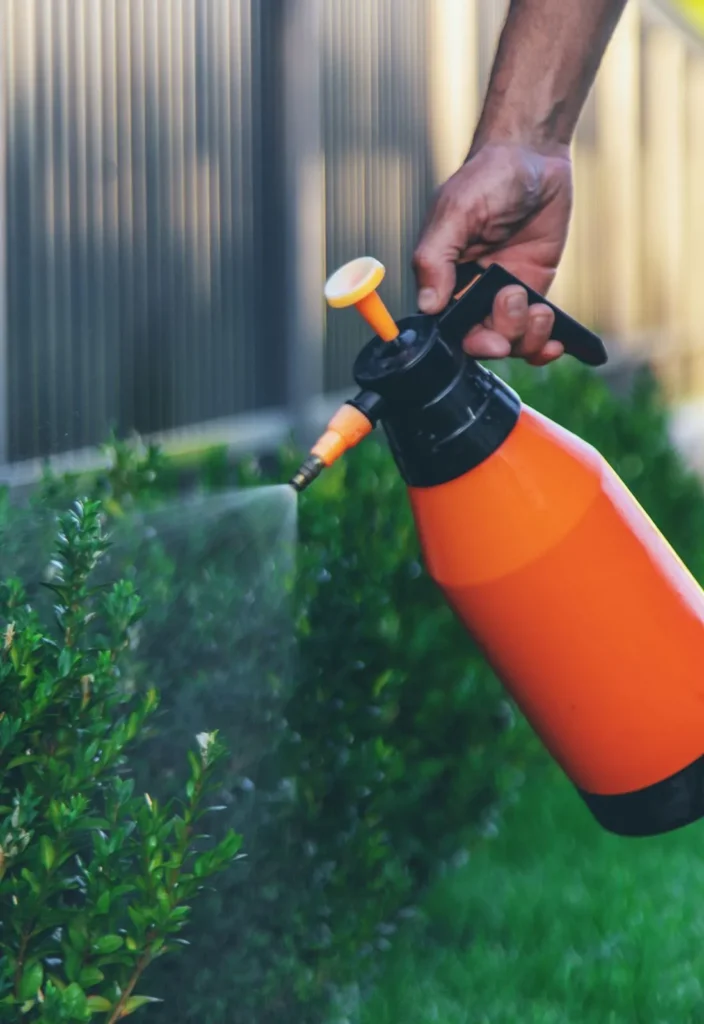
Organic weed control depends heavily on living soil systems. Microorganisms help process organic materials and support nutrient cycling, which strengthens turf. Unfortunately, soil biology doesn’t perform consistently year-round.
During hot, dry periods, microbial activity slows dramatically. Compacted soils limit oxygen exchange, further reducing biological efficiency. As soil life declines, organic inputs lose much of their effectiveness, right when weed pressure is increasing.
Why Weeds Gain an Advantage Mid-Season
Weeds don’t need ideal conditions to succeed. Many species germinate quickly, tolerate compacted soil, and require fewer nutrients than turfgrass. That makes them highly competitive when lawns are stressed. Mid-season weed advantages include:
- Faster germination in warm soil
- Lower water requirements
- Rapid seed production
- Strong tolerance to compaction
Organic programs struggle to counter these advantages without reinforcement.
| Weed Pro Lawn Care: Local Lawn & Outdoor Pest ExpertsReliable Service Backed by Results You Can SeeChoose the Right Lawn Care Solution for Your Property:Complete Lawn Care Programs: Ongoing, customized lawn care plans designed to strengthen turf, improve soil health, and reduce weeds.Targeted Weed & Pest Control: Focused solutions for persistent lawn weeds, invasive pests, and seasonal pressures such as mosquitoes and surface insects. Irrigation & Lawn Health Support: Professional support for irrigation efficiency, aeration, overseeding, and soil conditioning to improve water absorption, reduce runoff, and help lawns recover from compaction, disease, or environmental damage.Customer Praise:“It has been about a year since Weed pro is serving my property. I hired them as my old lawn care company pretty much damaged my lawn. I can say that I have seen huge improvement in my lawn appearance since Weed pro is doing the service. Weed pro is very professional and courteous. I have met with couple of their technicians and they are very well qualified! Thank you for bringing my lawn back to life!” – Maria V.Why Homeowners Choose Weed Pro Lawn Care:Locally owned and operated, serving North Georgia communitiesExperienced technicians trained in region-specific lawn and pest challengesCustomized service plans based on property conditions, not one-size-fits-all programsEnvironmentally responsible treatments with a focus on long-term lawn healthClear communication, reliable scheduling, and service you can trustSchedule your Service Today! |
The Limitations of Organic Pre-Emergents
Organic pre-emergents do not form long-lasting barriers in the soil. Their effectiveness depends on precise timing and favorable conditions, both of which are difficult to maintain during summer.
Once weeds emerge, organic options provide very limited control. This is where many homeowners realize that prevention alone isn’t enough to manage mid-season pressure.
Why Cultural Practices Can’t Carry the Load Alone
Mowing, watering, and fertilization are essential, but they can’t overcome biology and climate on their own. Even well-maintained lawns can struggle when heat, compaction, and moisture stress stack up.
Without adaptive adjustments, organic programs often fall behind by midsummer not because they’re flawed, but because they’re incomplete.
When Organic Weed Control Still Makes Sense
Organic weed control works best when lawns are already healthy, and weed pressure is low. It’s most effective as part of a long-term strategy rather than a standalone solution.
Lawns with strong root systems, balanced soil, and consistent maintenance can benefit from organic approaches; but only when expectations align with what those methods can realistically deliver.
Smarter Weed Control Starts With Weed Pro
If weeds surge every summer despite your best efforts, the issue isn’t effort, it’s strategy. Organic weed control needs to be applied with a clear understanding of turf stress, soil conditions, and seasonal pressure.
Weed Pro builds weed management programs that adapt as conditions change, helping lawns stay competitive through the toughest months. Contact us today to schedule a lawn evaluation and learn how to strengthen weed suppression without sacrificing long-term turf health.
FAQ
Why does organic weed control stop working in summer?
Heat stress, soil compaction, and reduced microbial activity weaken organic suppression just as weeds become more aggressive.
Can organic weed control work long-term?
Yes, but only when paired with proper soil management, turf density, and realistic expectations.
Should organic programs be adjusted mid-season?
Absolutely. Mid-season adjustments are often the difference between success and failure.
Continue Learning About Weed Pressure
Next, explore how landscape structure contributes to weed problems in Why Mulch Beds Collapse Without Subsurface Preparation.