Overseeding improves turf density by introducing new grass seed into existing lawns, helping fill in thin or bare areas.
Overseeding is the process of adding new grass seed to an existing lawn to improve density, coverage, and overall turf quality. It is often used to strengthen thinning areas and support long-term lawn performance.
Last Updated: March 2026
Request a Quote

Georgia’s climate creates seasonal stress on turf, especially during hot summers and transitional weather periods. Overseeding is often used to improve density after stress or thinning. Grass type and seasonal timing are important, as different turf varieties respond differently to Georgia conditions.
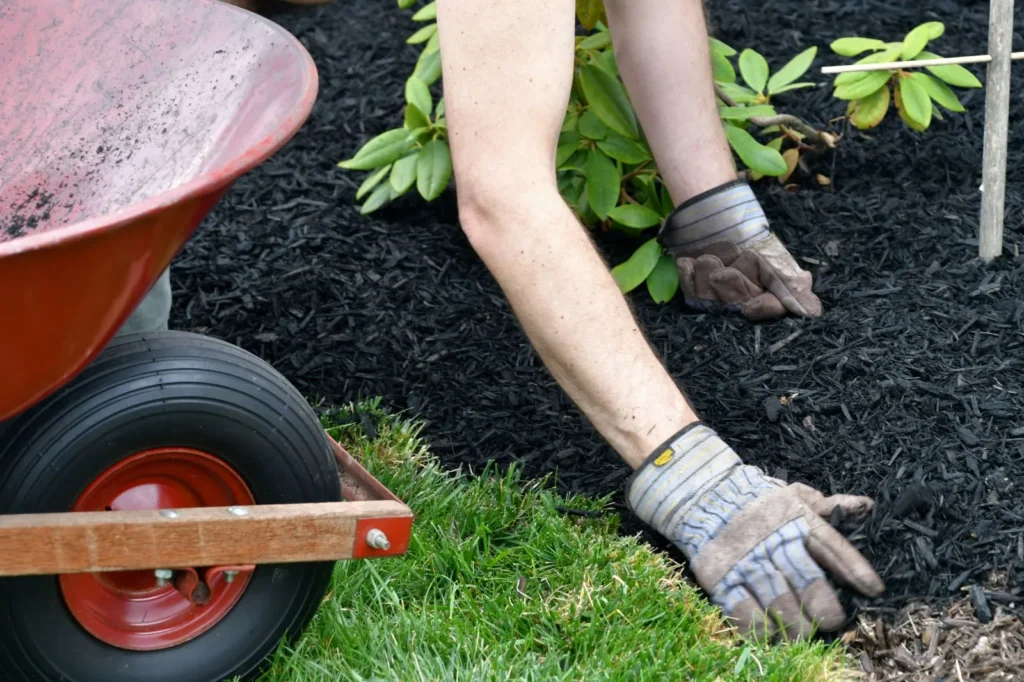
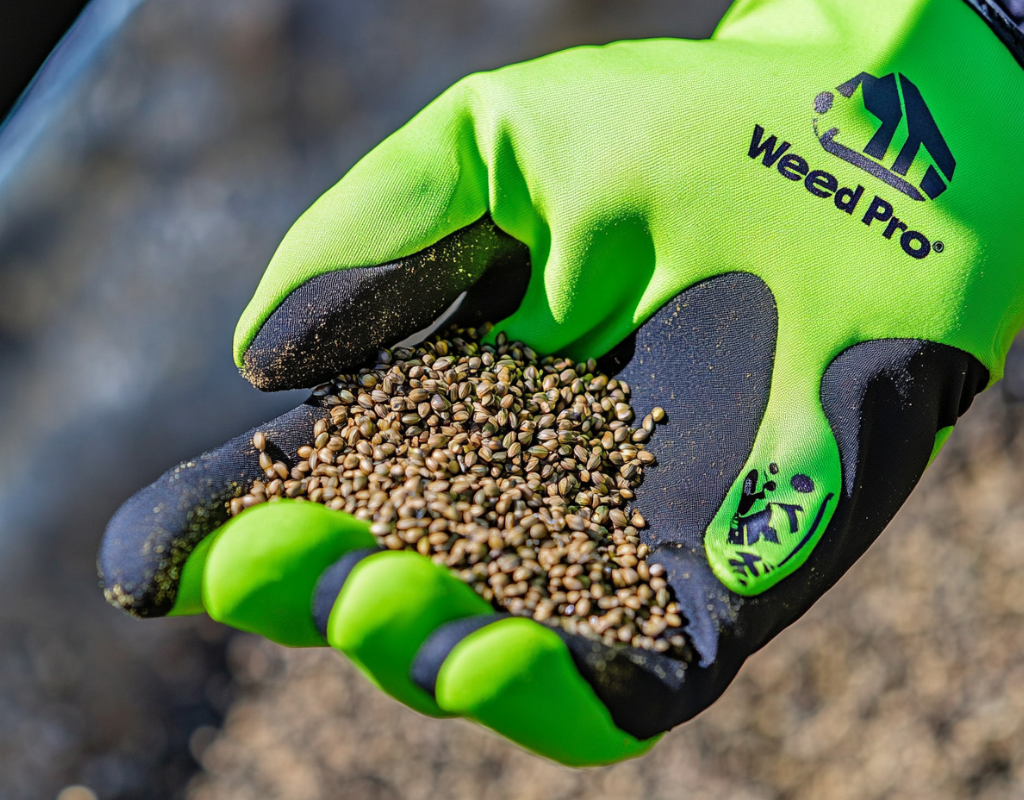
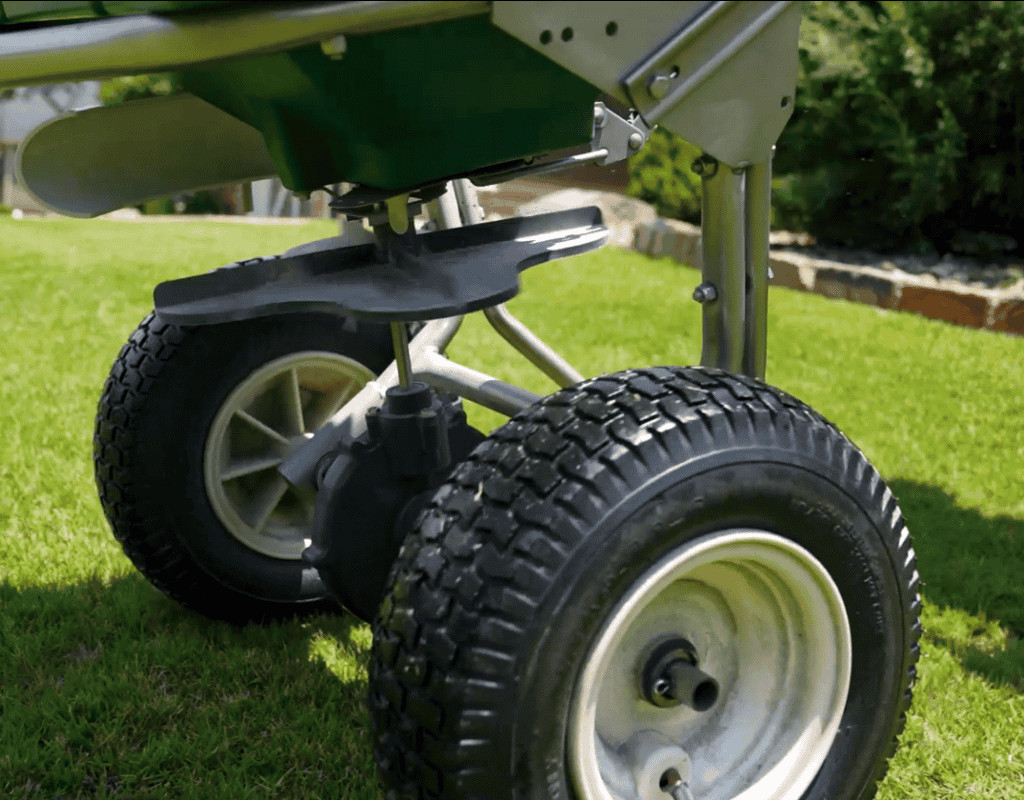
Overseeding improves turf density and helps lawns recover from thinning or stress. Stronger, thicker grass supports long-term lawn health and weed resistance.
Overseeding involves spreading grass seed into an existing lawn to improve density and fill in thin or bare areas.
Yes. When combined with proper timing, soil conditions, and watering, overseeding can improve lawn thickness and overall turf quality.
Timing depends on grass type and seasonal growth patterns. Overseeding is most effective when conditions support seed germination and establishment.
Germination time depends on seed type, temperature, and moisture conditions. Visible improvement develops gradually as new grass establishes.
Yes. Thicker turf reduces the space and resources available for weeds, helping improve long-term weed resistance.
Not all lawns require overseeding. It is typically recommended when turf density has declined or areas of the lawn have become thin.
For more lawn care guidance and seasonal answers, visit our lawn care answers page.