Irrigation efficiency directly impacts lawn treatment performance by ensuring even nutrient absorption and reducing stress-related turf decline.
Irrigation management focuses on delivering consistent and efficient water coverage to support nutrient absorption and turf stability. Proper system performance directly influences lawn care results.
Last Updated: March 2026
Request a Quote

Georgia summers create heat stress conditions that require consistent irrigation performance to maintain nutrient uptake and turf stability. High humidity in the Atlanta metro area can also increase the likelihood of turf fungus during transitional seasons, making moisture management and coverage consistency especially important.
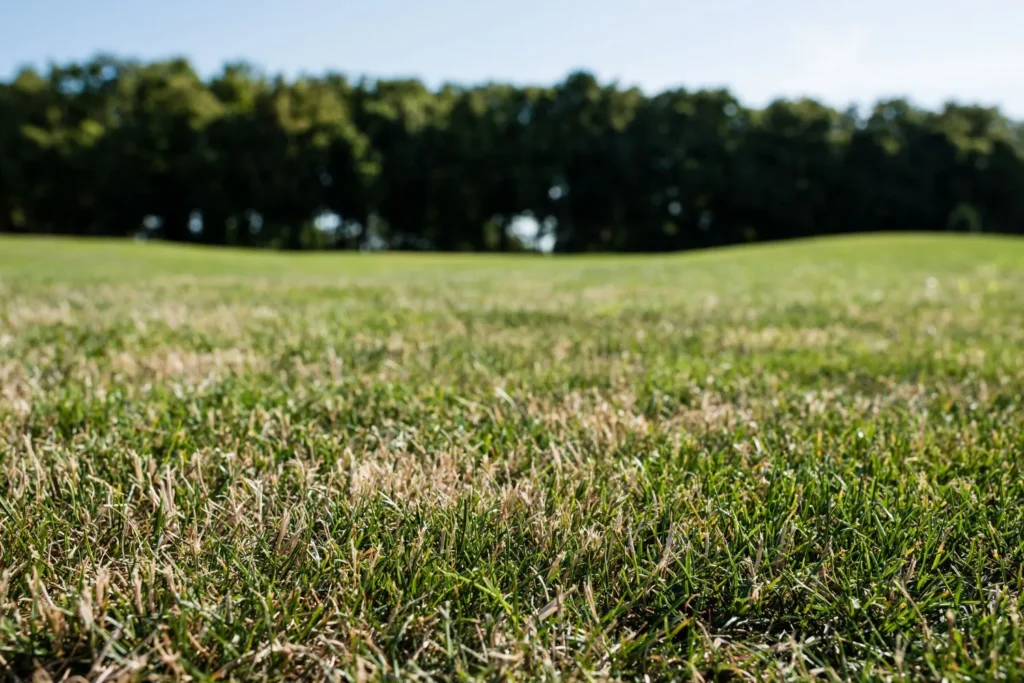
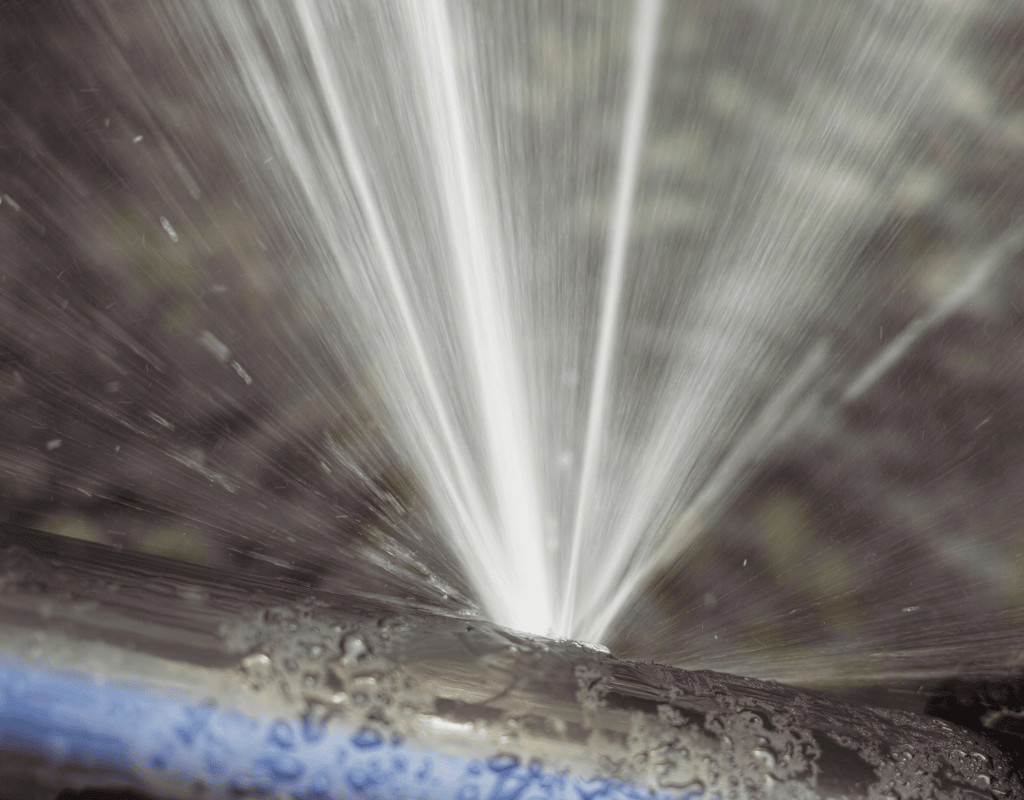

Irrigation performance influences treatment effectiveness by ensuring even water distribution and nutrient absorption.
Yes. Uneven watering can limit nutrient uptake and create stress areas where weeds may establish more easily. Proper irrigation supports the overall effectiveness of lawn treatments.
An irrigation diagnostic is an on-site assessment of your sprinkler system to identify issues such as coverage gaps, leaks, pressure problems, or inefficiencies.
Consistent and accurate watering supports nutrient absorption, root development, and overall turf stability. Even well-structured lawn care programs depend on proper irrigation to perform effectively.
Signs of irrigation issues may include dry spots, pooling water, uneven growth, unusually high water bills, or inconsistent sprinkler performance.
Periodic inspections help identify leaks, valve issues, or coverage problems before they impact lawn performance. Frequency depends on system age and usage.
Yes. Irrigation services are evaluated separately, but they directly support the performance of fertilization and weed control programs.
For more sprinkler and lawn support guidance, visit our irrigation questions page.