Lawns in Cumming deal with a mix of heat, humidity, clay soil, and dense tree cover conditions that make certain pests more active and harder to control. When populations grow at the wrong time of year, they can weaken turf, create safety risks, and undo even the best lawn-care efforts. Understanding which pests are most common in Forsyth County, how seasonal weather shapes their behavior, and which treatments actually work here helps homeowners make smart, well-timed decisions. Here’s a clear look at how to identify local pests early and how professionals approach treatments.
Why Local Pest Knowledge Matters for Cumming Lawns
Pest problems in Cumming don’t follow the same patterns seen elsewhere in Georgia. Warm, humid summers and mild winters extend the active season for many insects, and clay soil slows drainage, creating conditions that encourage turf damage and breeding sites. Local timing is everything: treating grubs too late, ignoring early fire ant activity, or waiting until mosquitoes surge can mean more applications and slower recovery. A region-specific approach, one that follows local life cycles and weather patterns, keeps treatments more effective, more precise, and less dependent on broad chemical use.
Common Lawn Pests to Watch for in Cumming
Several pests show up regularly in Forsyth County, and each has clear signs you can spot with a quick walk through the yard.
- Grubs weaken turf by feeding on roots, leading to brown, spongy patches that lift easily. Damage peaks in late summer and early fall.
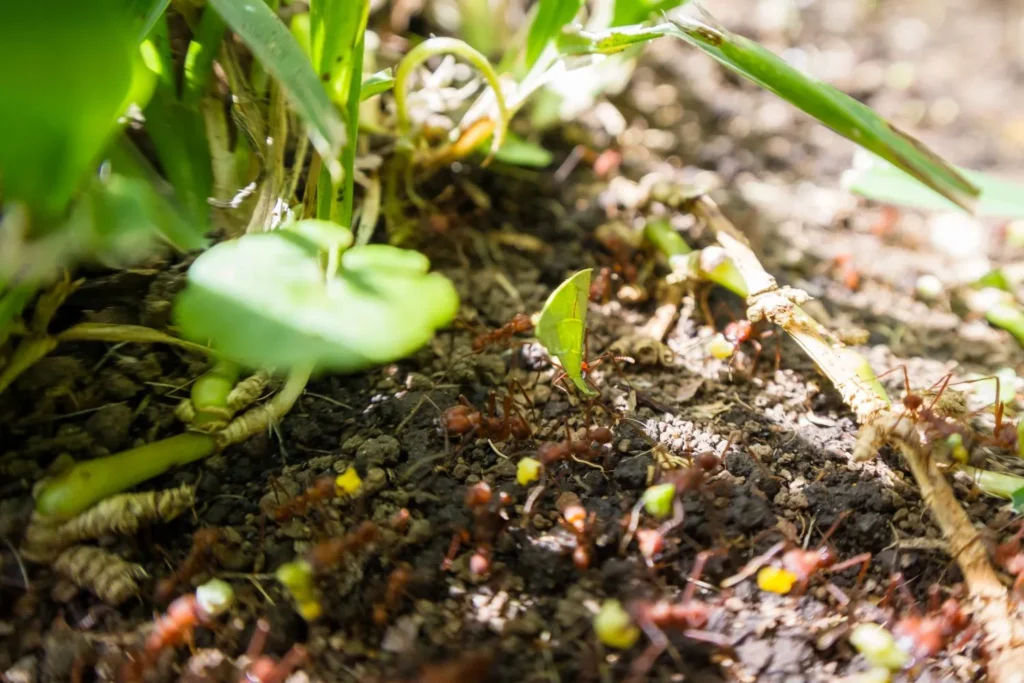
- Fire ants build visible mounds and pose a stinging risk around walkways, play areas, and foundations.
- Moles are drawn to soft soil full of insects and leave raised tunnels and ridges across the lawn.
- Mosquitoes flourish after storms or in yards with shaded moisture pockets, rising sharply from early summer through fall.
Recognizing these early symptoms allows you to act before the problem spreads or the turf declines.
How Cumming’s Climate Shapes Pest Activity
Cumming’s weather plays a significant role in how pests behave. Warm winters shorten dormancy. Heavy summer storms create standing water for mosquitoes and keep grubs in ideal soil conditions. Dry periods push moles toward the surface as they hunt for food. Because of these swings, preventive steps, such as early mosquito reduction, pre-season fire ant baiting, and late-summer grub checks, usually outperform reactive treatments.
The key advantage of early action is that it reduces the number of visits needed later and helps protect turf from long-term stress.
Professional Treatment Options for Cumming Lawns
Most homeowners deal with a handful of recurring issues, and local providers build treatment plans around those patterns. A typical service lineup includes:
- Grub applications timed to the active feeding stage
- Fire ant treatments that combine mound work with baiting
- Mosquito control focused on barrier sprays and habitat reduction
- Mole management that targets both tunneling activity and underlying food sources
Each service is chosen based on the specific pest signs present, the season, and the yard’s soil and moisture conditions. A technician’s first visit usually involves a full property inspection to map out where pests are active and how severe the issue is.
How Mosquito Control Supports Outdoor Enjoyment
Mosquito pressure rises quickly in Cumming once summer storms begin. Effective control blends two approaches: reducing breeding sites and treating resting areas. Barrier sprays protect shaded vegetation where adult mosquitoes cluster, while removing standing water slows population rebound. Homeowners can help by clearing gutters, emptying containers, and improving drainage around the home. When these steps are paired with professional treatments during peak season, outdoor spaces become far more comfortable.
Managing Fire Ants Safely and Effectively
Fire ants spread fast in Cumming’s clay soil and sunlight-heavy lawns, which means early intervention matters. Mound treatments offer immediate relief, while broadcast baits reach foraging workers and reduce colony regrowth. Most homeowners notice improvement within days, with a steady decline in activity over the next several weeks. Because bites pose risks to children and pets, many families choose professional handling for safety and long-term suppression.
Why Soil and Turf Health Matter in Pest Prevention
Pests thrive where turf is thin, soil stays wet, or roots are weak. Improving drainage, correcting compaction, and keeping grass fed at the right times all naturally reduce pest pressure. Aeration, proper watering, and soil testing are often part of long-term pest management because healthy turf is less attractive to both grubs and surface pests. When homeowners combine cultural care with targeted treatments, results last longer and require less intervention.
What the Professional Process Looks Like
Professional pest control normally follows a simple, predictable structure:
1. Property Assessment
A technician inspects turf, soil conditions, moisture patterns, and visible pest signs to determine the underlying cause, not just the symptom.
2. Custom Plan and Pricing
Homeowners receive a written plan with recommended treatments, timing, and clear pricing before any work begins.
3. Treatment and Maintenance
Scheduled visits address active pests and monitor the lawn’s recovery. Adjustments are made based on weather and seasonal activity.
This approach keeps treatments accurate and helps prevent problems from returning.
Long-Term Benefits for Cumming Homeowners
When pests are managed at the right time and with the right methods, lawns bounce back faster, grow denser, and experience fewer repeat issues. Families enjoy safer outdoor spaces, turf stress declines, and repair costs stay lower across the season. Over time, integrated pest plans reduce chemical dependence and support healthier soil, stronger roots, and better curb appeal.
Protect Your Lawn Before Damage Spreads
Pests like grubs, fire ants, mosquitoes, and moles can cause fast, costly damage to Cumming lawns if they aren’t managed early. Our team uses local knowledge and targeted treatment schedules to restore your yard and prevent repeat problems. Whether you need a one-time solution or a season-long plan, we’re here to help you protect your home’s outdoor spaces.
Contact us today to schedule a property assessment and start a customized pest-control plan for your yard.
Frequently Asked Questions
How can you tell if grubs are damaging your lawn?
Look for brown, spongy patches where the turf lifts easily due to root feeding. Birds or wildlife digging in your lawn is another early warning sign.
Are mosquito treatments safe for pets and children?
Yes, reduced-risk formulas are available and widely used in residential neighborhoods. Following proper re-entry guidelines ensures safe outdoor use soon after treatment.
How long before fire ant treatments show results?
Most treatments reduce mound activity within a few days. Full suppression often continues over several weeks as bait reaches the colony.
Reference Section: Next Article in Series
Up next: How Lawn Pest Control Boosts Property Value, Curb Appeal, and Home Equity