A healthy lawn says a lot about a home before anyone even steps inside. In Georgia, where warm-season grasses thrive but pests remain active year-round, keeping turf free of damage is key to maintaining a property’s appearance and long-term value. When pests weaken roots, create bare spots, or make outdoor areas less enjoyable, that decline shows up quickly in curb appeal and often in repair costs. Understanding which pests cause the most trouble, how they affect a property’s perception, and why proactive lawn care makes such a difference can help homeowners protect their lawns and investments.
How Pest Control Supports Property Value
A well-maintained lawn does more than look good. It signals care, reduces buyers’ perceived maintenance risk, and helps homeowners avoid expensive turf repairs. When pest issues are caught early and managed correctly, lawns stay fuller, greener, and more resilient through Georgia’s changing seasons. Preventive pest care also keeps irrigation lines, soil structure, and outdoor living areas in better condition, all of which matter during a home sale. The result is a yard that feels usable and well-kept, qualities that shape first impressions and help preserve property value.
Financial Benefits of Staying Ahead of Lawn Pests
Pest issues often start small, but they can become costly if left unattended. Grub damage can require resodding. Fire ants can spread quickly and undermine both safety and lawn usability. Moles disrupt grading and create uneven areas that may need leveling. Addressing problems early reduces repair costs and lowers the risk of turf decline, making a home less appealing to potential buyers.
Proactive homeowners often see:
- Fewer repair expenses, since turf and soil stay healthier over time
- Stronger curb appeal, which helps listings stand out
- More confident buyers, thanks to a clear pattern of maintenance
These combined benefits help maintain home equity and turn outdoor spaces into assets rather than concerns.
Common Pests That Affect Home Appearance and Value
Several pests leave visible signs that can influence how a property is perceived. In North Georgia, the most common include:
- Grubs – They feed on turf roots, creating brown, loose patches that weaken the lawn’s structure. These spots stand out during showings and often require repair if left untreated.
- Moles – Their tunneling disturbs soil and creates raised ridges across the yard. This uneven appearance suggests poor maintenance, even when the underlying cause is simply pest activity.
- Fire ants – Mounds draw immediate attention and raise safety concerns for families with pets or children.
- Mosquitoes – While not a turf pest, their presence reduces the usability of outdoor spaces, which can affect how buyers view the yard’s livability.
Seeing these problems early and addressing them quickly helps preserve the neat, well-cared-for look that buyers appreciate.
Why Grubs Matter for Turf and Property Value
Grubs are among the most common causes of turf damage in northern Georgia. As they feed on roots, large sections of grass can turn brown and pull up easily, especially during late summer and early fall. Weakened turf becomes more vulnerable to drought and foot traffic, increasing the likelihood that repairs will escalate quickly.
Preventive treatments applied at the right time of year interrupt the grub cycle and protect root systems before visible damage develops. Homeowners who invest in prevention typically avoid costly resodding and enjoy more consistent turf color through seasonal stress.
How Moles, Fire Ants, and Mosquitoes Influence Buyer Perception
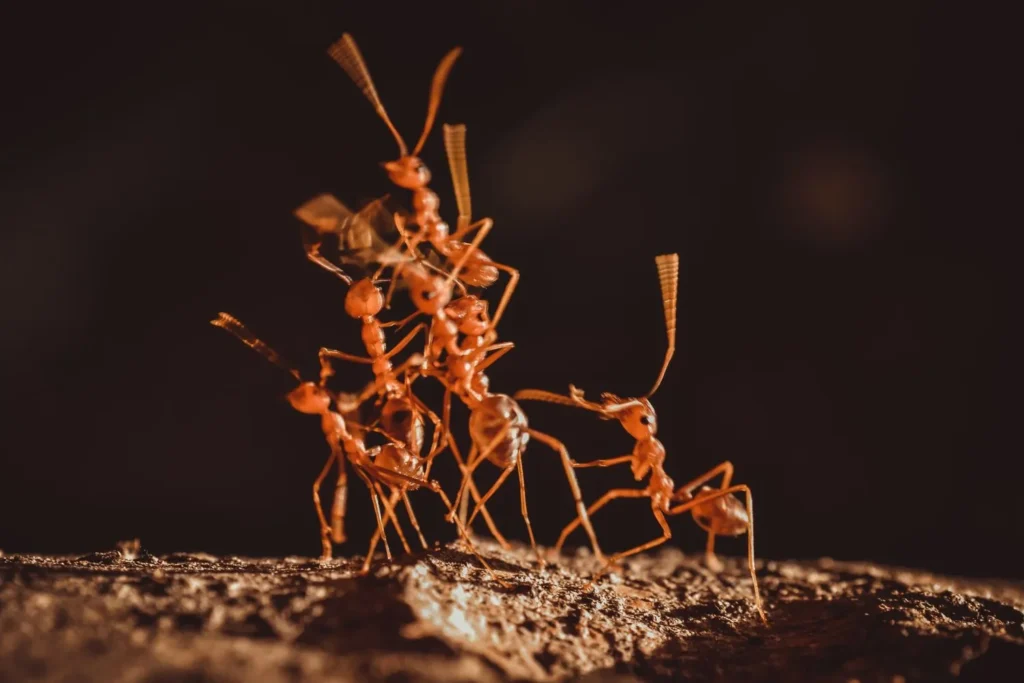
Uneven soil caused by mole tunneling can make a yard look neglected, even when the homeowner is attentive. Fire ant mounds create clear safety concerns and may lead buyers to assume the issue is widespread. Mosquitoes affect the usability of outdoor spaces and can diminish the appeal of patios, decks, and play areas.
Each of these problems can be addressed with targeted treatments, but timing matters. Early action protects both the lawn’s function and appearance, key factors in the “first impression” buyers rely on during home visits.
How Professional Pest Control Restores Curb Appeal
Technicians trained in local pest behavior can restore a lawn’s visible health by treating pests at the right stages and providing recommendations that support long-term recovery. Grub prevention leads to fuller, more even turf. Mole management helps reestablish a smooth yard surface. Mosquito treatments improve outdoor comfort almost immediately. Fire ant management clears mounds and reduces the risk of stings.
By pairing targeted applications with follow-up checks, professionals help homeowners show a lawn that feels cared for and low risk, two qualities that strongly influence buyer interest.
Why Local Expertise Matters in Georgia
Pest cycles in this region follow patterns shaped by soil type, humidity, and warm-season grass behavior. Treatments timed correctly in late summer may be far less effective just a few weeks earlier or later. Providers in Georgia are familiar with these cycles and adjust programs accordingly.
This local insight leads to more accurate pest identification, better-timed applications, and longer-lasting results.
Evaluating the ROI of Lawn Pest Control
The value of pest control shows up in both avoided costs and improved market outcomes. Preventive grub treatments protect root systems; fire ant suppression makes the yard safer; mosquito control restores outdoor usability; mole control prevents uneven grading and soil displacement.
Each of these protects a part of the property that would be expensive, or unattractive, to repair. For homeowners preparing to sell, these benefits often translate into quicker interest, fewer inspection concerns, and stronger offers.
Protect the Value of Your Home Starting Today
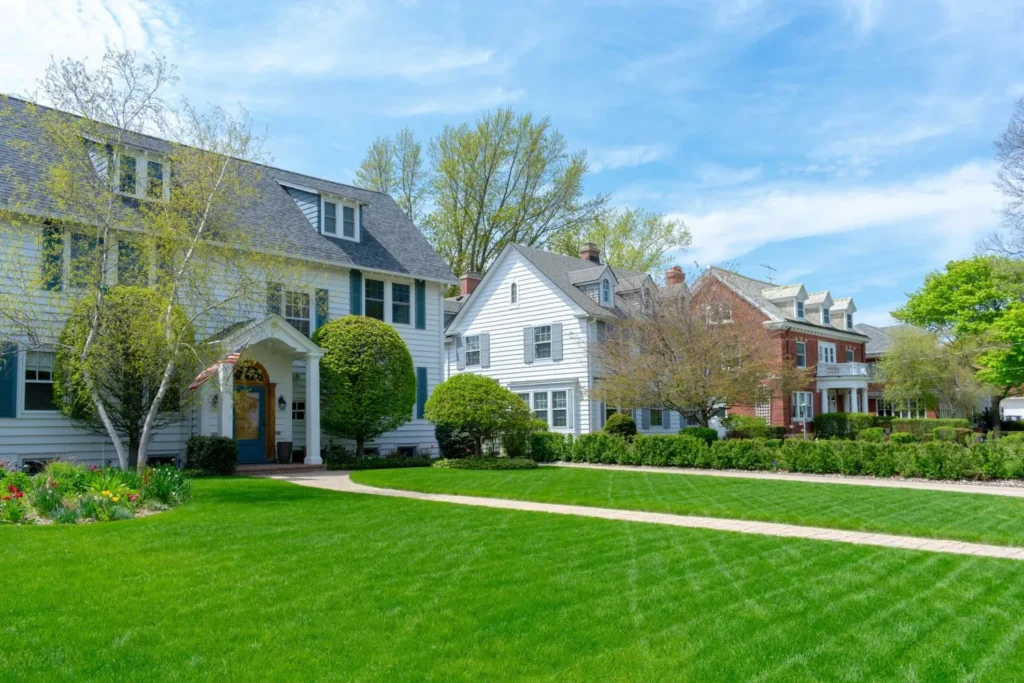
A healthy, pest-free lawn creates a strong first impression and reduces maintenance concerns that often affect home value. Whether you’re planning to sell or simply preserving your investment, consistent pest control keeps your lawn greener, safer, and more appealing to future buyers. Our Cumming team provides local expertise and reliable, targeted solutions for long-term protection.
Contact us today to schedule an inspection and learn how pest control can strengthen your home’s curb appeal and equity.
Frequently Asked Questions
Do lawn pests really impact home value that much?
Yes, visible pest damage can signal deferred maintenance and discourage buyers. Preventive care helps avoid costly repairs and improves listing appeal.
Is ongoing pest control worth the investment if you are not selling?
Absolutely, strong turf needs less repair, and preventative care reduces long-term maintenance costs. Your lawn stays healthier and easier to manage year-round.
How quickly can pest control improve curb appeal?
Some improvements, like removing mounds or stopping tunneling, can be seen quickly. Root-level recovery from grub damage improves over several weeks.
Reference Section: Next Article in Series
Continue to: Why Seasonal Weed Management Matters for Your Property: Benefits & Smart Control Strategies