
Do you know that a comprehensive weekly lawn maintenance schedule can transform an unattractive yard into a beautiful, lush green lawn in Roswell, GA? Homeowners without a schedule face issues with varying heights of grass, Weeds, heat stress, and more. This article provides a clear seasonal approach for lawn care, detailing what to do, lawn mowing practices, care for your specific grass type, targeted weed control, when to fertilize your lawn, and ways to protect your lawn from common problems. The combined approach of following these general tips and using WeedPro’s care will provide you with a great lawn that looks green and thick all year long.
What’s the Best Seasonal Lawn Care Schedule for Roswell, GA?
A seasonal lawn care schedule organizes tasks by climate phases, aligning maintenance with growth cycles to improve turf density and stress tolerance.
| Season | Key Tasks | Purpose |
|---|---|---|
| Spring | Pre-emergent application, light fertilizer, mowing adjustment | Prevents crabgrass, jump-starts growth |
| Summer | Deep watering, frequent mowing, pest scouting | Maintains color under heat, halts damage |
| Fall | Aeration, overseeding, fall fertilizer | Relieves compaction, builds root reserves |
| Winter | Debris removal, minimal traffic, final high cut | Protects crown, readies turf for spring |
Adhering to this seasonal framework reinforces a weekly lawn maintenance schedule and sets the stage for more detailed care in each quarter.
How Should You Care for Your Lawn in Spring in Roswell?
Spring lawn care in Roswell, GA, is the perfect time to prevent weeds early.
- The first thing you will want to do is mow to a height of 2-2.5 inches after the grass greens up.
- Then, Applications of a pre-emergent herbicide should occur at the end of February — the earlier the better — to prevent crabgrass.
- Then, in April, apply a slow-release fertilizer that allows nitrogen to last for an extended period.
Additionally, it is good practice to remove trash and debris that blocks the grass. Removing trash and debris also allows better penetration of a proactive spring season routine, which promotes strong root systems while limiting weed pressure early in the season, allowing for healthy summer growth.
What Are the Key Summer Lawn Maintenance Tips for Roswell Yards?
The summer months in Roswell require proper irrigation, mowing, and monitoring pest problems to keep your grass healthy through the summer heat.
- You should water the lawn once a week, applying about 1-1.5 inches of water, ensuring the root zone is thoroughly wet.
- Mow at a height of 1.5-2 inches, and let the grass clippings stay to reintroduce nutrients, which is an important thing to do (recycle).
- Check your grass for armyworms or chinch bugs every week and treat immediately if you find them.
During the summer months, to improve the overall condition of your grass and keep it green throughout the hottest periods, it is beneficial to mitigate drought stress and reduce insect pressure on your lawn.
How to Prepare Your Roswell Lawn for Fall Aeration and Overseeding?
Aeration and overseeding your grass in the fall prepare the lawn for the upcoming season by improving soil structure and promoting the future growth of new seed, which may be necessary for a fuller turf.
- Aeration should be done by early September to relieve compacted soil layers.
- After that, we will want to distribute quality grass seed and lightly cover it with leaf compost.
- We will also want to add a balanced fertilizer to help encourage root development.
- Make sure to rake the leaves at regular intervals to prevent smothering any new sprouts.
These fall chores help establish a new turf crown, resulting in a fuller, thicker lawn that is denser and can tolerate stress from winter, which will also help fend off weeds.
What can Winter Lawn Care practices do to keep Roswell Lawns healthy?
- During the winter months, the focus is generally on clearing debris and limited activity to preserve the vitality of dormant grass and to minimize disease outbreaks.
- Ensure that you remove leaves and branches to minimize potential pockets of moisture.
- If you would like, you can mow for a final cut at 3 inches and not set the mower blade lower than that; leave the blade length to protect the grass crown.
- If you see any moss or fungus growth anywhere in your grass, it should be removed immediately.
- Do your best to avoid placing heavy traffic on winter turf that is frozen or wet. Simple, winter-time maintenance preserves root health and allows for maximum spring green-up.
Which Grass Types Thrive Best in Roswell, GA, and How Do You Maintain Them?
Roswell’s warm summers and mild winters support warm-season grasses like Bermudagrass and Zoysiagrass, plus cool-season Tall Fescue for shaded areas. Each variety demands specific mowing heights, fertilization timing, and watering needs to flourish.
| Grass Type | Mowing Height | Fertilization Period |
|---|---|---|
| Bermudagrass | 1–1.5 inches | Late spring to mid-summer |
| Zoysiagrass | 1.5–2 inches | Early summer, light fall |
This comparison clarifies maintenance differences and guides selection based on yard conditions and aesthetic goals.
What Are the Care Requirements for Bermudagrass in Roswell?
Bermudagrass has a dense, heat-tolerant turf that requires frequent mowing and regular feeding practices for effective management.
- The first step is to mow weekly, ideally at a height of 1-1.5 inches during its peak growing period.
- Then, apply nitrogen-rich fertilizer every 6-8 weeks from the beginning of May to the end of August.
- Water your lawn weekly, providing a deep soaking, so it can become more resilient to drought conditions.
- Lastly, and most notably, in late spring, we will aerate your lawn to enhance nutrient uptake and improve soil aeration.
All of these practices are designed to maximize the spread rate and summertime performance of Bermudagrass.
How Do We Maintain Zoysiagrass in the Climate of Roswell, GA?
Zoysiagrass will grow more slowly than Bermudagrass, and therefore grows more slowly in the summer months. However, it is heat-tolerant and can be managed with reduced stress, which makes it less prone to summer decline. Nevertheless, it does require key disease management practices.
- First, mow to a height of 1.5-2 inches to allow sufficient photosynthesis during the summer season and even reduce the build-up of thatch.
- Next, irrigate Zoysiagrass to a depth of about 0.75-1 inch per week, allowing for just a little surface drying between watering.
- Then, apply a light feed of nitrogen (or oxo-nitrogen) to eastern US soils in early summer and a lighter feeding in September, if needed, to the lawn.
- Lastly, inspect for the disease “brown patch” and be prepared to manage at the first signs of damage if necessary.
Sufficient irrigation and fertilization can maintain Zoysiagrass in a thick state without the need for fungicides.
Common Weeds in Roswell and How to Recognize Them.
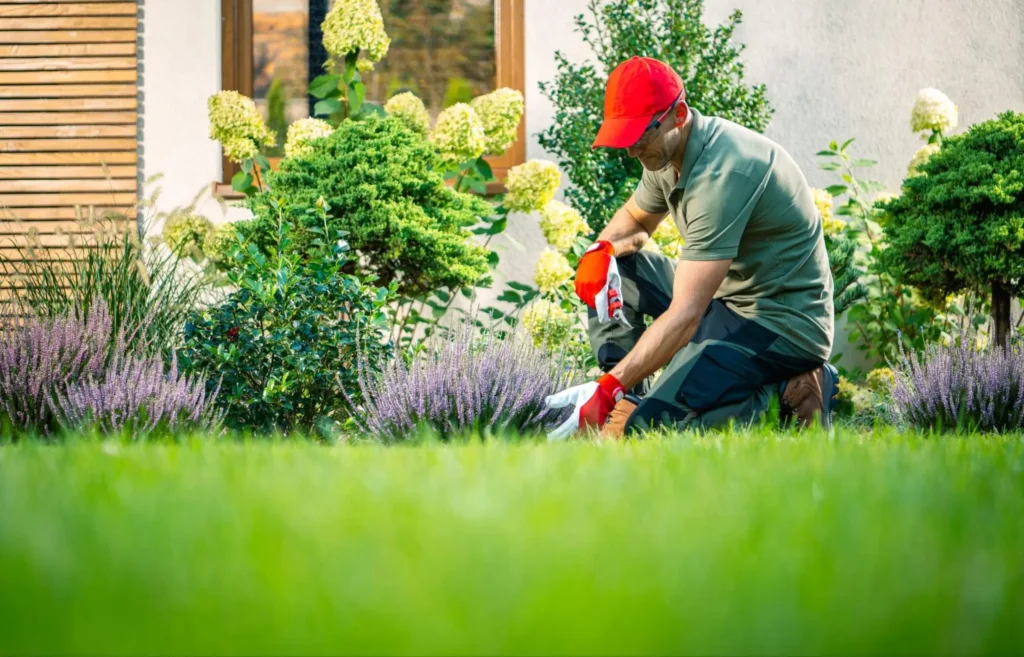
Common weeds found in Roswell lawns include crabgrass, dandelions, nutsedge, and dollarweed. Each weed has a specific detectable growth habit. For instance, crabgrass is a low-growing annual weed with broad, leafy blades, while dandelions create bright yellow flowers atop a basal rosette of foliage, with milky sap beneath their leaf blades. Nutsedge has a swollen, triangular stem and a glossy, slender growth style, while dollarweed produces round leaves on a creeping stem in moist soil.
If you can learn to identify weeds early in their life cycle, you can remove them precisely when they are growing, and there is less competition for nutrients and water.
How Often Should You Fertilize Warm-Season Grasses, Such as Bermuda Grass?
We recommend fertilizing warm-season grasses every 6 to 8 weeks, starting in late spring and continuing throughout the summer. At this time, grasses will promote sufficient health and leaf growth, ensuring the grass still has energy and growth potential for your turf.
- Begin fertilizing in late April with a balanced NPK blend.
- Repeat the application in June and August, adjusting the rate of application based on the grass’s response.
- Do not apply heavy nitrogen feedings during early fall because grass will not respond with a tuft of leaf growth and could make it weak during winter.
What Fertilization Practices Will Help Cool-Season Grasses in Roswell?
Cool-season species, such as tall fescue, can respond better to the timing of feeding in early spring and fall, which helps strengthen their roots and prepare them for environmental extremes.
- To promote early root growth, use a high-phosphorus starter fertilizer in March.
- In late September, you can again use slow-release fertilizers to help develop winter hardiness.
- Soil tests can help you monitor if too little or too much fertilizer is applied, which can potentially cause nutrient runoff.
- Nutrient applications should be based on soil tests to maximize nutrient uptake and develop turf resilience.
How Can Soil Testing Be Used to Improve Fertilization Success in Roswell Lawns?
Soil testing can reveal pH levels and nutrient imbalances, helping you add specific amendments to Roswell’s sandy, low-acidic soils.
- Collect soil samples every three years to know the pH and macronutrient status.
- Adding lime will raise the pH, while sulfur will lower it.
- As for nutrients, you can create a specific blend based on the nutrient you are trying to replace for each application.
Let the data of the soil test drive the amendments you apply. This is the best way to restore nutrients and efficiency to your turf, keeping it healthy.
How to Identify Lawn Diseases That Can Affect Turf, Such As Brown Patch and Dollar Spot, and Their Treatments.
Brown Patch will create brown, circular lesions when we have warm, humid temperatures, whereas dollar spot causes straw-colored to brown spots on leaf blades. Both will benefit from systemic fungicide.
You Should Never Ignore any Leaf Discoloration.
- Once a sign of lawn disease is discovered, use a broad-spectrum fungicide in the early evening, when most coverage tools are most effective.
- Don’t forget to reduce thatch/topsoil during the growing season, since a thin fungus will still become suffocated by thatch and moisture.
- Proper and timely control of infected areas will restore consistency in lawn color and reduce disease spread.
How to Identify and Control Lawn Pests Uniformly Common in Roswell.
Pests like armyworms (chew on blade leaves at night), mole crickets (tunnel through soil), and chinch bugs (suck sap) each have their own processes of damage. They simply require monitoring and treatment to protect the turf.
- Look for tiny funnel-shaped holes or ragged grass blades.
- If mole crickets cause minimal turf damage, biological controls, such as nematodes, can be an effective solution.
- Effective pest management maintains the health of your turf, particularly in relation to root health and blade integrity.
Make Your Roswell Lawn the Envy of the Neighborhood
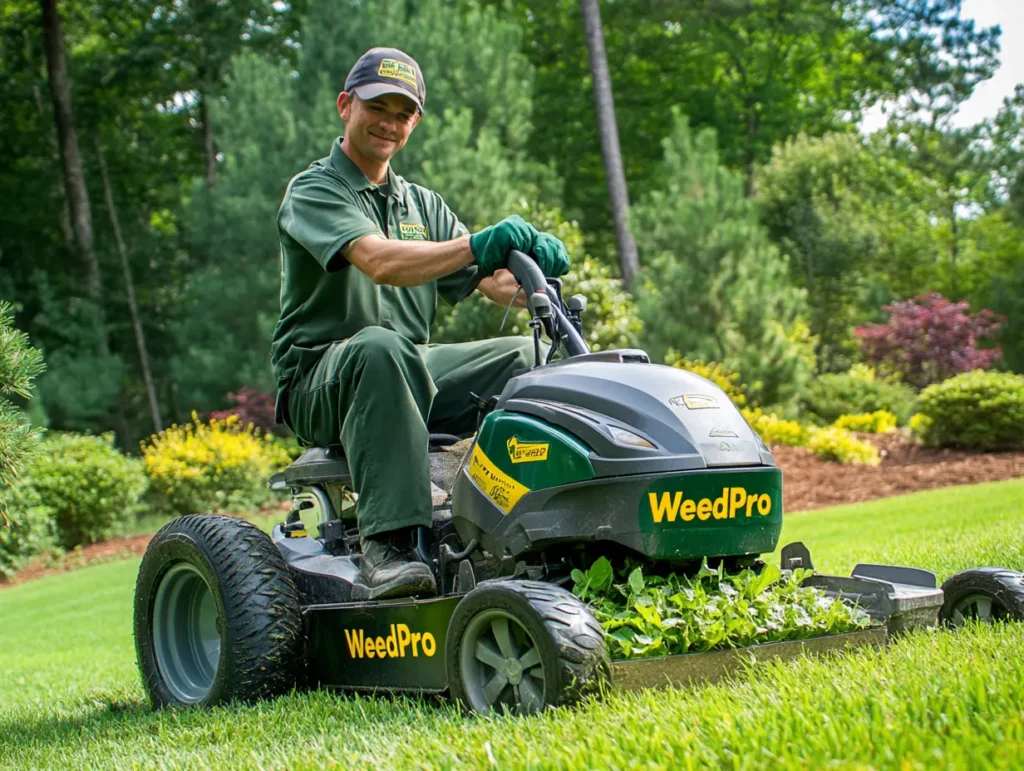
Looking for a Roswell lawn that turns heads? Let Weed Pro handle your seasonal lawn maintenance from A to Z. We customize each lawn care plan based on soil health, sun exposure, foot traffic, and turf type—ensuring you get real results, not cookie-cutter treatments. From mowing strategies to fertilizer timing, our lawn experts make healthy turf easy to maintain. Whether you prefer hands-off care or DIY-friendly advice, we have a plan tailored to your needs.
👉 Contact us today to book a Roswell lawn assessment and bring your yard to life with Weed Pro’s trusted expertise.
❓ FAQ
How often should you fertilize your lawn in Roswell?
Most lawns benefit from 3–5 applications per year, spaced seasonally for optimal nutrient absorption.
Should you mulch or bag your clippings?
Mulching returns nutrients to the soil, while bagging is better if weeds or disease are present.
🔗 Ready to Dig Deeper? Browse More Tips and Tricks
Explore more expert insights, lawn hacks, and seasonal care guides on the Weed Pro Blog—your go-to source for healthy lawn know-how!