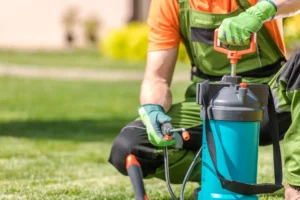

As Georgia’s heat and humidity create unique challenges for lawn care, understanding the state of your soil is crucial for maintaining a lush, resilient turf. Weed Pro emphasizes the importance of soil testing, not only for lawns but also for gardens, providing expert guidance to cultivate healthy, thriving outdoor spaces. Before aerating or fertilizing your lawn to improve its health and vitality, soil testing is an essential step that shouldn’t be overlooked. By assessing nutrient levels and soil conditions, you can ensure that your lawn care efforts yield the best results, leading to a greener, more vibrant lawn.
Understanding Soil Testing
Soil testing is a scientific process that allows us to evaluate the health and nutrient profile of our soil. It involves collecting soil samples and analyzing them in a lab to check for various components essential for plant growth. This data helps us determine what amendments or treatments our lawns may need and make informed decisions. By accurately assessing soil conditions, we can enhance our aeration efforts, leading to healthier roots and eventually, stronger grass and plants.
Importance of Soil Testing in Georgia
In Georgia, the soil characteristics can vary widely due to geography and climate. By conducting soil tests, we gain insights into specific nutrient deficiencies and the pH level unique to our local environment. This allows us to tailor our lawn care approach specifically to the needs of our turf, maximizing its potential to thrive in the set conditions. Also, understanding our soil health can enhance the effectiveness of our aeration process, ensuring that we are not just creating holes in the ground but improving air, water, and nutrient exchange, vital for a healthy lawn.
Key Factors to Test Before Aeration
Before aerating, there are several key factors we should check through soil testing to ensure that our lawns are getting the best treatment possible. It’s important to collect a representative soil sample from different areas of the lawn to get accurate results. Here are the five main elements we need to understand:
1. Soil pH Levels
Soil pH plays a critical role in nutrient availability: we want to ensure it’s between 6.0 and 6.5 for optimal grass growth. If the pH is too low or too high, it can hinder the effectiveness of fertilizers and even lead to nutrient deficiencies.
2. Nutrient Content
Testing for essential nutrients such as nitrogen, phosphorus, and potassium helps us identify what our lawn might be lacking. Each of these nutrients serves distinct purposes, from promoting plant freshness to enhancing root development.
3. Soil Texture
Understanding whether our soil is sandy, loamy, or clay-rich impacts water retention and drainage capabilities. Each texture type has its own advantages and disadvantages, influencing how water and nutrients move through the soil.
4. Organic Matter Content
Organic matter enriches the soil, supporting beneficial microorganisms. One common form of organic matter is the thatch layer, which accumulates on the soil surface. This thatch layer is composed of dead grass and other organic debris, and managing this layer is important for soil health. Evaluating its presence helps us boost the soil’s overall health, as it improves moisture retention and nutrient availability.
5. Compaction and Drainage
Testing for soil compaction and drainage capacity tells us whether our soil allows for proper airflow and moisture flow. Areas with heavy foot traffic are more likely to experience soil compaction, which can hinder grass growth. A simple way to check for compaction is the screwdriver test: stick a screwdriver into the soil and try to push it down. If it is difficult to push the screwdriver in, the soil is likely compacted and may need aeration. Aeration helps break up compacted soil, allowing air and water to penetrate deeper and improve overall soil health. Compacted soil can be detrimental to root development, making aeration essential if we find high compaction levels.
How to Conduct a Soil Test
Conducting a soil test is straightforward and can be an empowering experience for any lawn enthusiast. Using the right tools, such as a soil probe or clean trowel, is essential for collecting accurate soil samples. Here’s how we can effectively carry it out:
You may need to fill out a soil testing submission form when sending your sample to a testing service, so be sure to provide accurate information. If you have questions or need assistance, you can contact your local extension office or a professional soil testing service for guidance.
1. Choosing the Right Soil Testing Service
Select a reputable soil testing service, preferably one familiar with Georgia’s soil conditions. This ensures that we receive accurate and relevant data, alongside recommendations tailored specific to our needs.
2. Collecting Soil Samples
To collect soil samples, we should gather samples from multiple areas of our lawn, around 6–8 inches deep. Mixing these samples will provide a representative overview of our soil’s health. Be sure to remove any debris and avoid contamination for the most accurate results.
Interpreting Soil Test Results
Once we receive our soil test results, the next step is to interpret them correctly. The results will provide us with information on pH levels, nutrient concentrations, and organic matter content, typically in a report format. Most services offer guidance on optimal nutrient levels and pH for turfgrass, so we can compare our results against these benchmarks. Also, understanding these results allows us to make strategic decisions about lawn amendments and treatments needed before aeration. This is key to ensuring our lawn gets the best start possible.
After addressing any specific problem areas identified in the soil test, be sure to apply the recommended amendments to the rest of the lawn as well, so the entire area benefits and maintains uniform health.
Best Practices for Aerating After Soil Testing
After we’ve conducted our soil tests and interpreted the results, it’s time to apply our knowledge during the aeration process. Here are some best practices to consider:
- Aerate at the Right Time: Late spring, early fall, or early spring are ideal times for aerating in Georgia, allowing grass to recover and thrive post-treatment.
- Adjust Based on Soil Tests: Based on our soil test results, we might need to add specific nutrients or amend the soil before aerating.
- Use the Right Tools: For small lawns, manual aerators can be rented or purchased and are effective for DIY projects, while power aerators are better suited for larger areas.
- Water Before Aeration: Ensuring the soil is moist soil (not overly wet) can make aerating easier and more effective, allowing the aerator to pull out cores without too much resistance.
- Prepare the Lawn: Make sure your lawn is lawn ready before overseeding by clearing debris and mowing to the recommended height.
- Follow Up with Care: After aeration, ensure the lawn receives enough water to support recovery. If overseeding, proper seed-to-soil contact is essential for successful germination. Continue to monitor your lawn, fertilizing and watering as needed to support new growth and recovery.
Post-Aeration Care
After aeration and overseeding, giving your lawn the right care is crucial for encouraging strong, healthy growth. Start by keeping the soil consistently moist for the first few weeks—this helps new grass seeds establish deep roots and ensures even germination. Hold off on mowing until the new grass blades reach at least 3 inches in height, and always use a sharp mower blade to avoid damaging the tender grass.
Proper drainage is essential to prevent soil compaction from returning, so avoid overwatering and watch for pooling water. Applying a starter fertilizer can supply the essential nutrients your new grass needs to thrive, supporting robust growth and a resilient lawn. Regularly inspect your yard for signs of thinning grass, bare spots, or areas where the soil feels compacted, and address these issues promptly to maintain overall soil health.
If you’re unsure about the best post-aeration practices for your specific lawn, don’t hesitate to reach out to your local extension office or a trusted lawn care professional. Their expertise can help you fine-tune your approach, ensuring your lawn remains healthy, green, and low-maintenance for seasons to come.
Conclusion
Soil testing is an essential aspect of effective lawn care in Georgia, especially before aerating. By understanding our soil’s unique characteristics, we can ensure that our lawns receive the precise care they need to thrive in the challenging local climate. Proper testing allows us to make informed decisions that give our grass the best chance at success, leading to a healthier, greener lawn. Let’s make soil testing a part of our regular lawn care routine, ensuring our outdoor spaces remain vibrant and resilient all year round.
Frequently Asked Questions about Soil Testing in Georgia
What is soil testing and why is it important in Georgia?
Soil testing evaluates the health and nutrient profile of soil, which is crucial in Georgia’s unique climate. It helps identify deficiencies and informs proper lawn treatments, ensuring effective aeration and healthier grass.
What key factors should be tested before aerating my lawn?
Before aeration, check soil pH levels, nutrient content, soil texture, organic matter content, and compaction. These factors help tailor your lawn care and improve aeration effectiveness.
How can I conduct a soil test for my lawn in Georgia?
To conduct a soil test, choose a reputable local service, collect samples from multiple areas 6-8 inches deep, mix them, and send them for analysis. Ensure no debris contaminates the samples for accurate results.
When is the best time to aerate my lawn in Georgia?
Late spring or early fall is the ideal time to aerate in Georgia. This timing allows the grass to recover effectively, promoting healthier growth after treatment.
Why does soil texture matter for my lawn care?
Soil texture affects water retention, drainage, and nutrient movement. Understanding if your soil is sandy, loamy, or clay-rich helps in tailoring your lawn care approach for optimal health.
Can soil testing help improve lawn aeration outcomes?
Yes, soil testing provides crucial insights that allow for targeted amendments before aeration, enhancing airflow, nutrient exchange, and overall lawn health, leading to better results after aeration.