When it comes to lawn care, understanding the right timing for aeration is crucial for promoting a healthy, thriving landscape. After periods of heavy rain or drought, many homeowners find themselves wondering if it’s safe to aerate their lawns. At Weed Pro, we’ve spent years perfecting our approach to lawn care in Atlanta, taking into account the unique challenges presented by the Georgia climate. In this text, we’ll explore the impact of weather on lawn health, the importance of aeration, and the best practices you can carry out to ensure your lawn remains lush, resilient, and a beautiful lawn that’s picture-perfect all year long.
Introduction to Lawn Care
A well maintained lawn is more than just a beautiful backdrop for your home—it’s the foundation of a healthy and vibrant outdoor space. Effective lawn care involves a combination of essential practices, including regular mowing, proper watering, fertilizing, and crucially, lawn aeration. These steps work together to prevent common lawn problems such as soil compaction, poor drainage, and thatch buildup, all of which can hinder healthy grass growth.
By prioritizing lawn care, you not only enhance your property’s curb appeal but also create a safe, comfortable area for recreation and relaxation. Addressing issues like compacted soil and poor water absorption early on helps ensure your lawn remains lush and resilient throughout the year. Understanding the importance of these practices empowers homeowners to cultivate a vibrant lawn that thrives in any season, making your outdoor space a true extension of your home.
Understanding Aeration, Soil Compaction, and Its Importance
The aeration process is a vital part of lawn care, especially in Atlanta’s heat and humidity. This process involves perforating the soil with small holes, allowing air, water, and nutrients to reach the roots more effectively. Aeration reduces soil compaction, which is essential for promoting deeper root growth and enhancing stress tolerance.
By aerating your lawn, you’re encouraging better drainage and healthier turf. This is particularly important in areas where the soil tends to compact, making it more difficult for grassroots to access the essential elements they need for growth. With the right aeration techniques, we can ensure our lawns remain robust and vibrant, even in challenging conditions.
Proper planning and timing in your lawn aeration efforts are key to achieving the best results and maximizing the benefits for your lawn.
How Weather Impacts Lawn Health
Weather plays a significant role in lawn health, and understanding its effects can help us determine the best times for aeration. Weather conditions such as rainfall, temperature, and humidity should be considered when planning aeration, as they influence soil moisture and the overall effectiveness of the process.
- Excess Rain: When we experience heavy rainfall, it can lead to waterlogged soil, creating puddles that result in low oxygen levels around the roots. This can lead to nutrient loss and an increase in disease susceptibility.
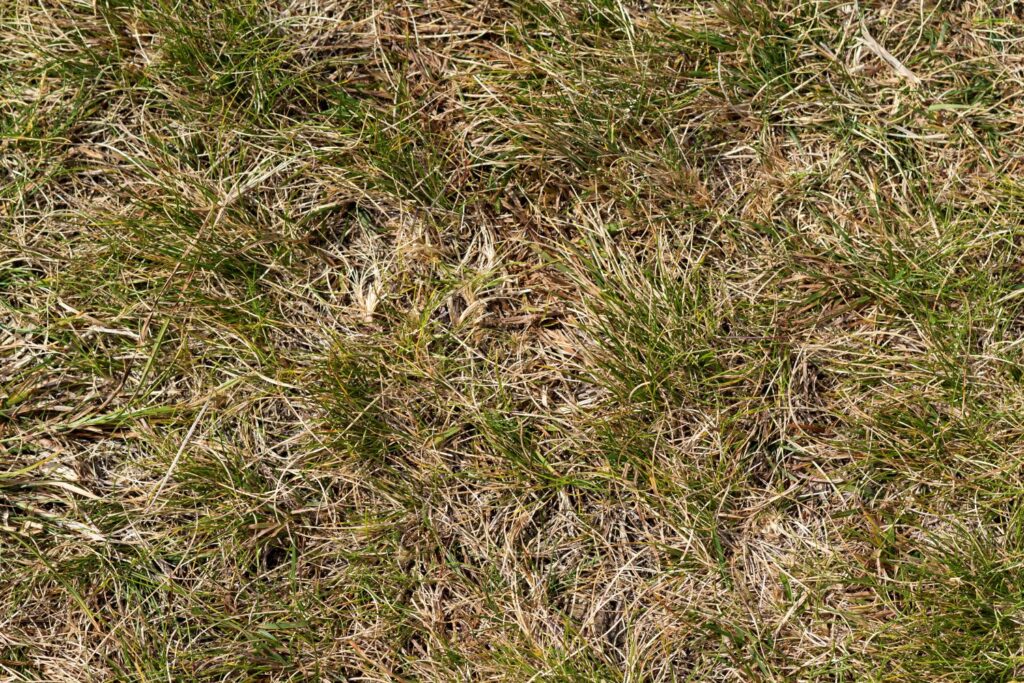
- Drought and Heat: Conversely, prolonged drought or high temperatures can cause grass to go dormant. During this time, aeration should be avoided, especially for cool-season grasses, as this stress can further damage the lawn.
Core Aeration Techniques for Different Conditions
When it comes to aeration after heavy rain or during drought, the timing and technique we choose can make all the difference. The aeration holes created during the process remain open for a period, allowing for better absorption of seed and fertilizer.
Benefits of Aeration After Heavy Rain
Aerating after a light to moderate rain can be beneficial for your lawn:
- It helps alleviate compaction that might have occurred due to saturation and can improve drainage once excess water has drained.
- Our lawns can benefit from enhanced air exchange in the root zone, promoting overall lawn health.
The soil plugs removed during aeration will gradually fill in over time, especially with the help of rainfall, as water helps break down the plugs and restore the surface, further supporting nutrient cycling and turf recovery.
Risks of Aeration After Heavy Rain
But, if the soil is saturated, we face several risks:
- Saturated soil can be difficult to aerate effectively and may cause damage to the ground.
- Aerating on slippery turf poses safety issues and can also lead to root damage if flooding occurs. We recommend waiting 1-2 days after heavy rain to allow the soil to firm up before aerating.
Additionally, aerating saturated soil can contribute to increased water runoff, reducing the amount of water absorbed by your lawn and making irrigation less efficient.
Benefits of Aeration During Drought
When conditions are not extremely hot or dry, aeration can still be beneficial. It:
- Improves water infiltration into the soil, allowing roots to access moisture more effectively.
- Aids the lawn’s recovery from drought stress, making our turf more resilient in the face of future challenges.
Combining aeration with regular watering encourages grass roots to grow deep, supporting deep root growth and improving drought resilience.
Risks of Aeration During Drought
In severe heat or drought conditions, we should avoid aeration:
- The grass is already under stress, and aerating can compound this issue.
- Dry, compacted soil is tough to penetrate, which can lead to torn turf.
Additionally, dry, compacted soil can result in soil layering, which further restricts root development.
Choosing the Right Aeration Method
Selecting the best aeration method for your lawn depends on several factors, including soil type, lawn size, and your personal preferences. The three most common aeration methods—core aeration, spike aeration, and liquid aeration—each offer unique benefits for alleviating soil compaction and promoting healthy grass growth.
Core aeration is widely regarded as the most effective aeration method. It works by removing small plugs of soil from the lawn, which helps break up compacted soil and allows air, water, and essential nutrients to penetrate deep into the root zone. This process not only improves soil structure but also encourages healthy grass and robust root growth.
Spike aeration, in contrast, uses solid tines to create holes in the soil without removing plugs. While this method can help with minor compaction, it is generally less effective than core aeration, as it may further compact the soil around the holes.
Liquid aeration is a newer technique that involves applying a specialized solution to the lawn. This solution works to break down compacted soil particles and improve overall soil structure, making it a convenient option for those seeking a less labor-intensive approach.
When choosing an aeration method, consider your soil type, the level of compaction, and your lawn’s specific needs. Whether you opt to pull plugs, poke holes, or use a liquid solution, the right approach will help create holes that allow your lawn to breathe and thrive.
Aeration for Cool Season Grasses
Cool season grasses, such as Kentucky bluegrass and perennial ryegrass, have unique needs when it comes to aeration. These grasses thrive when aerated during their periods of active growth, which typically occur in the fall or early spring. Aerating at these times helps alleviate soil compaction, improve drainage, and promote healthy root growth, resulting in a denser, more vibrant lawn.
By targeting aeration when cool season grasses are actively growing, you give the grass roots the best chance to recover quickly and take full advantage of the improved soil conditions. This not only supports healthy root growth but also prepares the soil for the upcoming growing season, ensuring your lawn remains resilient and attractive.
Proper timing and technique are key to maximizing the benefits of aeration for cool season grasses. By focusing on these periods, you can address compacted soil, enhance nutrient uptake, and set the stage for a lush, healthy lawn that stands out year-round.
Best Practices for Safe Aeration
To ensure we are aerating safely and effectively, here are some best practices to keep in mind:
- Wait for moist but not soggy soil, ideally a day after good rain or irrigation.
- Avoid aerating during saturated conditions as well as in extreme drought or heat.
- Combine aeration with proper watering techniques: deep and infrequent watering, preferably early in the morning.
- Limit heavy foot traffic on stressed lawns to allow them to recover.
- Consider hiring a lawn care company for professional aeration or professional aeration services, especially for large or problematic lawns.
- Integrate pest control and weed control with aeration for comprehensive lawn care and to maintain a healthy, resilient lawn.
- For warm season grasses, such as Bermuda or zoysia, schedule aeration in late spring to support active growth and stress resistance.
- After aeration, select fertilizer and grass seeds appropriate for your specific lawn type to ensure optimal nutrient uptake and healthy growth.
- Aeration improves nutrient absorption and can improve soil structure, especially when combined with organic practices.
- Maintaining organic matter and fostering beneficial microbes like fungi and bacteria after aeration is key to supporting healthy soil and natural soil aeration.
- Removing excess dead grass and breaking up the thatch layer through aeration helps prevent soil erosion and supports a healthy lawn.
To conclude, determining whether to aerate after heavy rain or a period of drought requires careful consideration of soil conditions and weather patterns. At Weed Pro, we are committed to helping you maintain a healthy lawn that can thrive through Atlanta’s unique climate conditions. By following best practices and understanding the effects of moisture on your lawn, we can ensure that your turf remains lush, resilient, and beautiful all year long.
Conclusion
Lawn aeration is a crucial practice for anyone seeking a healthy and vibrant lawn. By understanding the importance of aeration and incorporating it into your regular lawn care routine, you can address common lawn problems, promote healthy root growth, and ensure your lawn remains lush and resilient throughout the year.
Regular maintenance—including aeration, mowing, watering, and fertilizing—forms the backbone of effective lawn care. Whether you choose to aerate your lawn yourself or enlist the help of a professional service, the benefits are clear: improved soil structure, enhanced nutrient uptake, and a vibrant lawn that can withstand the challenges of weather, foot traffic, and environmental stress.
By making aeration a regular part of your lawn care strategy, you’ll enjoy a denser, healthier lawn that not only looks beautiful but also provides a welcoming outdoor space for family and friends. Remember, a well-aerated lawn is the foundation of a healthy and vibrant landscape—one that will reward your efforts season after season.
Frequently Asked Questions
Is it safe to aerate my lawn after heavy rain?
Aeration after light to moderate rain can be beneficial as it helps alleviate soil compaction. However, if the soil is saturated, it’s best to wait 1-2 days to allow it to firm up before aerating.
What are the benefits of aerating during a drought?
Aerating during mild drought conditions can improve water infiltration and aid recovery from drought stress. This promotes resilience in the grass, enabling it to withstand future challenges.
How can I tell if my soil is too wet to aerate?
If your soil feels muddy or has standing water, it is too wet for safe aeration. Wait until the surface feels firm but moist before proceeding with aeration.
Can aeration help in drought recovery?
Yes, aeration can support drought recovery by enhancing moisture access to grass roots and improving overall lawn health. Just be careful not to aerate during extreme heat.
What are best practices for aerating my lawn?
For safe aeration, wait for moist conditions, avoid aerating during saturation or extreme heat, and ensure proper watering techniques with deep, infrequent watering.
When is the best time to aerate my lawn in Atlanta?
In Atlanta, the best time to aerate is typically during the cooler seasons or after light rain, when the soil is moist enough for effective aeration without compaction.