Effective lawn care in Georgia hinges on timing—especially when it comes to aeration. With the region’s hot, humid climate and dense clay soils, knowing when to aerate can make a significant difference in how healthy and resilient your lawn becomes. Properly timed aeration helps relieve soil compaction, improve root growth, and boost the overall vitality of your grass.
At Weed Pro, we understand the challenges Georgia homeowners face when maintaining a lush, thriving yard. That’s why we emphasize the importance of scheduling aeration at the right moment for your specific grass type and seasonal conditions. With expert guidance and region-specific knowledge, we help you ensure that your lawn receives the care it needs—right when it needs it.
Let’s jump into the crucial aspects of aeration timing in Georgia and how our team can support you in achieving optimal results for a healthier, more resilient lawn.
Understanding Lawn Aeration
What Is Aeration?
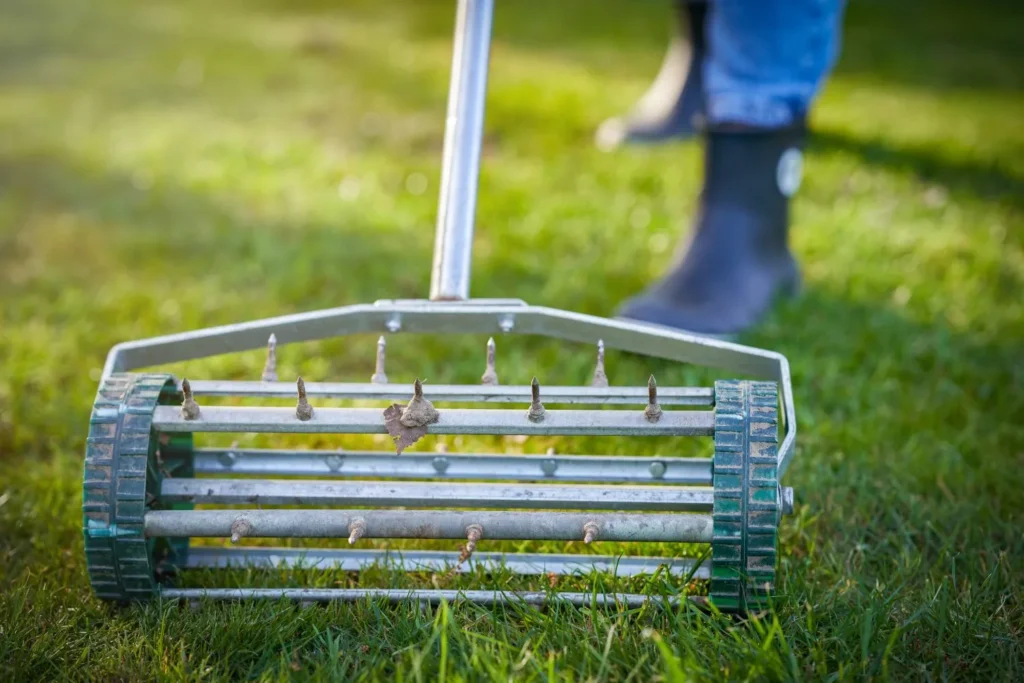
Aeration is a technique that involves perforating the soil with holes to relieve compaction and enhance the movement of air, water, and nutrients to your grass roots. This is typically done using a core aerator, a specialized machine equipped with hollow tines that mechanically remove small plugs of soil and thatch from the lawn. This mechanical treatment can be particularly beneficial in areas where foot traffic is high or where the soil tends to become compacted over time.
Why Aerate Your Lawn?
Aerating your lawn leads to several benefits, including improved drainage, reduced thatch buildup, enhanced nutrient absorption, and stronger resilience against both drought and heat stress. Aeration creates channels in the soil that allow water, nutrients, and oxygen to penetrate deeper, reaching the root zone more effectively. This process improves water absorption and promotes root growth and grass growth, which enhances your lawn’s health and overall vitality. Regular aeration is a key component of maintaining a lush and vibrant lawn that not only looks good but is also healthy and thriving.
Ideal Aeration Seasons in Georgia
When To Aerate Warm-Season Grass
In Georgia, bermuda grass is the most common grass and a common grass for warm season lawns, along with Zoysia and St. Augustine. The best time to aerate these types of grass is between late April and June. Aeration should be performed when the turf is actively growing, typically in late spring to early summer, as the grass begins to emerge from dormancy. During this window, soil temperatures typically range between 65-75°F, promoting quick recovery for grass after aeration. For optimal turf health, be sure to aerate the entire lawn rather than just specific sections.
Avoid aerating too early in spring, as the grass might still be waking up from dormancy and could be susceptible to weed invasion. Similarly, fall aeration should be avoided for warm-season grasses, as these lawns begin to slow their growth in preparation for dormancy.
Optimal Times for Cool-Season Grass
For cool season lawns, which are more common in North Georgia and elevated areas, popular grass types include tall fescue and Kentucky bluegrass. For cool-season grasses like tall fescue, Kentucky bluegrass, and ryegrass, we recommend aerating during early spring, late summer, or early fall—periods of vigorous growth and cooler weather that promote strong root development and turf recovery. Specifically, aerating between late September and early November aligns with optimal soil temperatures of 50-65°F, allowing these grasses to establish stronger roots before winter. Maintaining proper soil moisture during these times is crucial for successful aeration and healthy root growth. Also, this approach can help minimize weed competition, particularly when compared to spring aeration.
Signs Your Lawn Needs Aeration
Identifying Compaction
Compaction is often revealed through several visible signs. If your lawn feels spongy underfoot, has pooling water after rainfall, or shows signs of uneven growth, these may indicate that it’s time for aeration. We recommend checking to see if your grass roots are struggling to propagate through the soil. In some areas, the root systems of trees can help naturally aerate and loosen compacted soil, reducing the need for manual aeration.
Assessing Grass Health
Another indicator can be the general health of your lawn. If your grass appears patchy, has difficulty retaining moisture, or doesn’t respond well to fertilization, these are strong indicators that your lawn may benefit from aeration. Keeping an eye on the health of your grass can prevent issues from compounding into larger problems down the line. Poor lawn health and excess moisture can also increase the risk of fungal disease.
Preparation and Aftercare for Aeration
How To Prepare Your Lawn Before Aeration
The best time to aerate is when your soil is moist but not overly wet, ideally after a rainfall or light watering. This condition allows aeration equipment to penetrate the soil effectively. For optimal results, make your first pass with the aerator in one direction, then repeat the process perpendicular to the first pass to ensure even coverage. Before your scheduled aeration, it’s beneficial to mow your lawn a bit shorter than usual, ensuring it is around two inches high.
Post-Aeration Care Tips
Immediately after aeration, watering your lawn is crucial: it helps rehydrate the soil and encourages recovery. The holes left by aeration are especially beneficial for seed-to-soil contact if you plan to overseed, improving germination and turf density. Proper aeration also helps your lawn drain excess water quickly during periods of heavy rain, reducing water stress and promoting overall lawn health. We recommend waiting one to two days before mowing to allow the soil plugs to settle. During the recovery phase, it’s also wise to limit foot traffic on your lawn, particularly in the summer heat, to promote healthy regrowth and recovery.
Conclusion
Aeration is a vital part of maintaining a healthy lawn in Georgia. By understanding the timing and preparation necessary for this crucial lawn care practice, we can ensure that your lawn remains lush and vibrant all year round. At Weed Pro, we’re here to help you navigate this process with care and expertise. Let us assist you in scheduling a tailored aeration plan that suits your yard’s specific needs.
Frequently Asked Questions
When is the best time to aerate warm-season grasses in Georgia?
The ideal time to aerate warm-season grasses, like Bermuda and Zoysia, is between late April and June when soil temperatures are between 65-75°F for optimal recovery.
Why is lawn aeration important for Georgia lawns?
Aeration relieves soil compaction, improves drainage, enhances nutrient absorption, and promotes healthier grass, helping lawns thrive in Georgia’s hot, humid climate.
What are the signs that my lawn needs aeration?
Signs include spongy ground, pooling water, uneven growth, patchy areas, and poor moisture retention. If your grass shows these issues, aeration could benefit it.
Can I aerate my lawn in the fall in Georgia?
Fall aeration is not recommended for warm-season grasses as they begin dormancy. Instead, aerate cool-season grasses like fescue from late September to early November.
How should I care for my lawn after aeration?
Post-aeration, it’s essential to water your lawn well, avoid mowing for 1-2 days, and limit foot traffic to encourage healthy regrowth and recovery.
What is the best way to prepare for lawn aeration?
Prepare by mowing your lawn shorter than usual and aerating when the soil is moist but not overly wet, ideally after light watering or rainfall.