Key Takeaways
- Smart irrigation saves water automatically by adjusting runtimes based on weather, soil moisture, and plant needs.
- Cumming and North Georgia lawns benefit more than most because of steep temperature swings, summer humidity, and microclimates across mixed landscapes.
- The biggest improvements come from pairing a smart controller with soil moisture sensors—your system waters only when the root zone actually needs it.
- Homeowners get better lawn health, more convenience, and lower bills, especially on multi-zone properties with slopes, dry spots, or strict watering rules.
- A simple site assessment can reveal rebate opportunities, compatibility factors, and zone-specific upgrades that deliver real ROI.
A Smarter Way to Water Lawns in Cumming, GA
Smart irrigation has changed the way homeowners in Cumming and greater North Georgia manage their lawns. Instead of running the same schedule every week, a smart controller uses local weather data, soil moisture readings, and zone-level programming to deliver water only when your turf truly needs it. That means fewer wasted cycles, better root development, and less hassle keeping up with weather swings.
Whether you’re dealing with runoff on sloped areas, dry patches in the backyard, or local watering restrictions, a smart irrigation upgrade can reduce water use while keeping your lawn healthier and easier to maintain. Below, we break down how modern smart systems work, how they behave in Georgia’s climate, what affects cost, and how to evaluate whether your property is a good candidate.
Why Smart Sprinkler Systems Make a Noticeable Difference
Smart systems improve watering by removing the guesswork and replacing rigid programming with real-time decision-making.
Core Benefits for Georgia Homeowners
Smart irrigation delivers four significant advantages:
Water Savings
Smart controllers shorten or skip cycles based on rainfall, humidity, and soil moisture, dramatically reducing unnecessary watering.
Healthier Turf
Zone-specific programming encourages deeper roots, reduces fungal risk, and keeps soil moisture in the sweet spot for growth.
Convenience and Control
Mobile apps, real-time alerts, and remote shutdowns make seasonal adjustments effortless.
Better Compliance
Rain and freeze sensors help your system automatically meet local watering rules.
How These Benefits Translate Into Real Results
| Benefit | Mechanism | Typical Result |
| Water Savings | Weather-based scheduling | Up to 50% reduction in needless runtime |
| Lawn Health | Soil moisture sensing | Targeted watering for deeper roots and less disease |
| Convenience | Remote control & automation | Fewer manual adjustments and quick overrides |
| Environmental Compliance | Rain/freeze sensors | Reduced runoff and better adherence to local rules |
These results are especially strong in Georgia, where humidity, scattered storms, and high summer evapotranspiration make traditional sprinklers inefficient.
How Smart Irrigation Cuts Waste and Lowers Bills
A smart system pulls together three data sources, weather forecasts, real-time ET data, and soil moisture readings, and automatically adjusts runtimes by zone. When rain is coming or humidity increases, the system reduces or skips watering. When the soil probe reads adequate moisture, the controller turns off the zone early.
For Cumming homeowners, this means:
- No more overwatering after afternoon thunderstorms
- Fewer soggy areas on clay-heavy soils
- Lower monthly utility bills
- More predictable watering during peak heat
Smart irrigation makes your system behave as if a technician were adjusting it daily, without any manual effort from you.
How Smart Systems Support Healthier, Easier-to-Maintain Lawns
Smart watering encourages deep root systems by delivering smaller, more precise water doses. This reduces:
- Surface wetness
- Fungal outbreaks
- Shallow, weak roots
- Stress during heatwaves
You also gain convenience through features like remote control, leak alerts, and automatic seasonal adjustments. It’s one of the few lawn upgrades that improve both turf health and ease of maintenance.
How Smart Controllers Work in Atlanta and North Georgia
Weather-based controllers are designed to respond to local weather stations, municipal watering rules, humidity levels, and daily temperature swings. That responsiveness matters in Georgia, where a stretch of storms can be followed by dry, hot weather in the same week.
Key Components Behind Smart Irrigation
| Component | Input Type | Adjustment Role |
| Controller | Weather data & schedules | Modifies runtime per zone |
| Soil Probe | Moisture percentage | Prevents unnecessary cycles |
| Weather Sensor | Rain/temperature | Triggers system holds |
Together, these parts create a dynamic, responsive watering plan that is far more efficient than fixed hourly schedules.
Sensors: The Heart of Smart Irrigation
Soil Moisture Sensors
Placed at the root level, soil probes prevent cycles from running once moisture reaches the target range. They protect against:
- Overwatering shaded areas
- Water waste on clay soils
- Excess moisture that leads to fungus
Weather Sensors & Forecast Data
These sensors stop watering before rain arrives and adjust for evapotranspiration, crucial during Georgia’s hot, humid summers.
When combined, the system balances weather predictions with verified soil moisture to deliver precise, efficient watering.
Smart Irrigation Adapts Naturally to Georgia’s Climate
Georgia’s climate presents unique challenges:
- Spring and fall rains produce water waste with traditional timers
- Hot, humid summers cause shallow rooting and fungal pressure
- Clay-heavy soils absorb water slowly, leading to runoff
Smart systems adjust automatically:
- Shorter cycles during rainy seasons
- More precise soak-and-cycle patterns in summer
- Earlier shutoffs in shaded or low-demand zones
This adaptability massively improves consistency across mixed landscapes.
What Makes a Property Ready for Smart Irrigation?
Smart irrigation is a great fit if your property has:
Multiple Zones
Mixed landscapes, turf, beds, slopes benefit from zone-specific precision.
Runoff or Erosion Issues
Clay soils and hillsides in Cumming benefit from shorter, smarter cycles.
Recurring Dry Spots or Soggy Areas
Sensors and zone targeting correct these inconsistencies.
Watering Restrictions
Smart schedules help you stay compliant without sacrificing lawn health.
Upgrade Your Lawn’s Water Efficiency with Smart Irrigation
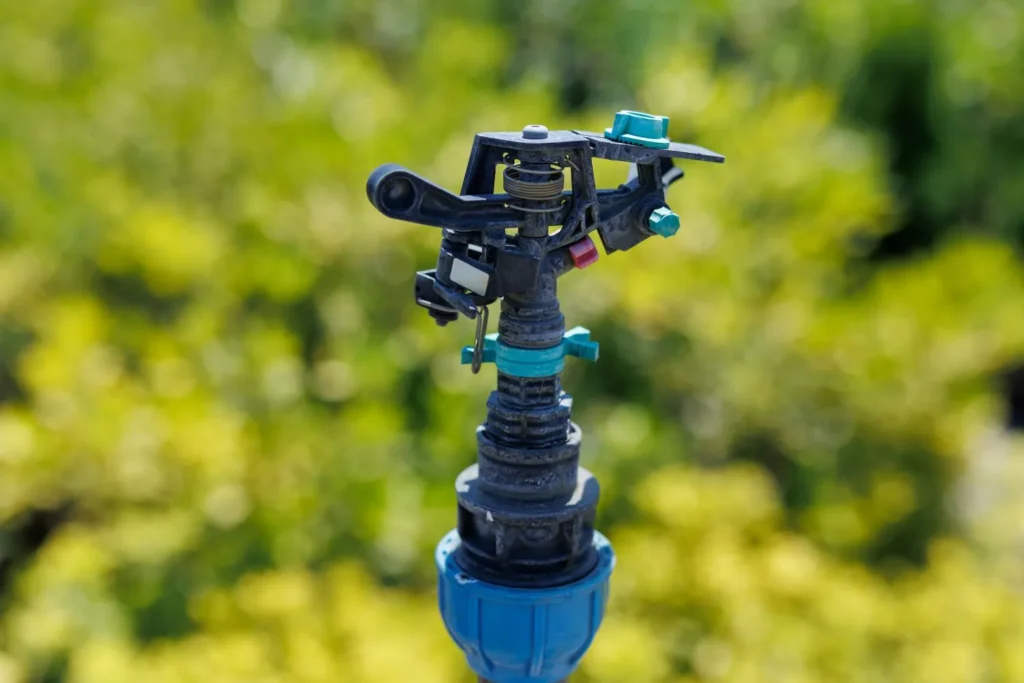
A smarter, more efficient sprinkler system can transform your Cumming lawn, lowering water bills, improving turf health, and taking the guesswork out of watering.
Weed Pro specializes in weather-based controllers, soil moisture sensors, irrigation upgrades, and full-system assessments tailored to Georgia landscapes.
Want to see if your property is a good candidate? Request a professional evaluation and get a clear, customized plan for your yard.
FAQ
Will a smart system work with an existing sprinkler setup?
Most systems can be retrofitted with new controllers and sensors, but older valves or wiring may require upgrades. A property assessment determines compatibility.
Do smart sprinklers help with dry spots?
Absolutely. Zone-specific programming and soil moisture sensors help distribute water where it’s actually needed, fixing chronic dry areas.
Are there rebates for smart irrigation in Georgia?
Some municipalities and water authorities offer rebates for certified smart controllers.
Want Enhancing Your Lawn’s Watering Efficiency
For readers who want to improve how their lawn is irrigated, directing them to “What Makes a Sprinkler System Effective: Essential Tips for Efficient Lawn Irrigation” can provide deeper insights. This guide covers the key factors that influence sprinkler performance and helps homeowners achieve healthier, well-watered lawns.