Key Takeaways:
- Lawn disease is usually a symptom, not the root problem
- Spot treatments address visible damage, not underlying stress
- Soil, moisture, and airflow issues drive repeat outbreaks
- Pathogens persist even when symptoms disappear
- Long-term control requires correcting growing conditions
Why Spot Treatments Feel Effective At First
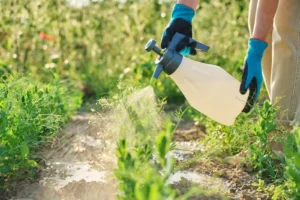
Spot treatments are appealing because they seem logical. You see disease in one area, apply a fungicide or treatment to that spot, and symptoms often fade within days. That quick response reinforces the idea that the problem has been solved.
Unfortunately, what’s really happening is symptom suppression, not disease resolution. The lawn may look better temporarily, but the conditions that allowed the disease to develop remain, quietly setting the stage for the next outbreak.
This is why many homeowners feel stuck in a cycle of treating the same lawn disease again and again.
What Spot Treatments Actually Do
Spot treatments target visible fungal activity on grass blades or near the soil surface. They can reduce spore activity and slow disease spread in the short term. What they do not do is:
- Improve root health
- Fix drainage or compaction issues
- Restore oxygen to saturated soil
- Correct irrigation problems
Without those fixes, disease pressure remains high even after treatment.
Why Lawn Disease Is Rarely Limited to One Spot
Although disease symptoms often appear in isolated patches, the stressors that cause them usually affect a much larger area. Fungal pathogens are commonly present throughout the lawn, waiting for favorable conditions. Those conditions often include:
- Excess moisture
- Compacted soil
- Poor airflow
- Shallow root systems
Treating only the visible patch ignores the broader environment in which the disease is developing.
How Underlying Stress Fuels Repeat Lawn Disease
Healthy turf can tolerate low levels of fungal presence without issue. Disease outbreaks occur when turf becomes stressed and loses its natural defenses. Common stressors include:
- Overwatering or poor drainage
- Heat stress combined with moisture
- Soil compaction
- Nutrient imbalance
- Shade and restricted airflow
If these stressors persist, spot treatments serve as a temporary bandage rather than a cure.
Why Fungicides Alone Can’t Solve the Problem
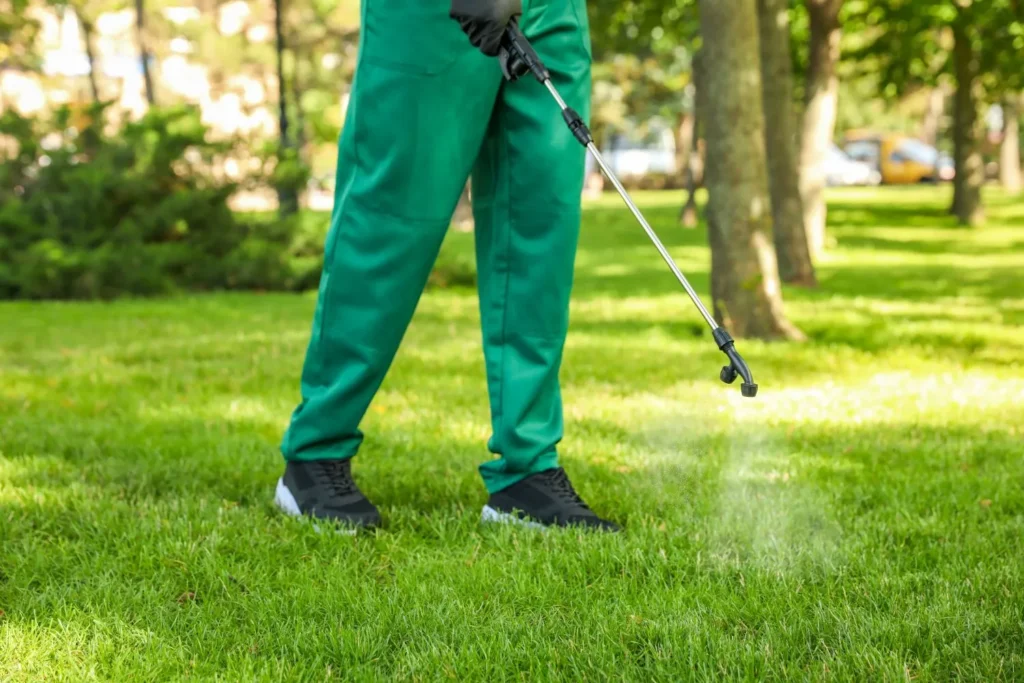
Fungicides are tools, not solutions by themselves. When used repeatedly without addressing stress factors, they may even become less effective over time. Repeated fungicide use can:
- Mask ongoing turf decline
- Encourage reliance on chemicals
- Fail to prevent reinfection
- Leave soil conditions unchanged
This often leads homeowners to believe the product failed, when in reality the approach was incomplete.
| Weed Pro Lawn Care: Local Lawn & Outdoor Pest Experts Reliable Service Backed by Results You Can See Choose the Right Lawn Care Solution for Your Property: –Complete Lawn Care Programs: Ongoing, customized lawn care plans designed to strengthen turf, improve soil health, and reduce weeds. –Targeted Weed & Pest Control: Focused solutions for persistent lawn weeds, invasive pests, and seasonal pressures such as mosquitoes and surface insects. –Irrigation & Lawn Health Support: Professional support for irrigation efficiency, aeration, overseeding, and soil conditioning to improve water absorption, reduce runoff, and help lawns recover from compaction, disease, or environmental damage. Customer Praise:“I highly recommend Weed Pro. Our entire yard is in much better shape thanks to them. Every technician I’ve spoken with is knowledgeable and makes great recommendations to help further improve the yard. Our service is in Alpharetta. Special shoutout to Jayshawn for excellent work!” – Dave B. Why Homeowners Choose Weed Pro Lawn Care: -Locally owned and operated, serving North Georgia communities -Experienced technicians trained in region-specific lawn and pest challenges -Customized service plans based on property conditions, not one-size-fits-all programs -Environmentally responsible treatments with a focus on long-term lawn health -Clear communication, reliable scheduling, and service you can trust Schedule your Service Today! |
The Role of Soil Conditions in Persistent Lawn Disease
Soil health plays a major role in whether lawn disease becomes a recurring issue. Compacted or poorly structured soil holds excess moisture and limits oxygen availability. That environment:
- Weakens roots
- Slows recovery
- Favors fungal growth
Even aggressive spot treatments won’t overcome unhealthy soil conditions.
Why Does Disease Return to the Same Areas
Many lawns experience disease in the same spots year after year. This pattern is rarely a coincidence. Repeat problem zones often share traits such as:
- Low elevation or pooling water
- Heavy foot traffic
- Shade from trees or structures
- Poor air circulation
Spot treatments don’t change those physical conditions, which is why the disease keeps reappearing in familiar places.
How Moisture Mismanagement Undermines Spot Treatments
Excess moisture is one of the biggest drivers of lawn disease recurrence. Even after treatment, frequent watering or saturated soil can reopen the infection window. Common mistakes include:
- Watering too often instead of deeply
- Irrigating late in the day
- Not adjusting schedules for the weather
Without correcting moisture habits, disease pressure stays constant.
Why Spot Treatments Miss Root-Level Problems
Most lawn diseases begin below the surface, even though symptoms appear on the blades. Root stress reduces the plant’s ability to fight infection. Spot treatments applied above ground:
- Don’t reach the root zone
- Don’t restore root function
- Don’t improve oxygen levels
Until roots recover, turf remains vulnerable.
The Difference Between Suppression and Control
Spot treatments suppress visible disease. True control requires changing the conditions that allow disease to thrive. Effective disease management focuses on:
- Strengthening turf resilience
- Improving soil structure
- Managing moisture properly
- Reducing stress during peak seasons
This approach reduces the likelihood of lawn disease returning.
When Spot Treatments Make Sense
Spot treatments are not useless; they just shouldn’t be the only strategy. They work best when:
- Used early to slow the spread
- Combined with cultural corrections
- Applied alongside moisture and soil improvements
In isolation, they rarely produce lasting results.
How Integrated Lawn Care Stops Repeat Disease
An integrated approach looks at the lawn as a system rather than isolated problem areas. This includes:
- Evaluating soil compaction and drainage
- Adjusting irrigation schedules
- Improving airflow and sun exposure
- Strengthening roots through proper care
When these factors improve, disease pressure naturally drops.
Break the Cycle of Lawn Disease With Weed Pro
If you’re tired of treating the same lawn disease over and over, it’s time to look beyond spot treatments. Recurring disease is usually a sign that something deeper is stressing your turf and until that’s corrected, symptoms will keep returning.
Weed Pro helps homeowners identify the root causes of lawn disease and create a plan that improves soil health, manages moisture, and strengthens turf in the long term. Contact us today to schedule an evaluation and put an end to repeat lawn disease for good.
FAQ
Why does lawn disease come back after spot treatments?
Spot treatments don’t fix the soil, moisture, or stress conditions that caused the disease.
Are fungicides still useful for lawn disease?
Yes, but only as part of a broader plan that improves turf health and growing conditions.
How can you stop lawn disease from recurring each season?
By addressing root health, drainage, irrigation habits, and soil structure instead of treating symptoms alone.
Continue Learning About Disease Prevention
Next, learn how repairs can unintentionally slow recovery in Lawn Repair Mistakes That Prevent Long-Term Recovery.