Stop Treat-and-Repeat: How Cultural Habits Break the Disease Cycle
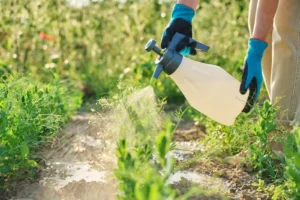
You’ve likely been there: You spot a brown patch, you apply a fungicide, the grass recovers, and two weeks later, the fungus returns. This cycle

You’ve likely been there: You spot a brown patch, you apply a fungicide, the grass recovers, and two weeks later, the fungus returns. This cycle

There is a distinct sinking feeling that comes with walking out to your yard in mid-July. You’ve mowed, you’ve watered, and you’ve invested time into

Key Takeaways Why Aeration Is Often Misunderstood Aeration is one of the most recommended lawn treatments, yet it’s frequently misunderstood. Many homeowners expect aeration to

Key Takeaways Why Lawn Disease Follows Seasonal Patterns Lawn disease does not appear randomly. In warm-season lawns, outbreaks are closely tied to shifts in temperature,

Key Takeaways Why Grass Matching Matters More Than Most Homeowners Think When lawns thin out or develop bare spots, overseeding feels like a simple fix.

You’ve likely spent hours researching “best grass for my lawn,” only to hit a wall of conflicting information. One source says Fescue is king; another

If you are looking at a standard USDA hardiness zone map to decide on your next turf investment, you might be looking at outdated data.

Key Takeaways Why Lawn Disease Isn’t Just a Surface Problem Lawn disease is often treated as a visible issue because symptoms appear first on the

Key Takeaways Why Compact Urban Lots Are Hard on Turf Urban lawns operate under constant pressure. Smaller lot sizes mean turf is exposed to heavier

Key Takeaways Why Thin Topsoil Creates Ongoing Lawn Problems Topsoil is the primary growing medium for turfgrass roots. When it is shallow, compacted, or mixed