Key Takeaways
- Proper sprinkler design starts with accurate water pressure (PSI) and flow rate (GPM) measurements; guessing here leads to dry spots, misting, and wasted water.
- Smart layout, zoning, and hydrozoning ensure turf, beds, and drought-tolerant areas receive the right amount of water without overwatering.
- Matching head type, spacing, and precipitation rate to your soil (especially Georgia clay), slope, and available flow is the only way to get truly even coverage.
- Modern controllers and sensors (weather-based scheduling, soil moisture, flow sensing) can significantly cut outdoor water use when paired with a well-designed system.
- Professional design and installation from a local team like Weed Pro protects your lawn, lowers your bills, and reduces long-term repair headaches.
Designing a Sprinkler System That Actually Works
A good sprinkler system doesn’t just “get things wet.” When it’s designed correctly, it:
- Delivers even coverage across every zone
- Uses only as much water as plants actually need
- Holds up over time with minimal leaks and breakdowns
In Atlanta and North Georgia, that means accounting for clay-heavy soils, warm-season turf, slopes, and summer heat. This guide walks you through:
- Pressure and flow basics
- Layout and zoning (including hydrozoning)
- Smart component choices (heads, controllers, valves, piping)
- When and why a professional design pays off
Use it as a blueprint, whether you’re evaluating an existing system or planning a new one.
Pressure and Flow: The Foundation of Sprinkler Design
Why PSI and GPM Come First
Before you pick a single head or draw a single line, you need to know:
- PSI (pounds per square inch) – how much pressure is available
- GPM (gallons per minute) – how much water can flow through the system
Without those numbers, it’s very easy to:
- Overload zones so heads barely pop up
- Cause misting that evaporates before water hits the grass
- Get short throw distances and dry edges
Measuring PSI and GPM upfront sets the limits for zone size, head type, and pipe sizing.
Simple Ways to Measure Pressure and Flow
- Static pressure (PSI):
- Screw a threaded pressure gauge onto a hose bib and open the valve fully.
- Flow (GPM):
- Use a bucket-and-stopwatch test (time how long it takes to fill a known volume)
- Or ask your water utility for the approximate service flow if available.
- Peak use:
- Note when showers, laundry, and irrigation may run together to understand real-world pressure drops.
If your readings are marginal, a pro can perform more detailed tests to determine whether you need pressure regulation, a booster pump, or a separate sub-main.
How Source Conditions Affect Head Choices
| Source Scenario | Measured Pressure (PSI) | Typical Available GPM | Recommended Head Types |
| High pressure, low flow | 60+ PSI | 6–10 GPM | Low-flow rotors, matched precipitation-rate rotors |
| Moderate pressure & flow | 40–60 PSI | 10–20 GPM | Medium rotors, fixed spray heads for small areas |
| Low pressure, limited flow | <40 PSI | <10 GPM | Low-arc sprays, drip zones, pressure-regulated rotors |
Matching heads to measured PSI/GPM prevents you from overloading zones or relying on heads that can’t perform correctly on your supply.
How Pressure and Flow Shape Coverage and Performance
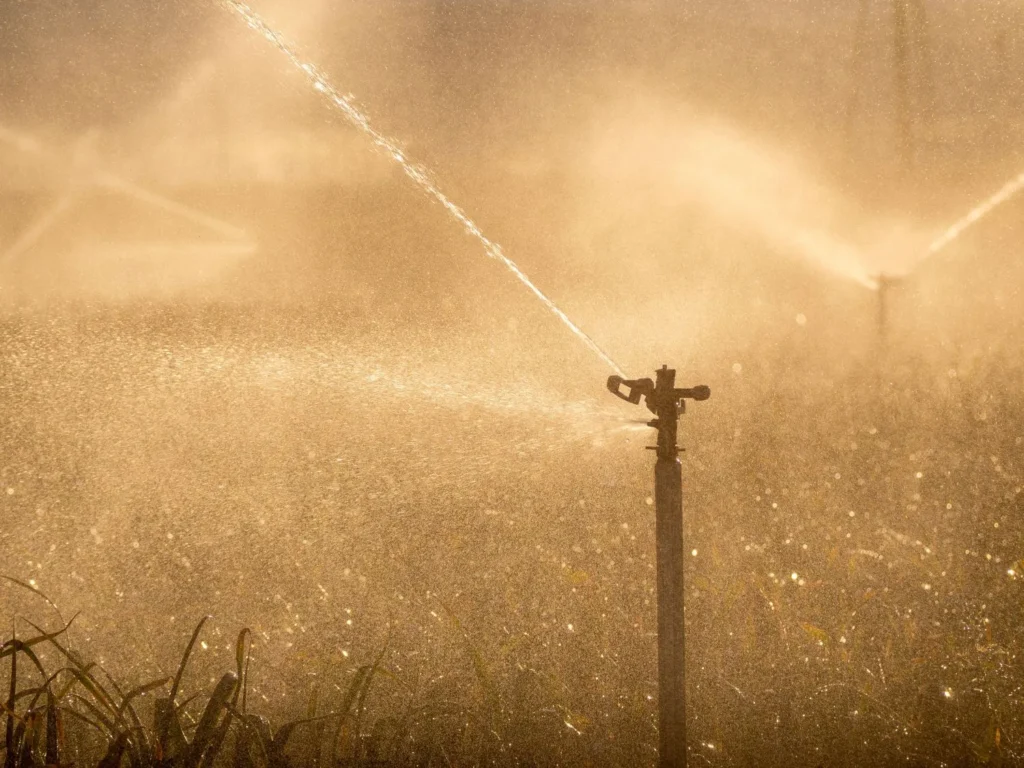
Pressure and flow affect everything about how water lands on your lawn.
- Low pressure → shorter throw, uneven patterns, potential pooling close to heads
- High pressure (no regulation) → fine mist, drift, and evaporation instead of water reaching the soil
These dynamics drive big design decisions:
- Whether to use rotors vs. sprays vs. drip
- How many heads can run on a zone
- Whether pressure regulation is necessary for consistent performance
Optimizing PSI and GPM means fewer “band-aid fixes,” shorter run times, and more even turf color.
Smart Layout, Zoning, and Hydrozoning
Building a Solid Layout
Start with a measured site map. Include:
- Property boundaries
- Turf vs. beds vs. hardscape
- Slopes and low spots
- Sun and shade areas
From there, you can design zones that align with plant needs and soil behavior.
Layout & Zoning Checklist
- Measure and sketch the property, marking turf areas, beds, slopes, and shade.
- Group plants with similar water needs into hydrozones.
- Choose head types and spacing to achieve head-to-head overlap.
- Assign zones so each valve’s total GPM stays within your measured supply.
This groundwork prevents you from running sunny front turf and shady back beds on the same schedule, a common (and costly) mistake.
Hydrozoning for Real Water Savings
Hydrozoning is simply grouping plants by water demand so each zone can be programmed intelligently.
| Zone Type | Typical Plant Needs | Sample Schedule Frequency | Run Time Strategy |
| Turf (sun) | High evapotranspiration | 2–4x/week in summer | Multiple short cycles to avoid runoff |
| Beds (ornamental) | Moderate, deep soak | 1–2x/week | Longer single soak or drip to root zone |
| Drought-tolerant | Low, infrequent | 0–2x/month | Minimal, targeted drip or micro-spray |
Hydrozoning is especially important on Georgia clay soils, where split cycles help water soak in rather than run off.
Head-to-Head Coverage: What It Really Means
Head-to-head coverage means each sprinkler throws water far enough to reach the next head in its row. That overlapping pattern:
- Evens out precipitation across the zone
- Prevents dry “donut” spots between heads
- Reduces overwatering just to help weak areas catch up
If you see patchy turf, run a zone and watch where water lands. Poor spacing and lack of overlap are often to blame.
Choosing Components for Efficiency and Durability
Sprinkler Heads: Matching Type to Area
| Head Type | Spray Radius & PR | Ideal Use Case | Efficiency Notes |
| Spray heads | 6–15 ft, higher PR | Small turf and narrow strips | Uniform for small areas; higher runoff risk on slopes |
| Rotor heads | 15–50+ ft, lower PR | Large lawns, fewer heads per zone | Lower PR reduces runoff and runtime |
| Drip/micro | Targeted emitters | Beds, trees, shrubs | Highest efficiency; precise root-zone watering |
On most Atlanta-area properties, the best balance is rotors for lawns and drip/micro for beds and trees.
Controllers, Valves, and Piping: The Hidden Efficiency Drivers
- Controllers
- Smart controllers adjust schedules using weather data and moisture sensors.
- App access makes it easy to pause watering after storms or tweak run times in a heat wave.
- Valves
- Divide the system into zones and size them appropriately for your flow and pressure requirements.
- Quality solenoids and diaphragms reduce leaks and sticking.
- Piping
- Correct pipe size minimizes friction loss, so heads get the right PSI.
- Undersized mains limit head count per zone; oversized mains add cost but no benefit if drastically overdone.
When these pieces are sized and installed correctly, they protect your investment and keep the system efficient over the long haul.
Why Professional Irrigation Planning Pays Off in Atlanta & North Georgia
Designs Tailored to Georgia Soils and Climate
Local pros understand:
- Clay-heavy soils that absorb slowly and encourage runoff
- Warm-season grasses that need different schedules than cool-season turf
- Slopes and shaded areas that demand adjusted run times
A tailored design uses techniques like cycle-and-soak programming, separate zones for shade vs. sun, and matched precipitation rates to keep water where roots can use it.
Water and Cost Savings from Expert Design
Professionally designed systems typically:
- Reduce water use by aligning output with plant and soil needs
- Avoid “band-aid” fixes that come from poor zoning and head selection
- Lower long-term repair costs by using durable components and proper installation
Get Even Coverage and Real Water Savings with Weed Pro
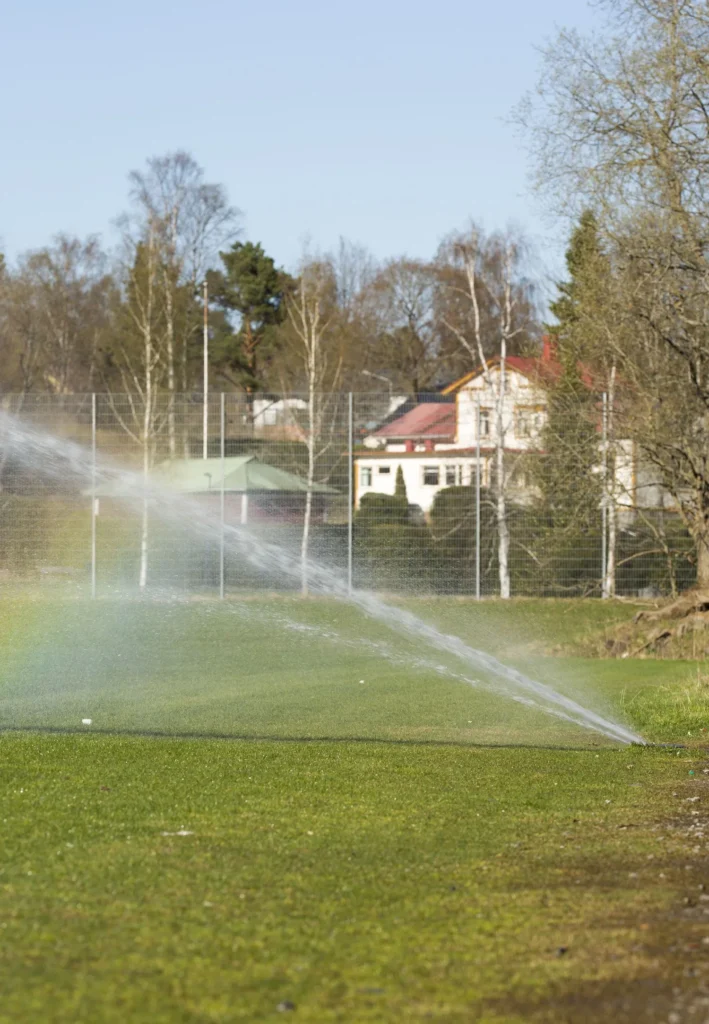
A sprinkler system should make your life easier—not drain your wallet while leaving dry patches in the yard. Whether you’re dealing with runoff on clay, uneven coverage, or an older system that’s just not keeping up, a thoughtful redesign can make a huge difference.
Weed Pro helps Atlanta and North Georgia homeowners:
- Measure pressure and flow correctly
- Redesign zones and hydrozones for turf, beds, and trees
- Choose efficient heads, smart controllers, and durable components
- Install and maintain systems for long-term performance and savings
Ready to upgrade your irrigation from “hit or miss” to smart and efficient? Contact Weed Pro today to request a sprinkler assessment and tailored design plan.
Frequently Asked Questions
Do you really need to measure PSI and GPM before designing a system?
Yes. Designing without pressure and flow measurements is like building a deck without knowing the lumber size—it leads to guesswork and problems later. PSI and GPM determine which heads you can use, how many go on a zone, and whether you need pressure regulation or other upgrades.
Can you mix different sprinkler head types on the same zone?
It’s not recommended. Different head types typically have different precipitation rates, so mixing rotors and sprays in a single zone almost always results in uneven watering. For best results, each zone should use the same head type and similar nozzle sizes so the whole area receives water uniformly.
Ready for the Next Step? Boost Lawn Nutrition Naturally
Once you’ve mastered sprinkler design, continue with “DIY Lawn Fertilization Tips for Homeowners: How to Feed Your Lawn Naturally and Effectively.” Learn how to apply nutrients safely, make simple homemade fertilizers, and avoid common DIY mistakes.